Army Secretary Dan Driscoll has forcefully pushed back against speculation about his departure, declaring he has no plans to resign from his post despite mounting tensions with Defense Secretary Pete Hegseth. The public statement comes amid reports that White House officials have been discussing Driscoll's future in the administration.
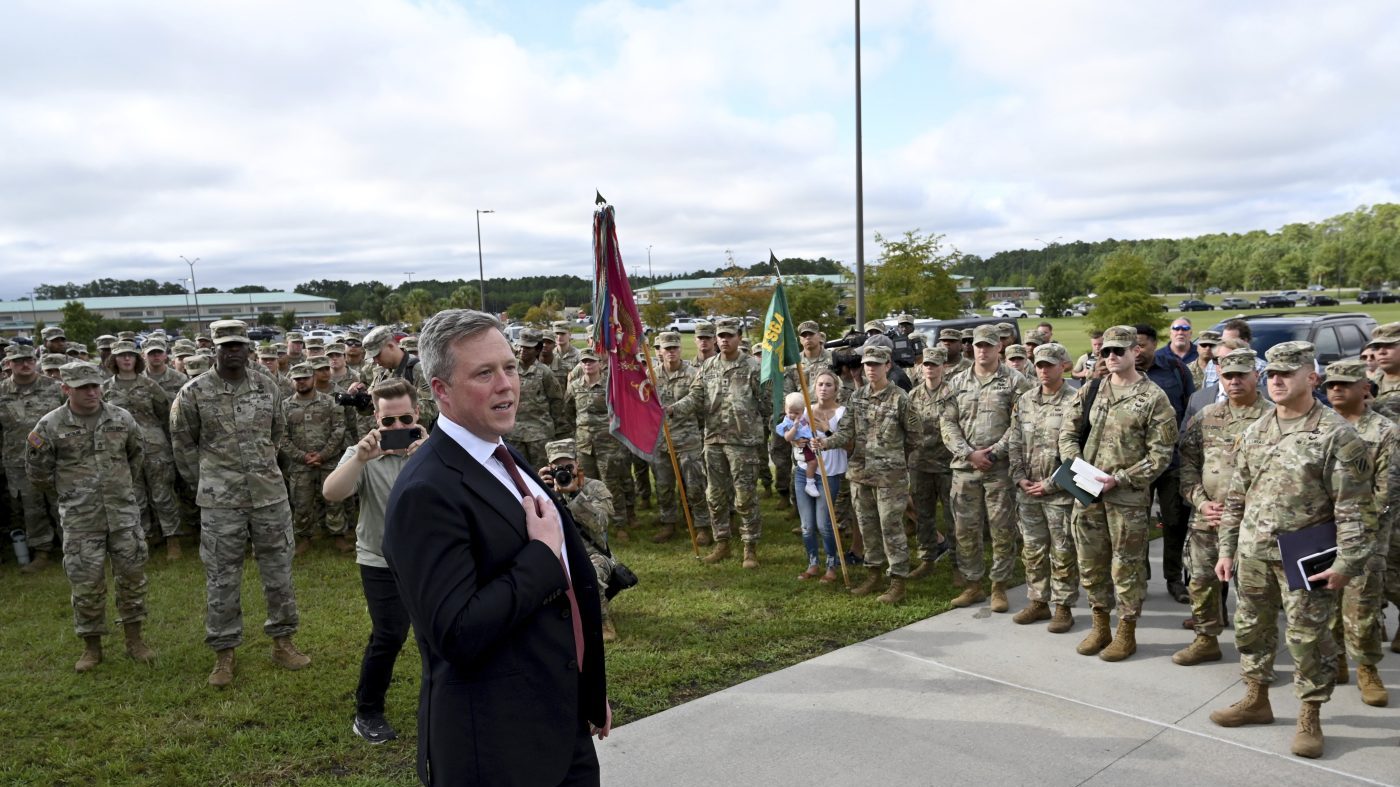
"Serving President Trump is the highest honor, and my complete focus remains on building the world's most formidable land combat force," Driscoll told The Hill. "I am not leaving my position as Secretary of the Army." Driscoll, a former Army officer with combat experience in Iraq, has held the role since February of last year and is known to be a close ally of Vice President J.D. Vance.

White House Discussions and a Key Ouster
The secretary's remarks follow internal conversations among some administration figures regarding his tenure. The friction escalated significantly after Hegseth removed Army Chief of Staff General Randy George, a seasoned leader with close ties to Driscoll. This move highlighted the deepening rift between the Pentagon's civilian leadership and the Army's top brass.
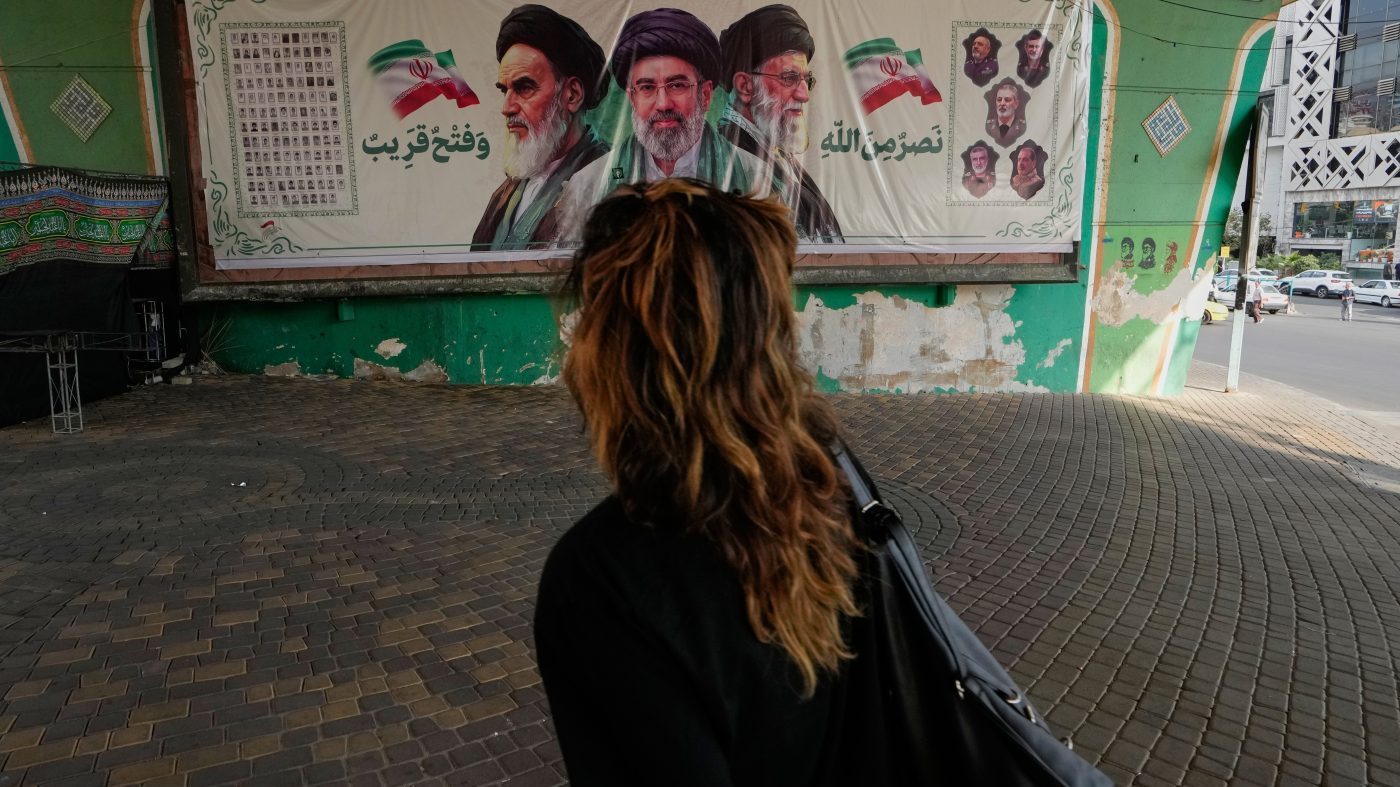
When questioned about Driscoll's standing, the White House offered praise for both officials. "President Trump has successfully refocused our military on readiness and combat power with leaders like Secretary Hegseth and Secretary Driscoll," stated White House spokesperson Anna Kelly. She pointed to the recent U.S. military campaign against Iran, dubbed Operation Epic Fury, as evidence of their effective leadership.
A History of Policy Clashes
The discord between Hegseth and Driscoll is not new, with disagreements spanning multiple issues. A primary point of contention has been the promotion and assignment of senior military officers. The conflict also extended to a specific disciplinary case, where Hegseth overruled the Army by reinstating a helicopter crew suspended for flying near musician Kid Rock's Tennessee property and terminating the service's investigation into the incident.
President Trump has offered public support for both men at different times. He previously commended Driscoll for advancements in drone warfare capabilities. More recently, he defended Hegseth's performance during the Iran conflict, suggesting initial critics had been won over. "People who fought against him now call to say what a great choice he was," Trump told reporters. This dynamic occurs as the administration faces other internal pressures, including impeachment articles filed against Hegseth by a congressional critic.
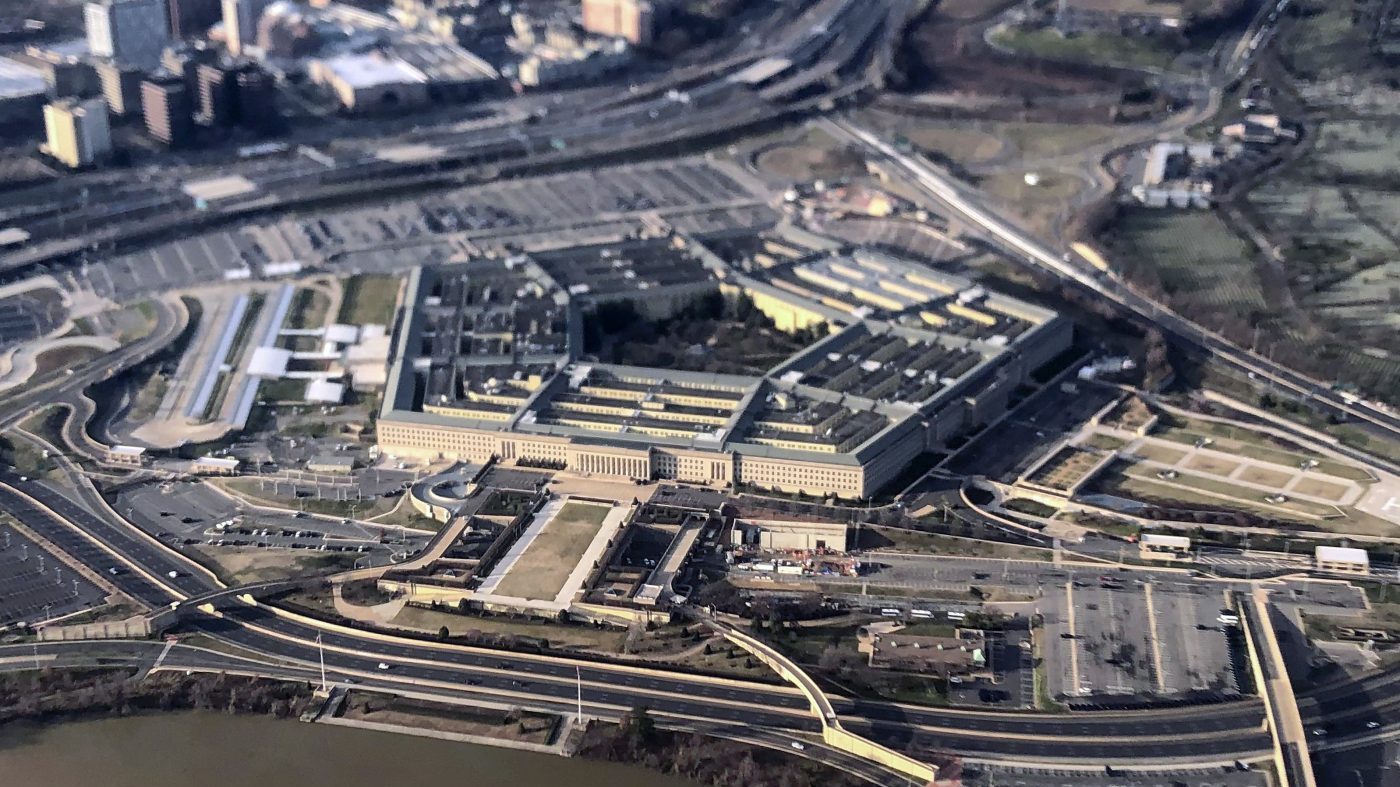
The situation reflects broader tensions within Trump's national security team, where forceful personalities and competing agendas often collide. Driscoll's insistence on staying put suggests he is prepared to continue navigating these challenges, even as his relationship with his direct superior remains strained. The episode underscores the ongoing controversy surrounding Hegseth's management of senior military personnel, a theme that has drawn condemnation from some lawmakers.
As the administration manages the aftermath of the Iran conflict and prepares for key briefings on the ceasefire, the stability of its defense leadership team remains a focal point. Driscoll's defiant statement aims to quell rumors of his imminent exit, but the underlying policy disagreements with the defense secretary are likely to persist, shaping key decisions on Army structure, procurement, and personnel for the foreseeable future.