The Trump administration's indictment of former Cuban President Raúl Castro, combined with escalating warnings from top officials about Cuba's military capabilities, has fueled fears that the White House is laying the groundwork for a military invasion of the island nation. Critics across the political spectrum say the administration's claims about Cuba's threat to U.S. security do not match reality.
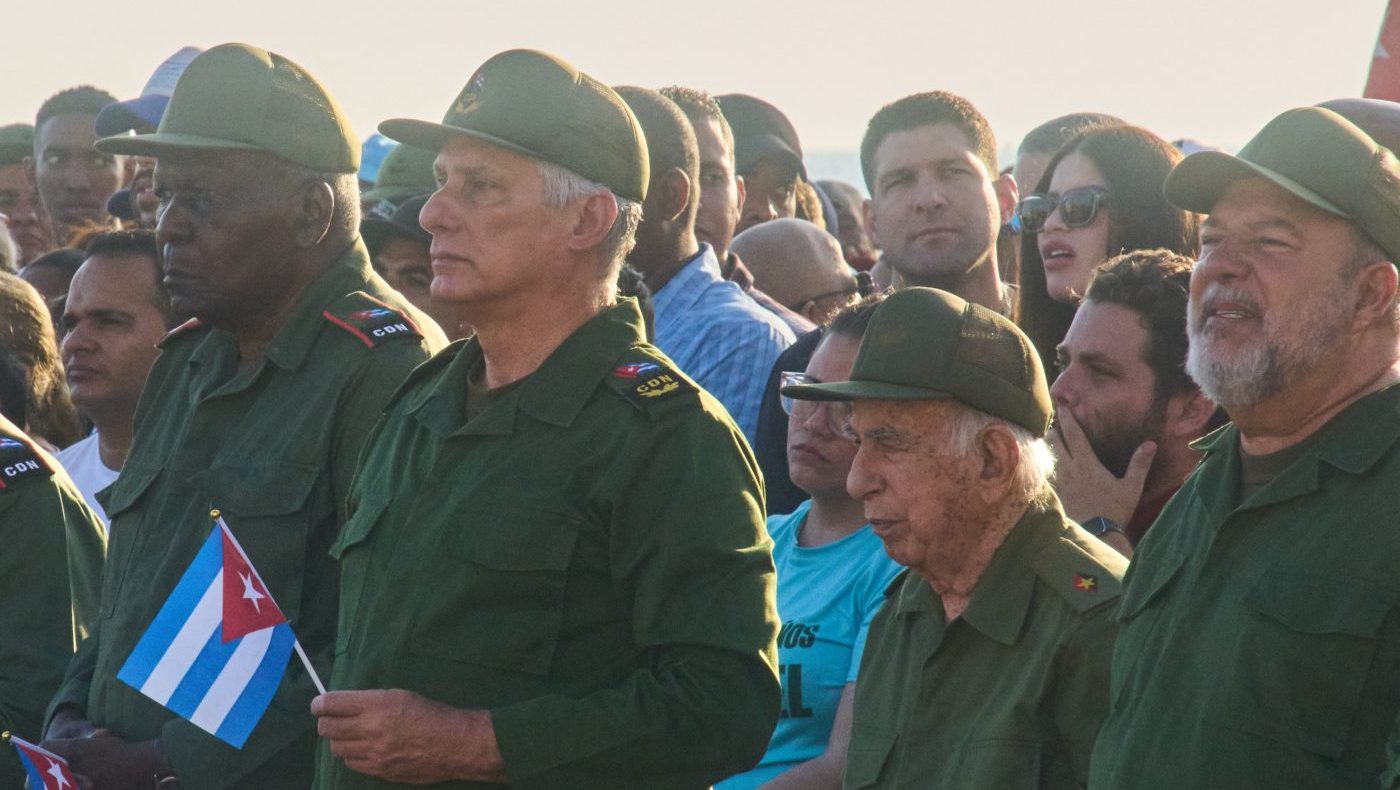
On Wednesday, which marked Cuba's Independence Day, federal prosecutors unsealed murder charges against Castro for his alleged role in the 1996 downing of civilian aircraft. Acting Attorney General Todd Blanche declared that Castro would be brought to court "by his own will or by another way," a statement that many interpreted as a veiled threat of forcible removal.
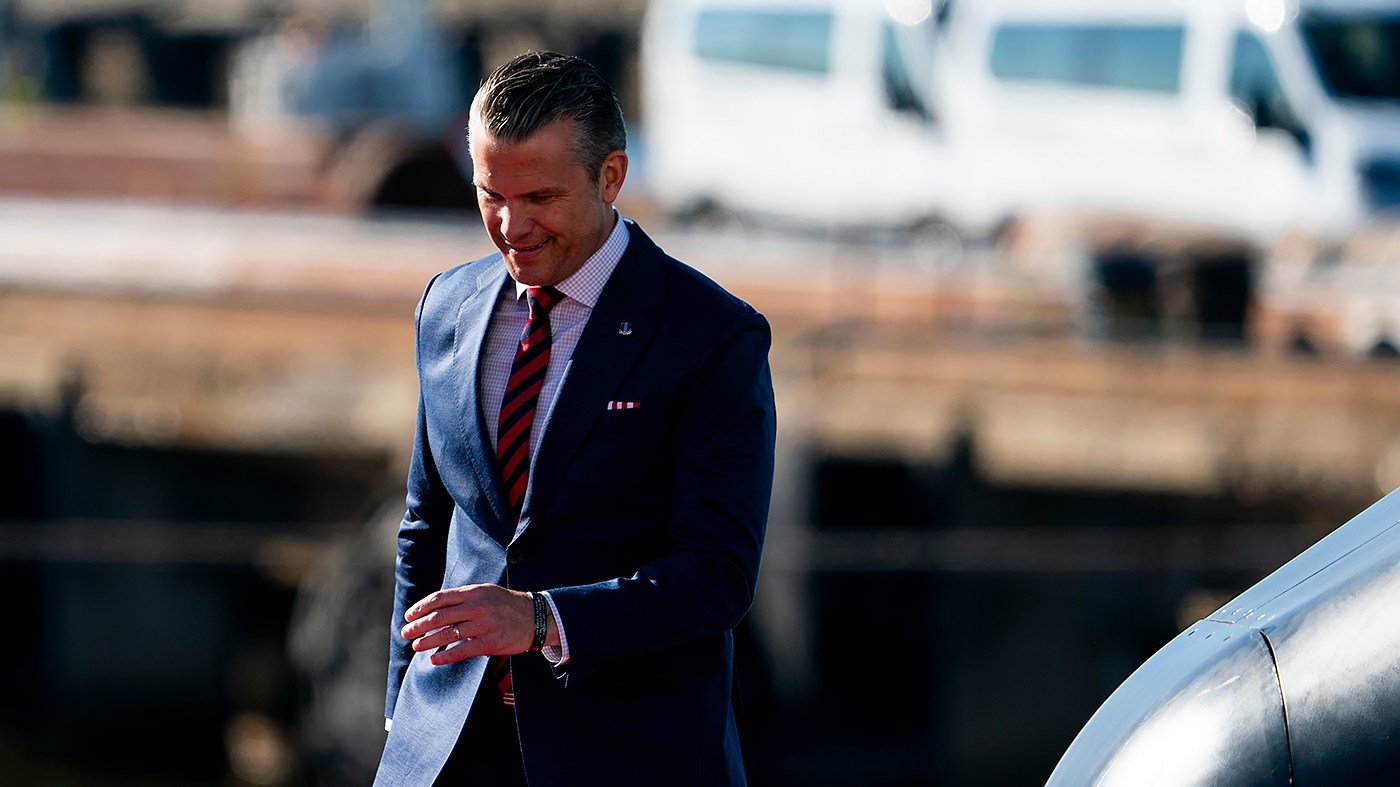
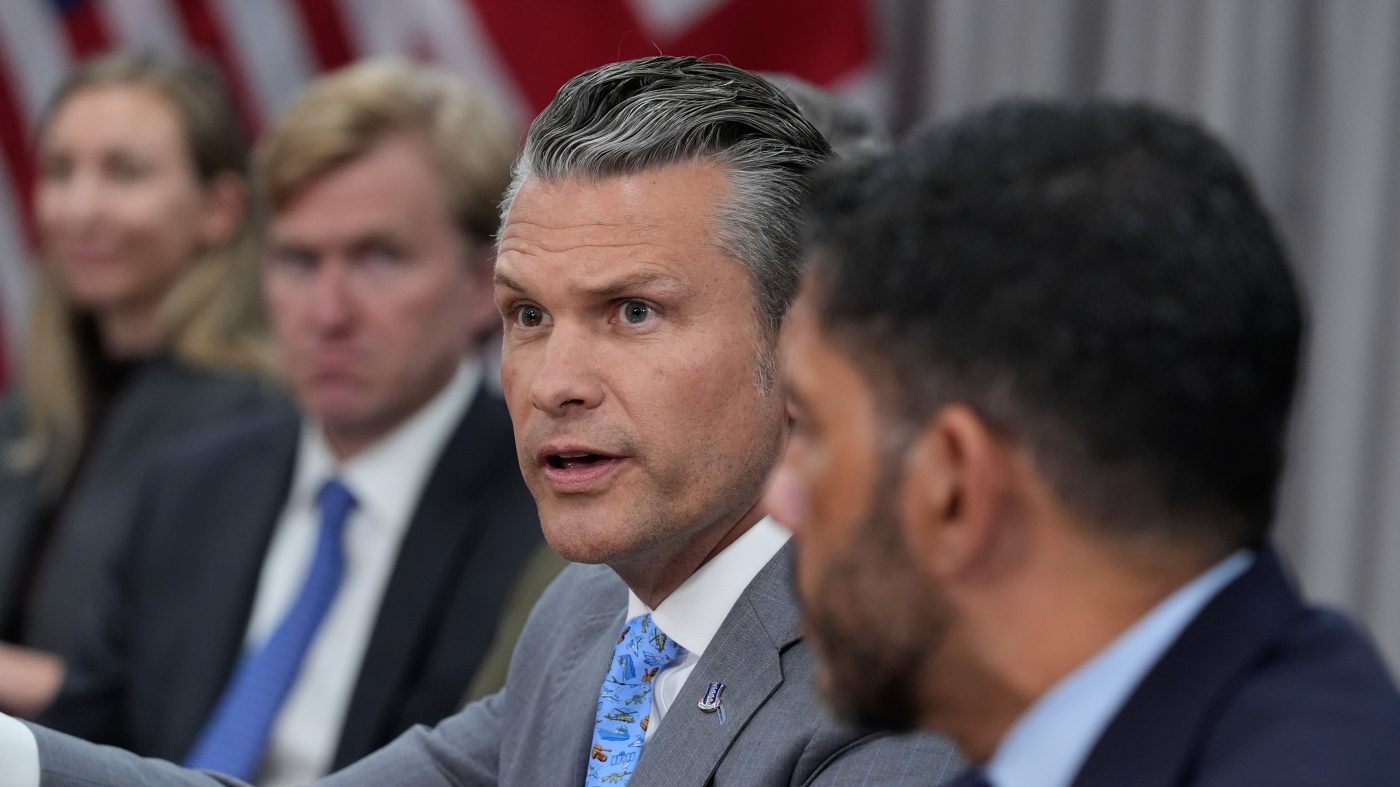
Secretary of State Marco Rubio amplified the administration's case on Thursday, telling reporters that Cuba "not only has weapons they've acquired from Russia and China, but they also host Russian and Chinese intelligence presence in their country." Rubio added that the island has "always posed a national security threat to the U.S." and is a "leading state sponsor of terror." He dismissed the possibility of a negotiated settlement, saying "the likelihood of that happening is not high."
But Cuba experts and lawmakers from both parties pushed back sharply. Rep. Jim Himes (D-Conn.), the top Democrat on the House Judiciary Committee, called the administration's logic "completely insane," arguing that Cuba poses no greater threat than Nicaragua. "It's just insane to say that it is, and especially if it's done in the service of military action," Himes said. "Cuba is not on the Top 10 list of anybody's national security threats."
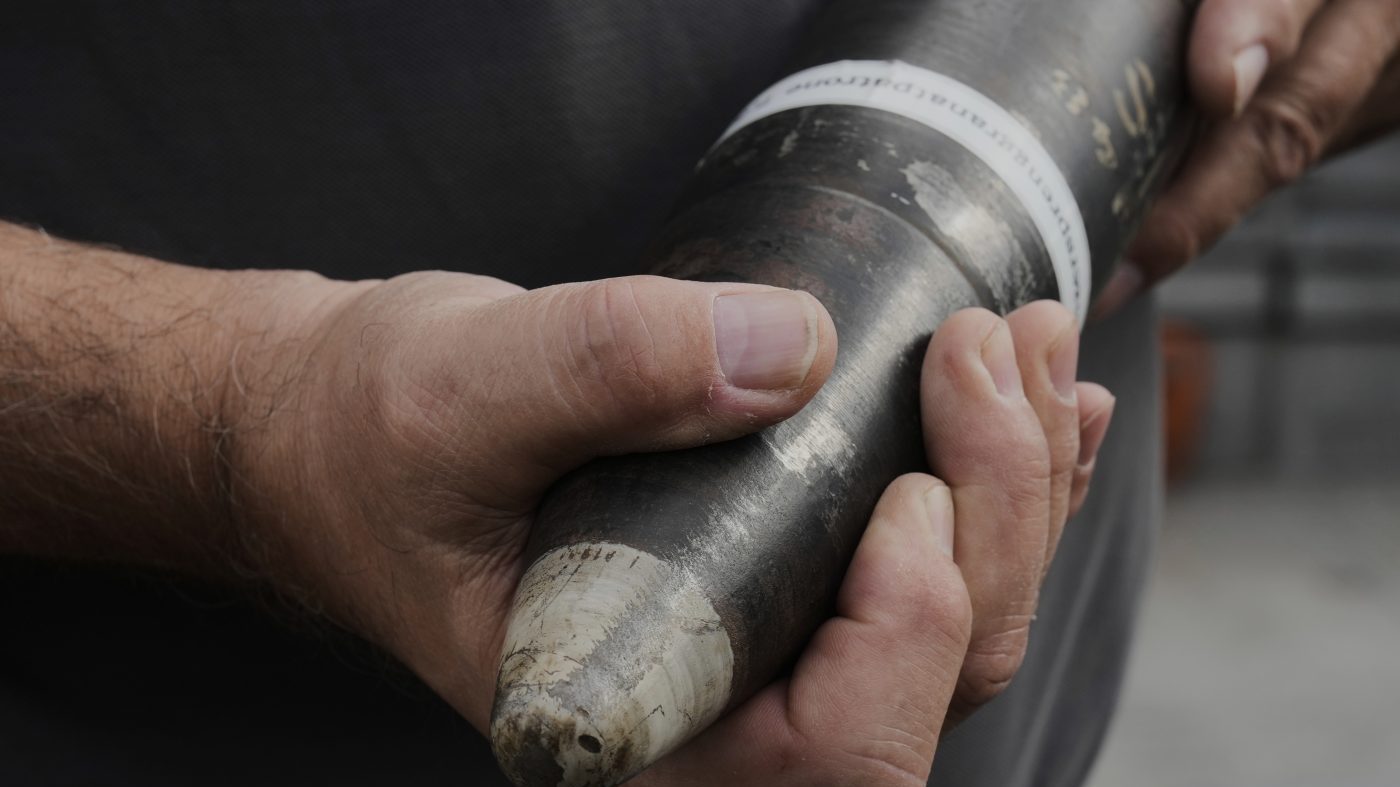
Cuban leaders have consistently denied any plans to attack the U.S. and have blamed Washington for an economic blockade that has crippled the country's fuel and electricity supplies. The administration has pointed to reports that Cuba acquired 300 military drones and discussed targeting the U.S. base at Guantánamo Bay or even Key West. CIA Director John Ratcliffe visited the island last week, and the agency warned that the window for negotiations "will not stay open indefinitely."
Fulton Armstrong, a former director of Inter-American affairs at the National Security Council under President Clinton, argued that the drone allegations are being mischaracterized. "None of us can claim to know details of Cuba's reaction to U.S. military attack, but Havana is most likely to use its resources cautiously and for maximum political benefit, not to go down in a flame of glory," Armstrong said. He called suggestions that Cuba would attack Guantánamo "a caricature of Cuban doctrine."
Democrats in Congress have been quick to accuse the administration of manufacturing a pretext for war. Rep. Pramila Jayapal (D-Wash.), who recently visited the island, said Cuba has been clear it does not intend to launch a first strike. "All of that I feel like is part of setting up their case," she said. Rep. Gregory Meeks (D-N.Y.) described the Castro indictment as "less like a pursuit of justice and more like a pretext for escalation, potentially even an illegal invasion of Cuba."
Rep. Delia Ramirez (D-Ill.) framed the administration's Cuba policy as part of a broader pattern of aggressive unilateralism. "When does it stop? First, Venezuela, now we're in Iran. He jokes about Canada, Greenland, and now he thinks he's just going to be able to change leadership in Cuba because he wants it," she said.
Cuba's top diplomat, Bruno Rodríguez, responded directly to Rubio, accusing him of lying "again to instigate a military aggression that would provoke the shedding of Cuban and American blood." Rodríguez insisted that "Cuba is not, nor has it ever been, a threat to the national security of the United States."
As the administration continues to escalate its rhetoric, critics warn that the combination of legal action, intelligence warnings, and public statements is creating a dangerous momentum toward military confrontation. The coming weeks could prove pivotal in determining whether the U.S. takes further steps against its long-time neighbor.