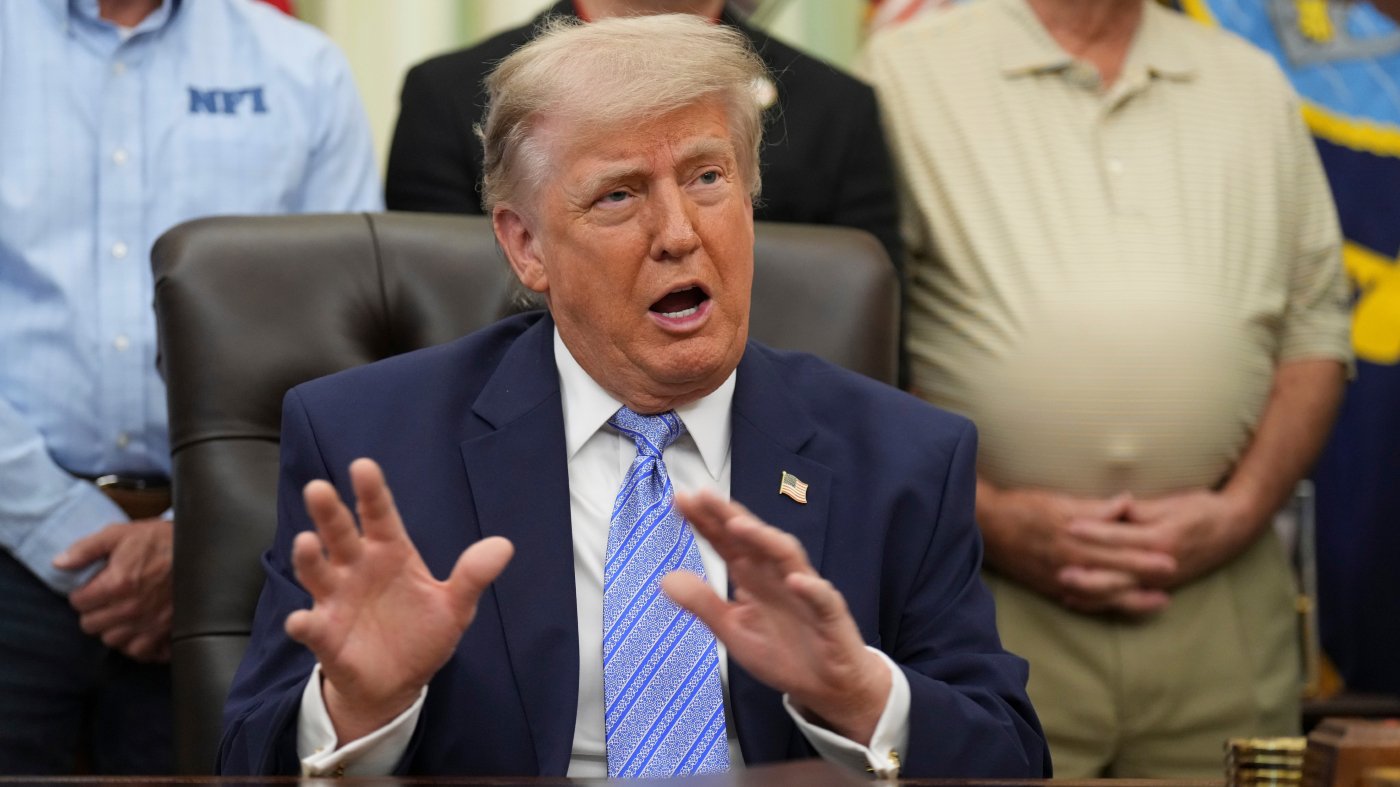
President Trump has intensified his campaign to purge Republican lawmakers he views as disloyal, recruiting primary challengers and using social media tirades to unseat incumbents—often over the objections of congressional leadership. The moves are reshaping the GOP ahead of November's midterms, with some party members warning that the strategy could backfire and make it harder for Trump to advance his agenda.
Primary Victories and Losses
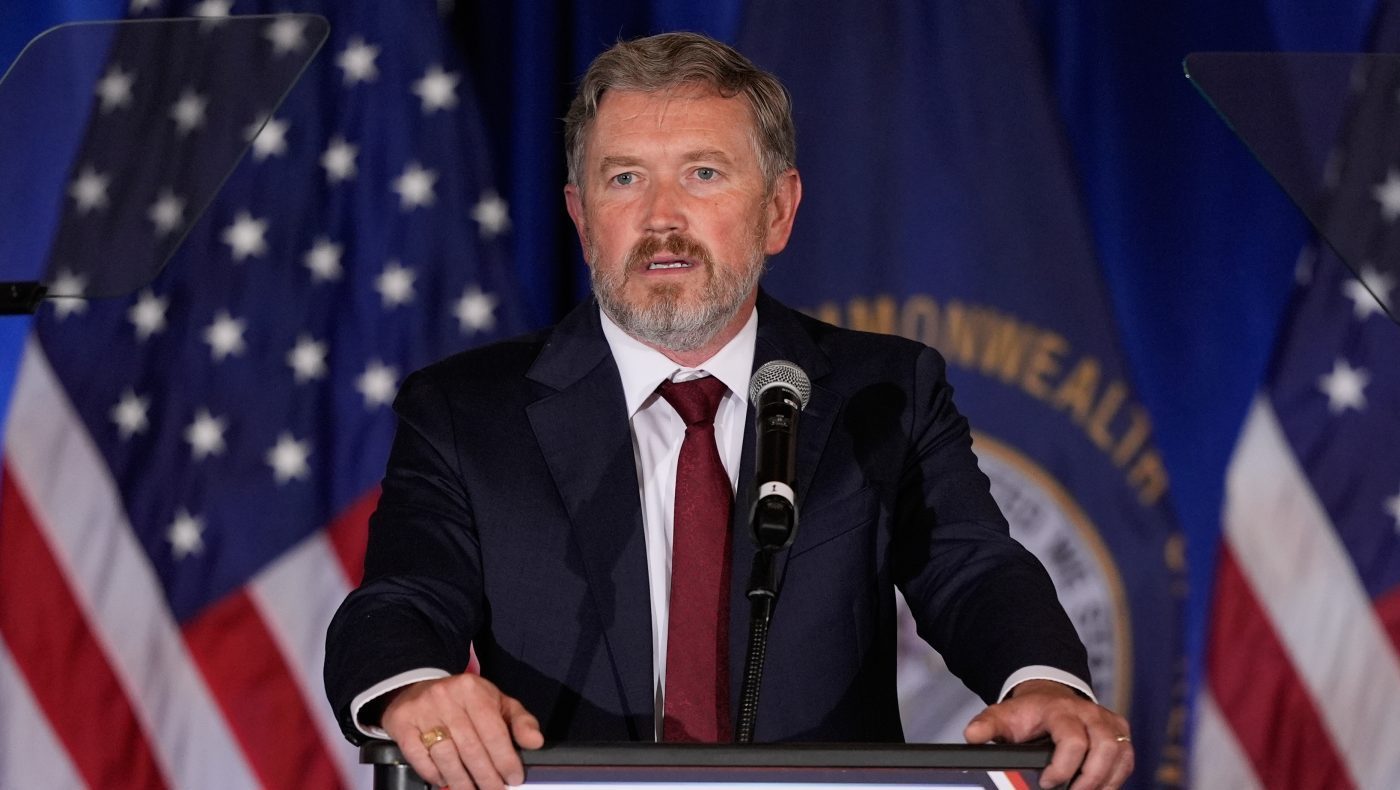
In Kentucky, Rep. Thomas Massie lost his primary to retired Navy SEAL Ed Gallrein, a Trump-backed challenger. Massie had clashed with Trump over the Iran war and the release of Jeffrey Epstein files. After his defeat, Massie warned of the “dangers of shrinking the tent” within the GOP, saying, “I think it was dangerous to pare the tree tonight.” He added that the party might struggle to maintain its House majority.
In Louisiana, Sen. Bill Cassidy finished third in his primary, failing to advance to a runoff despite recent efforts to align with Trump. The president had called Cassidy a “disloyal disaster” on Truth Social, referencing the senator's 2021 impeachment conviction vote. Cassidy responded by emphasizing loyalty to country and Constitution over individuals, a subtle jab at Trump's loyalty tests.
Texas and Indiana Battles
In Texas, Trump endorsed Attorney General Ken Paxton over incumbent Sen. John Cornyn in the upcoming runoff. Cornyn, who switched his stance on the filibuster to support Trump's “SAVE America Act,” now faces a tough challenge. He touted his 99% voting record with Trump and urged voters to choose a strong nominee to help down-ballot candidates.
In Indiana, Trump targeted state lawmakers who defied his demand to redraw congressional maps. He endorsed challengers for seven seats, ousting five in the primary. The president labeled the losers as “RINOS” on social media, a move that some analysts say risks party unity.
Broader Implications
The retribution campaign has drawn criticism from within the GOP. Sen. Tillis recently fired back at Trump, warning that “stupid stuff is killing our chances,” while Sen. Cruz cautioned that such feuds could endanger the Senate majority. The president's focus on loyalty may also complicate his ability to pass legislation, as purging moderates could reduce his coalition.
Critics have also noted the irony of Trump's approach, given his own history of demanding loyalty. The $1.8 billion 'anti-weaponization' fund has been described by some as a retribution tool, further fueling concerns about the president's tactics.
As the midterms approach, the GOP faces a delicate balance: satisfying Trump's base while maintaining enough seats to govern. The outcomes in Texas and other states will test whether the party can survive its leader's purge.