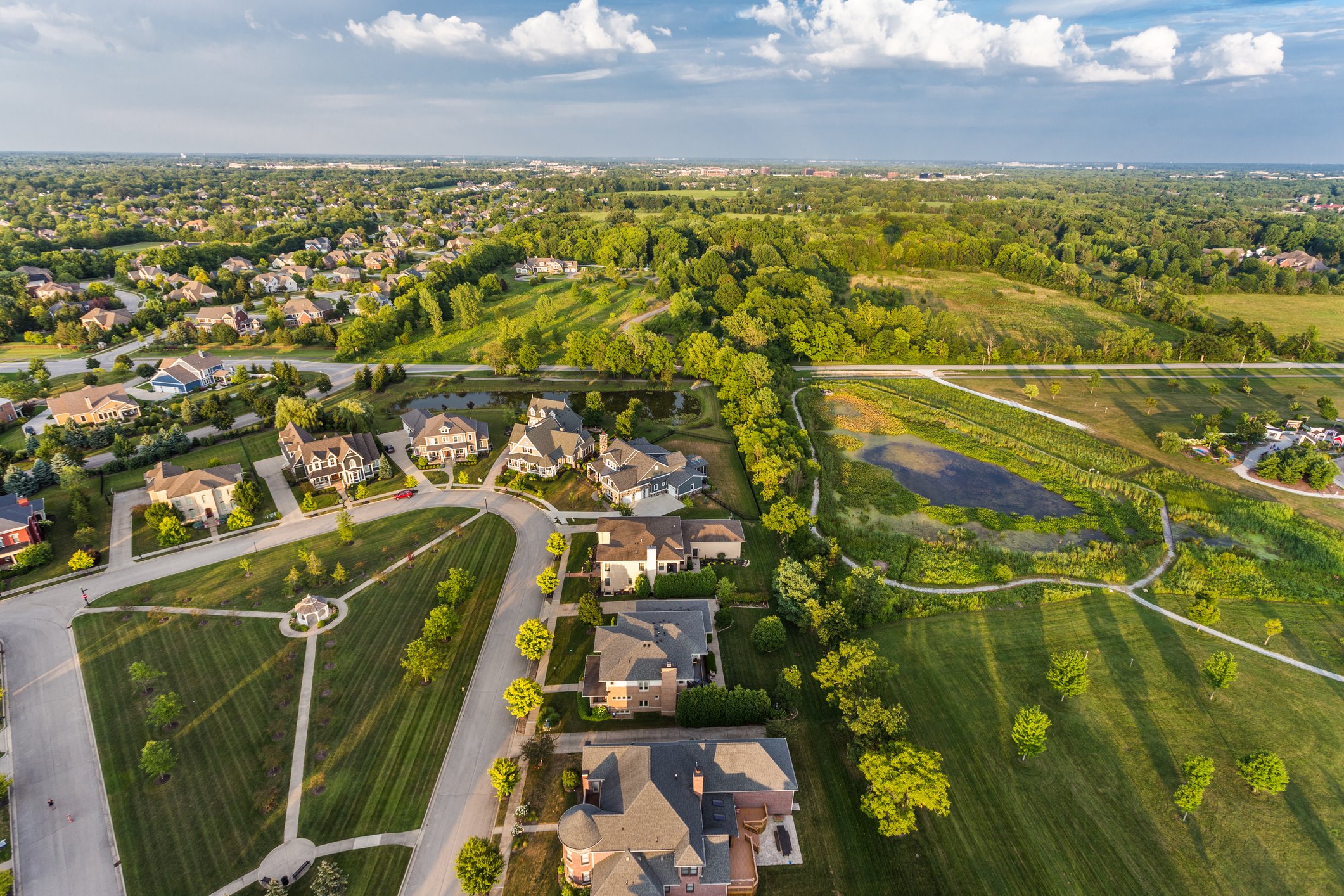
The latest U.S. News & World Report ranking of America's most livable cities is out, and the Midwest has swept the top spots. For the 2026-2027 edition, the suburban city of Carmel, Indiana claimed the No. 1 position, with neighboring Fishers, Indiana taking second place. This marks the first time two cities from the same state have topped the list in the report's history.
The rankings, which evaluated 250 locations across the country, weighed four key factors: affordability, desirability, job market strength, and quality of life. Analysts say the results reflect a growing preference for communities that offer economic opportunity without the soaring costs seen on the coasts.

“These cities offer residents a good quality of life without breaking the bank,” said Erika Giovanetti, a consumer lending analyst at U.S. News, in a statement accompanying the release. The report's methodology combines public data on housing costs, crime rates, education, and local amenities with surveys of what residents value most.
Carmel, a city of roughly 100,000 people just north of Indianapolis, has invested heavily in walkable neighborhoods, roundabouts, and arts infrastructure. Fishers, its neighbor, has similarly focused on tech job growth and public parks. Both communities have seen steady population increases as remote work enables Americans to leave expensive metro areas.
The dominance of Indiana towns is part of a broader trend: the top 10 includes several Midwest and Sun Belt cities, while traditional coastal powerhouses like New York, San Francisco, and Los Angeles fell far down the list. The shift mirrors recent migration patterns tracked by the Census Bureau, which show people moving from high-cost states to lower-cost ones.
For policymakers, the ranking underscores the importance of housing affordability and job creation as competitive advantages. States like Indiana have courted businesses with tax incentives and deregulation, while also funding local infrastructure improvements. The result, according to the report, is a cluster of communities that balance economic vitality with livability.
However, not everyone is convinced that such rankings capture the full picture. Critics argue that factors like climate resilience, social equity, and access to healthcare are underweighted. A separate study ranking the safest midsize U.S. cities found that crime and disaster risks vary widely even within top-ranked regions.
The U.S. News list is closely watched by real estate agents, economic developers, and families considering a move. With mortgage rates and inflation still squeezing household budgets, the emphasis on affordability is likely to resonate. “People want a place where their paycheck goes further,” Giovanetti added.
While the top two spots went to Indiana, other high-ranking cities included Ann Arbor, Michigan; Boulder, Colorado; and Raleigh, North Carolina. The full list of 250 places is available on the U.S. News website, broken down by metro area and state.
For now, the message from the rankings is clear: the heartland has become the new promised land for Americans seeking a better quality of life. As the 2026-2027 cycle unfolds, expect more attention on how smaller cities compete with traditional hubs—and whether the Midwest can sustain its momentum.