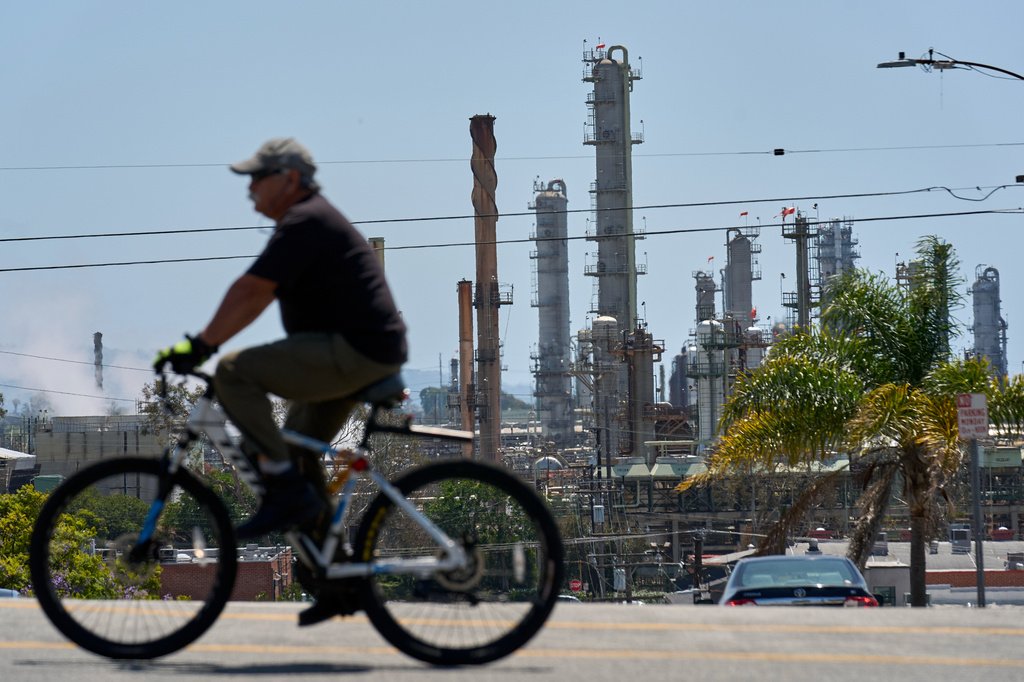
Congress is weighing a bill that would effectively shut down a wave of climate liability lawsuits targeting fossil fuel companies, arguing that holding firms retroactively accountable for decades of emissions is the wrong approach. The legislation, introduced by Rep. Harriet Hageman (R-Wyo.), would invalidate pending cases and bar future suits that seek to pin the costs of climate change on energy producers.
A Delicate Balance
Former Rep. Charles Melancon (D-La.), who served on the House Energy and Commerce Committee, acknowledged the tension between environmental protection and economic reliance on fossil fuels. “Americans deserve clean air, clean water, and responsible stewardship of the environment,” Melancon wrote, but he stressed that “so long as no laws were broken, companies should not be punished for doing what federal and state policy allow them to do.”

Melancon, whose district was a major energy hub, argued that the transition to cleaner energy is already underway, driven by technology, markets, and policy. He warned that using courts as a climate enforcer—especially retroactively—would backfire. “What will not work is turning the judiciary into a climate enforcer,” he said, “punishing energy companies when they broke no laws and provided a valuable resource that millions of Americans rely on.”
Economic Risks of Litigation
The former congressman pointed to data from the U.S. Energy Information Administration showing that fossil fuels still account for roughly 80% of total U.S. energy consumption, powering heating, electricity, trucking, farming, and manufacturing. He argued that rapidly squeezing fossil fuel production before affordable renewable infrastructure is in place would drive up energy prices, hitting working-class Americans hardest.
“Building large-scale renewable infrastructure requires enormous upfront investments in transmission lines, battery storage, grid modernization, and backup generation capacity,” Melancon noted. “Struggling communities cannot absorb all these costs overnight.”
Existing Laws, Not Patchwork Suits
Melancon emphasized that federal statutes like the Clean Air Act, Clean Water Act, and Superfund law already give regulators broad authority to penalize pollution and environmental negligence. “If a company lies to regulators, violates emissions standards, or causes unlawful environmental harm, the government has the power to investigate, fine, and prosecute those responsible,” he wrote.
He argued against replacing these targeted enforcement mechanisms with a patchwork of state lawsuits, which he said could discourage investment and make the energy transition more chaotic and expensive. “Congress is constitutionally responsible for setting national energy policy,” Melancon said, warning that conflicting liability standards from dozens of state courts would muddy the waters.
Political Consequences
Melancon cautioned that if climate policies become tied to economic pain—such as skyrocketing energy costs—the political backlash could set back conservation efforts for years. “If this transition is handled recklessly, energy and transportation costs could skyrocket at a time when many Americans are already financially vulnerable,” he wrote. He urged Congress to shape climate policy through transparent national legislation and regulation, not piecemeal litigation campaigns.
The debate comes as international pressure mounts, with the UN recently adopting a climate responsibility resolution that the U.S. voted against alongside Russia and Iran. Meanwhile, soaring energy prices have driven some nations back to coal, raising questions about the pace and fairness of the global transition.
Melancon concluded: “This is not about protecting polluters from accountability. It’s about making sure America can pursue meaningful environmental progress without sacrificing affordability, energy reliability, or the public support necessary to sustain real long-term change.”