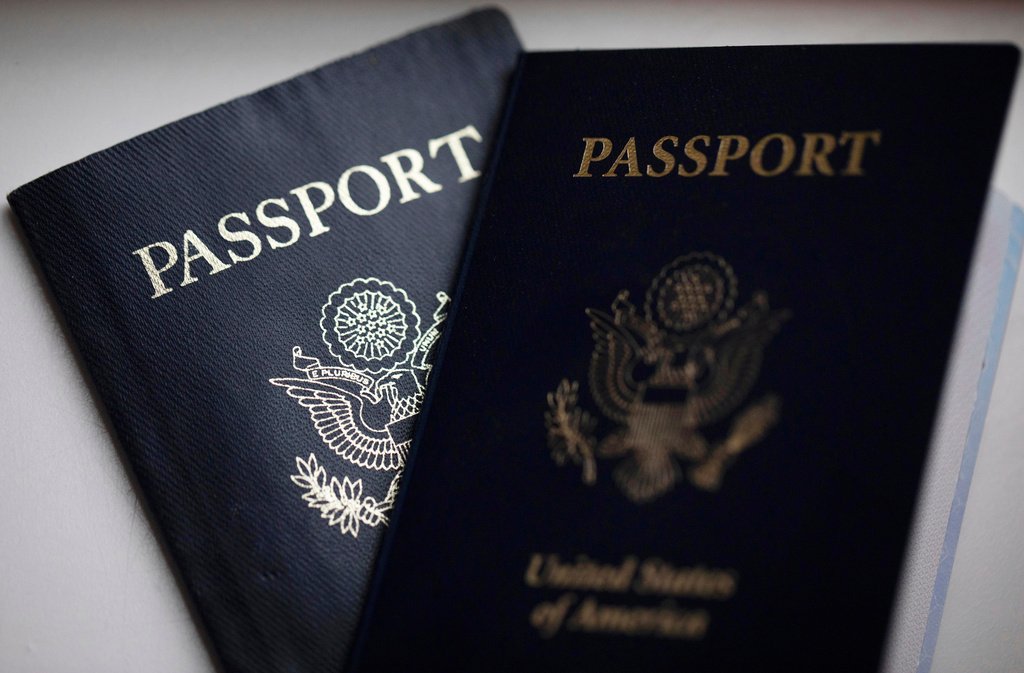
The State Department has announced a sweeping new policy to revoke passports from Americans carrying child support debt, a move that critics argue is a punitive and outdated approach that will ultimately harm children rather than help them. Starting May 8, passport holders who owe $100,000 or more in unpaid child support will lose their travel documents, with the threshold soon dropping to $2,500. The vast majority of those affected are fathers, many of whom are low-income or Black, according to advocates.
Supporters frame the policy as a crackdown on so-called deadbeats who dodge their responsibilities. But two experts with a combined half-century of experience in child support policy argue that this caricature is both politically convenient and deeply misleading. In reality, most child support debt belongs to fathers who are unable to pay, not unwilling. These fathers often love their children and want to support them, but face barriers like unemployment, incarceration, housing instability, and health issues that make payments impossible.

How Debt Spirals Out of Control
The child support system itself can drive debt to insurmountable levels. Courts often base orders on imputed income—what they think a parent should earn—rather than actual earnings, ignoring the precarious reality of low-wage work. States also charge interest on past-due support, ranging from 4% to 12%, and can add costs for public assistance like TANF cash payments or Medicaid-funded births. This means even a modest monthly order can balloon into tens of thousands of dollars in arrears, making the $2,500 threshold easy to cross.
Past punitive measures—such as suspending driver's licenses, levying liens on property, or even jailing parents—have not increased child support payments. Instead, they create additional barriers to employment and strain family relationships, undermining fathers' ability to provide both financial and emotional support. The new passport revocation policy follows the same flawed logic, experts say.
A Better Path Forward
Rather than expand enforcement, the child support system should shift toward supporting families. Pilot programs, like a five-year federal grant to Fathers Incorporated in Atlanta and 48 other grantees, offer a model: they provide job training, relationship counseling, and economic stability services to help fathers meet their obligations. Research shows that when fathers feel seen as human, not as villains, they are more likely to engage with their children and make consistent payments.
The policy also raises practical concerns. Passports are not just for travel; they serve as a primary form of identification and proof of citizenship. Revoking them can trap fathers in a cycle of poverty, making it harder to find work or access services. Meanwhile, the federal government's coordination between the State Department and Health and Human Services—similar to recent efforts like HHS deploying ChatGPT to hunt Medicaid fraud—signals a broader trend of using technology and interagency action to enforce debt collection, but without addressing root causes.
More than half of parents legally obligated to pay child support owe $2,500 or more, according to research. Instead of revoking their passports, the government should invest in understanding their stories and pairing support with accountability. As one expert put it, “We should learn their stories and pair support and accountability to empower them to meet the needs of their families.”
This debate comes amid broader political battles over family policy and federal enforcement. While some states are pushing back on federal overreach in other areas—like the bipartisan coalition of 30+ states demanding a breakup of Live Nation-Ticketmaster—the child support passport policy has not faced similar legal challenges yet. But the criticism from experts and advocates suggests it may be only a matter of time before the issue lands in court.