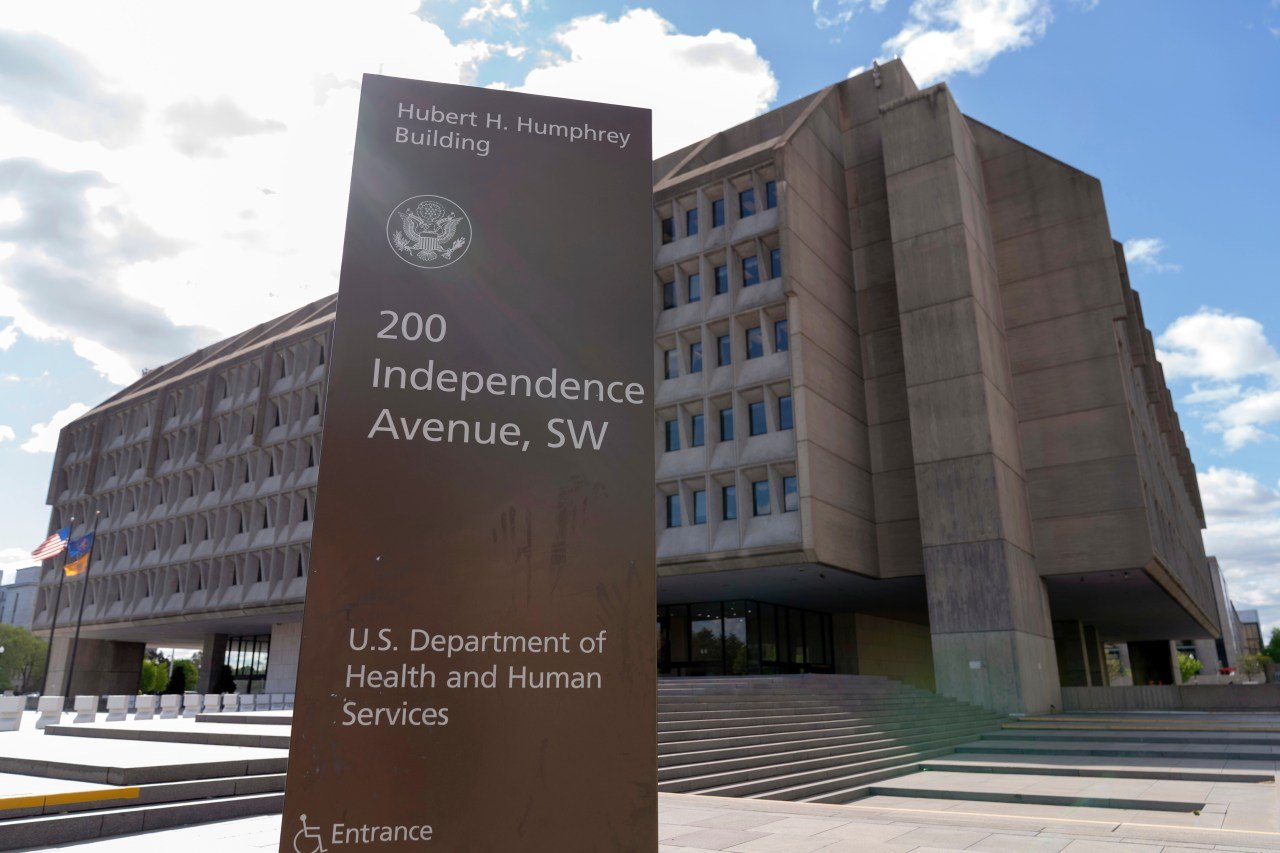
The Department of Health and Human Services announced Thursday it is dramatically expanding its use of artificial intelligence to scrutinize how states and other federal health fund recipients audit their programs, a move aimed at curbing fraud and cutting costs.
Gustav Chiarello, HHS assistant secretary for financial resources, said the agency will deploy ChatGPT and other AI tools to continuously analyze audit reports from all 50 states. “It’s classic big government: Everyone files an audit and it lands with a thud and no one does anything about it,” Chiarello told the Associated Press. “Here, with AI, we’re able to dig into it.”

The initiative builds on the administration’s broader embrace of generative AI for tasks including reviewing state Medicaid programs, automating administrative work, and editing text. While AI can efficiently flag patterns or problems across large documents, critics caution that the technology is prone to errors and may embed unintended biases.
The Trump administration and Vice President JD Vance’s anti-fraud task force have made cracking down on fraud in Medicare, Medicaid, and student loan programs a priority. FTC Chairman Andrew Ferguson recently told Fox News that AI tools are being used to flag likely fraud across these areas.
States, local governments, nonprofits, and higher education institutions that spend at least $1 million in federal money annually are required to submit audits. The new HHS initiative will focus on programs it funds, including state Medicaid and federal grantees in research and addiction services. Chiarello warned that recipients failing to file required reports or resolve identified issues could face funding cuts.
Critics have blasted the administration’s anti-fraud efforts, noting they have often targeted Democratic states and at times appeared to prioritize attacking first over gathering facts. In one instance, the administration acknowledged to the AP it had used flawed data to justify a New York Medicaid fraud investigation. Rob Weissman, co-president of Public Citizen, said he doubts the administration is seriously focused on fraud and questioned whether AI tools would be used fairly. “The AI is kind of beside the point when you assess what their actual objectives are, rather than what they pretend they are,” he said.
HHS has sent letters to governors and treasurers in all 50 states notifying them of the new initiative. “This letter serves as your formal notification that HHS will no longer treat chronic audit noncompliance, repeat deficiencies, material weaknesses, or delinquent audit obligations as matters that may remain unresolved through indefinite informal follow-up,” one letter read.
Chiarello said he is coordinating with other federal departments to encourage them to adopt similar AI tools. “It would be fairly easy for the other agencies to use our technology and jump on it,” he said. The expansion comes amid ongoing friction between the administration and some GOP lawmakers over other spending priorities, including a $1.8 billion anti-weaponization fund that sparked a revolt among Senate Republicans.
As the administration ramps up its use of AI, the debate over its reliability and partisan application is likely to intensify. For now, HHS is betting that machine analysis can do what human oversight has not: ensure that federal health dollars are spent as intended.