President Donald Trump is pushing back against a growing revolt among Senate Republicans over his administration's creation of a nearly $1.8 billion compensation fund, which critics—including some in his own party—have derided as an unprecedented slush fund. The dispute has delayed votes on a key reconciliation package and exposed rare fissures between the White House and typically compliant GOP lawmakers.
The fund, officially dubbed the “Anti-Weaponization Fund,” stems from a legal settlement between Trump and the Internal Revenue Service. In exchange for dropping a $10 billion lawsuit over leaked tax returns and withdrawing claims related to the 2022 Mar-a-Lago raid and the Russia investigation, Trump secured the fund’s creation. The IRS is also permanently barred from auditing Trump’s prior returns or pursuing certain claims against him, his family, or his businesses, according to a memo from acting Attorney General Todd Blanche.
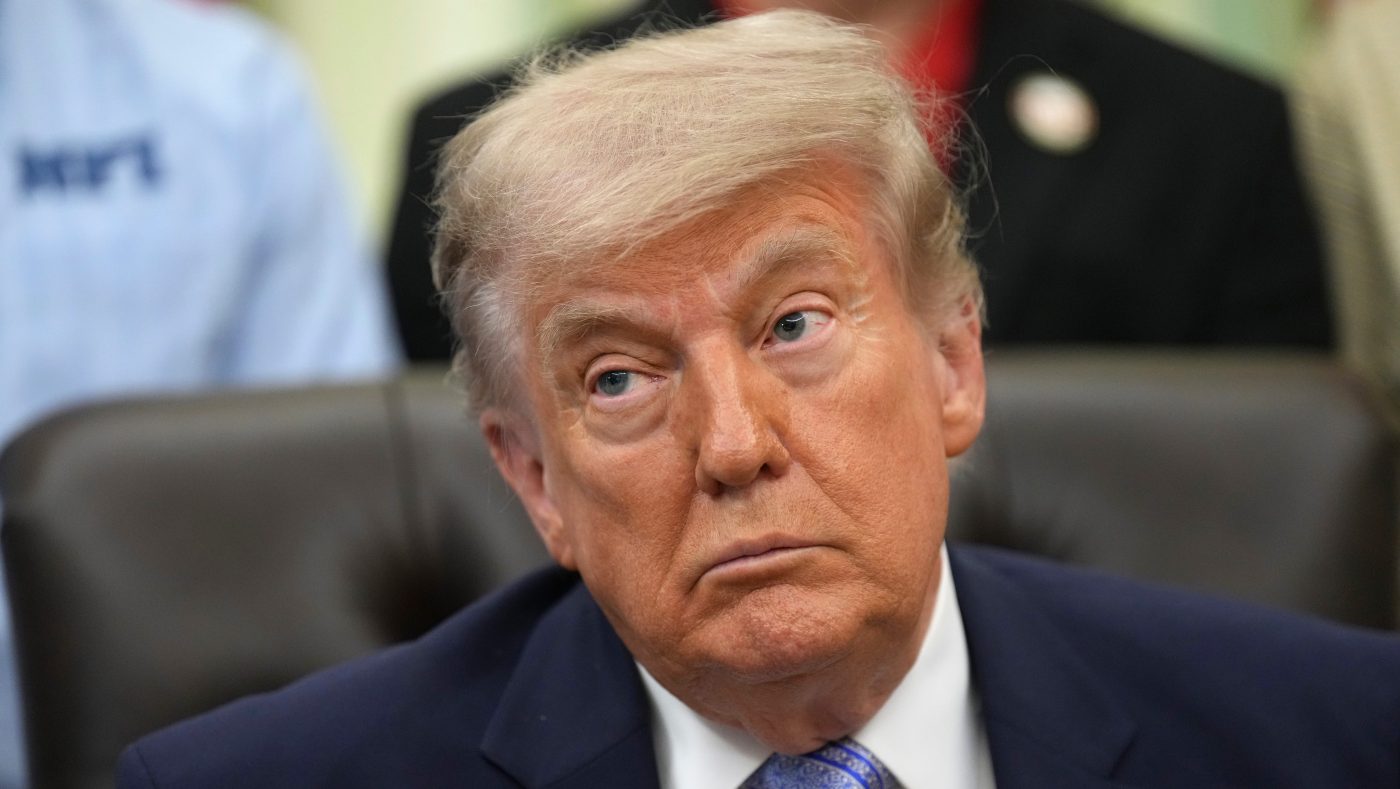
Trump defended the arrangement on Truth Social, writing, “I gave up a lot of money in allowing the just announced Anti-Weaponization Fund to go forward. Instead, I am helping others, who were so badly abused by an evil, corrupt, and weaponized Biden Administration, receive, at long last, JUSTICE!” The fund is designed to issue “formal apologies” and monetary payments to individuals claiming they suffered “weaponization and lawfare” by the federal government, though officials have not clearly defined eligibility.
Sen. Rand Paul (R-Ky.) voiced sharp criticism, telling The Hill, “It’s unprecedented for someone to be on both sides of a legal decision, where you make a plea bargain with yourself, essentially.” Other Republicans worry the fund could be used to compensate individuals involved in the January 6, 2021, Capitol attack. Former Senate GOP Leader Mitch McConnell (R-Ky.) issued a statement after meeting with Blanche, saying, “The nation’s top law enforcement official is asking for a slush fund to pay people who assault cops? Utterly stupid, morally wrong—Take your pick.”
Blanche told senators that “anybody in this country can apply” for compensation, a green light already taken by several high-profile figures. Marc Caputo, a former Trump administration spokesperson, filed the first known claim seeking $2.7 million, citing grievances with the Biden administration. Others angling for funds include MyPillow CEO Mike Lindell, former Proud Boys leader Enrique Tarrio, and ex-CNN correspondent Jim Acosta.
Democrats have seized on the controversy, with Rep. Jamie Raskin (D-Md.) accusing Trump of trying to “commandeer nearly $1.8 billion in taxpayer funds to bankroll a slush fund for January 6 cop-beaters and aggrieved MAGA foot soldiers.” The fund is expected to become a campaign issue in the upcoming midterm elections.
Sen. Thom Tillis (R-N.C.), a retiring lawmaker who has occasionally defied Trump, called the fund “stupid on stilts” and said, “When you take money from me to give to a purpose that I vehemently disagree with, that’s tyranny.” Trump fired back on Truth Social, labeling Tillis a “Nitpicker” and a “QUITTER,” and accusing him of “screwing the Republican Party.”
The standoff has highlighted broader tensions within the GOP, with some lawmakers urging colleagues to speak out. For more on the internal party dynamics, read our piece on Tillis blasting Trump's fund and urging GOP to speak out. Meanwhile, the reconciliation package delay underscores how the fund is reshaping the legislative agenda, as detailed in our report on the GOP revolt derailing the immigration bill.
Legal experts have raised constitutional questions about the fund’s structure, and the lack of clear criteria for claimants has fueled bipartisan criticism. As the midterm campaign season heats up, the fund is likely to remain a flashpoint, testing the limits of Trump’s influence over a restive party.