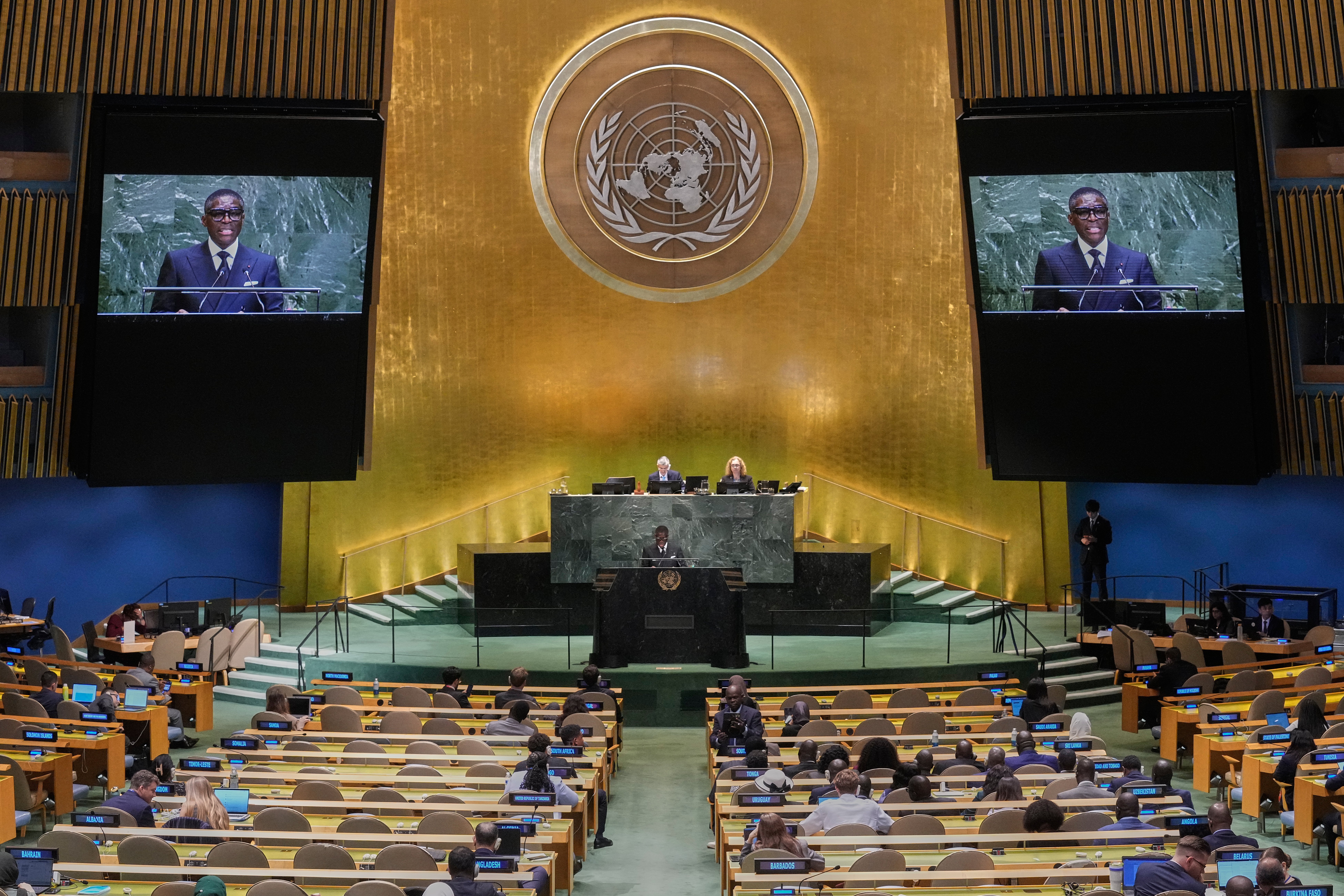
The United Nations General Assembly voted overwhelmingly this week to affirm that nations bear a legal responsibility to safeguard their populations from climate change, but the United States stood among a small minority of member states that opposed the measure.
The resolution, introduced by the Pacific island nation of Vanuatu, calls on countries to take concrete steps to avert severe climate and environmental harm, including curbing emissions within their own borders. It also urges nations to follow through on their existing climate pledges. The final tally was 141 in favor, 8 against, with 28 abstentions.
Voting against the resolution were the United States, Belarus, Iran, Israel, Liberia, Russia, Saudi Arabia, and Yemen. The lopsided vote underscores the isolation of the U.S. position on a matter that much of the international community views as a pressing global obligation.
The resolution follows a landmark ruling last year by the International Court of Justice, which determined that states have a duty to protect the environment from greenhouse gas emissions. While the UN has characterized that ruling as non-binding, it noted that such opinions can help “clarify and develop international law by defining States’ legal obligations.”
The U.S. Mission to the UN defended its opposition, arguing in a post on X that the resolution was an “effort to rewrite international law to attack American energy.” The mission claimed that U.S. negotiators succeeded in diluting the measure, though Washington still found it unacceptable.
“For example, the final version removed a devastating registry of damages aimed at ‘climate reparations’ to allow the world to fine Americans for our energy usage. We cut the resolution’s overly broad language that would ban certain kinds of energy over time,” the mission stated. It added, “What the General Assembly wound up passing was a mandate for a new report from the Secretary General, but one that requires American input. We still opposed that (we don’t need another UN report) but thanks to our efforts, American energy workers won’t have to fear for their jobs because of this resolution.”
UN Secretary-General António Guterres welcomed the resolution’s passage, praising it in a post on X as “a powerful affirmation of international law, climate justice, science & the responsibility of states to protect people from the escalating climate crisis.”
The vote comes amid broader debates over international climate obligations and the role of legal frameworks in driving emissions reductions. While the resolution is non-binding, it adds political weight to efforts to hold countries accountable for their climate impacts. The U.S. opposition aligns with previous Trump administration stances, though the Biden administration has also faced criticism for its own climate record.
In related developments, the Trump administration has tightened sanctions on Iran and targeted its currency exchange and shadow fleet, while also ramping up pressure on Cuba with sanctions and indictments. Meanwhile, soaring gas prices have driven some ASEAN nations back to coal, effectively scrapping their earlier climate pledges.
The resolution’s passage highlights the growing divide between the U.S. and much of the world on climate accountability, even as scientific warnings about the pace of global warming intensify.