Patrick De Haan, head of petroleum analysis at GasBuddy, warned Wednesday that American drivers could see a sharp increase in gas prices next week if the Trump administration fails to secure a deal with Iran to reopen the Strait of Hormuz. The warning comes as millions of Americans prepare for Memorial Day travel, with gas prices already at their highest for the holiday weekend in four years.
In a post on the social platform X, De Haan said that while prices might dip slightly over the holiday weekend as stations sell through existing fuel supplies, any relief would be temporary. “Barring a sudden shift in the Iran situation,” he wrote, a reopening of the strait could provide “relief that could be somewhat quick.” However, he cautioned that if the current impasse continues, prices will likely rebound sharply next week.
De Haan also noted that President Trump’s recent comments suggesting the Iran talks are in their final stages have already pushed oil, gasoline, diesel, and jet fuel prices downward. “Trump says Iran talks in final stages, pushing oil, gasoline, diesel and jet fuel prices to plummet,” he wrote in a separate post. “But if this is another hope that doesn’t translate into a reopening of the strait, prices will likely surge again next week.”
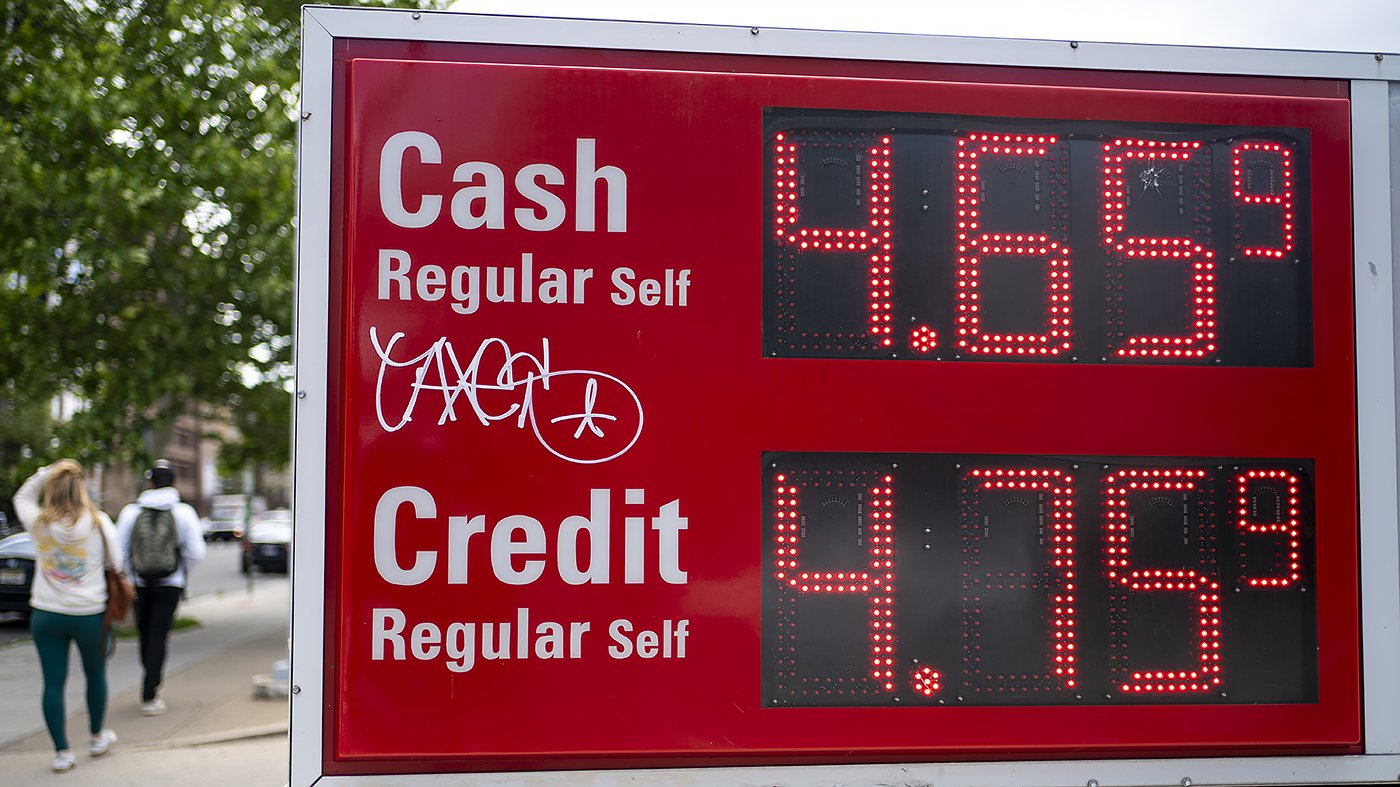
The stakes are high for American consumers. AAA projects a record 3.91 million travelers will hit the road this Memorial Day weekend, with the national average for gas at $4.56 per gallon—3 cents higher than last week and $1.38 more than the same weekend a year ago. The ongoing conflict with Iran has already disrupted global energy markets, contributing to inflation and rising energy costs in the U.S. As gas prices have hit record highs amid the crisis, the closure of the Strait of Hormuz remains a key driver of volatility.
De Haan told Reuters that the strait’s closure is at the center of “the most volatile summer at the pump in years.” He warned that even if the strait reopens, Americans will pay billions more for summer travel, and prices may not fully recover for a year or longer.
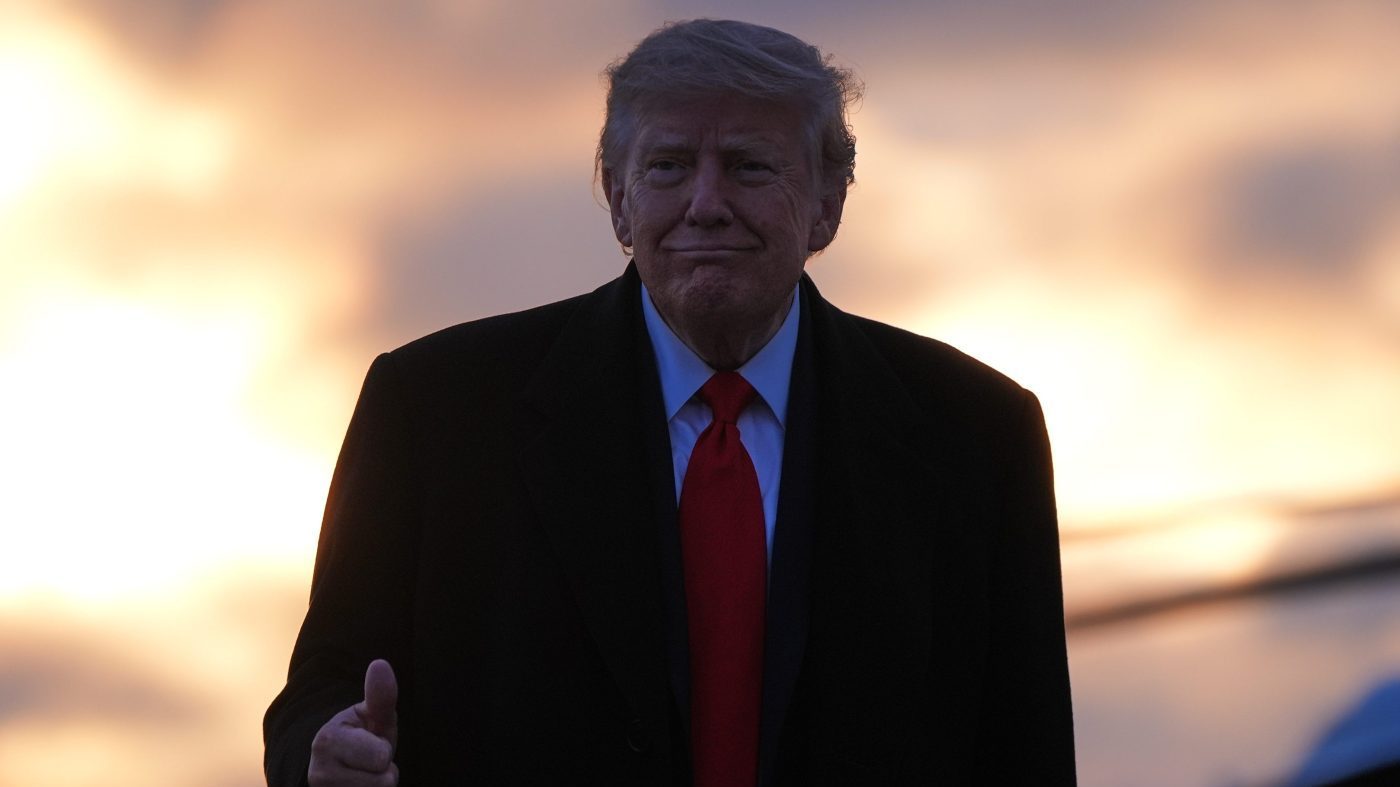
President Trump said Tuesday he hopes to end the conflict with Iran “very quickly,” but his tone has shifted. On Wednesday, he told reporters at Joint Base Andrews, “I’m in no hurry. Everyone is saying, ‘The midterms, I’m in a hurry.’ I’m in no hurry. Ideally, I’d like to see few people killed as opposed to a lot. We could do it either way.” The president had earlier this week claimed he was set to attack Iran but held off after a request from the leaders of Qatar, Saudi Arabia, and the United Arab Emirates.
On Capitol Hill, lawmakers are pushing for a diplomatic off-ramp. Sen. Bill Cassidy (R-La.), fresh from losing his bid for a third term in Saturday’s Louisiana Senate Republican primary, joined three other Senate Republicans on Tuesday in backing a motion to discharge a war powers resolution that would direct Trump to withdraw U.S. forces from Iran. The 50-47 vote sets up a future floor vote on the measure. The bipartisan effort reflects growing unease over the administration’s strategy, even as the Iran conflict continues to disrupt oil flow and push prices higher nationwide.
If no deal is reached, analysts warn that the price at the pump could become a defining political issue heading into the midterms. For now, drivers are left hoping that the administration’s talk of a breakthrough translates into action—before next week’s expected price spike becomes reality.