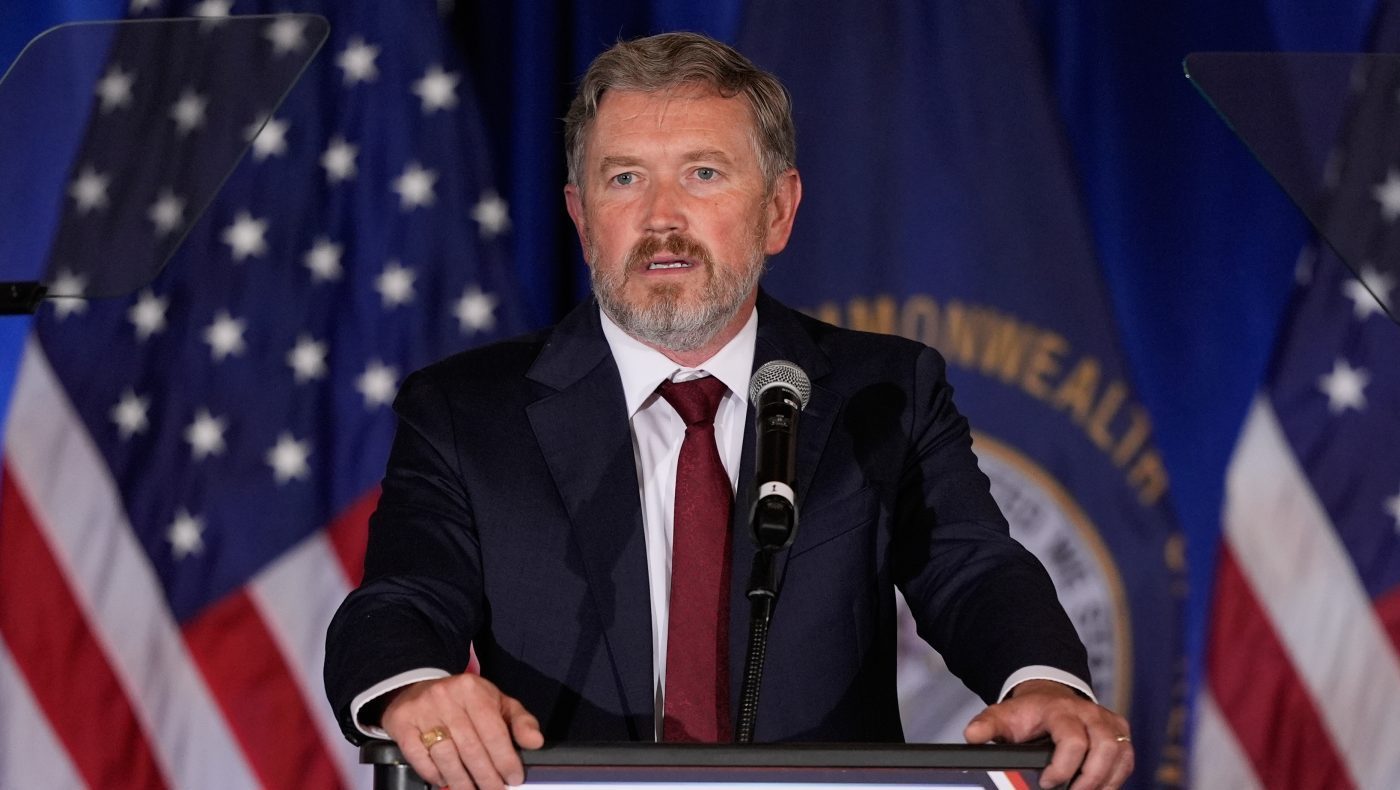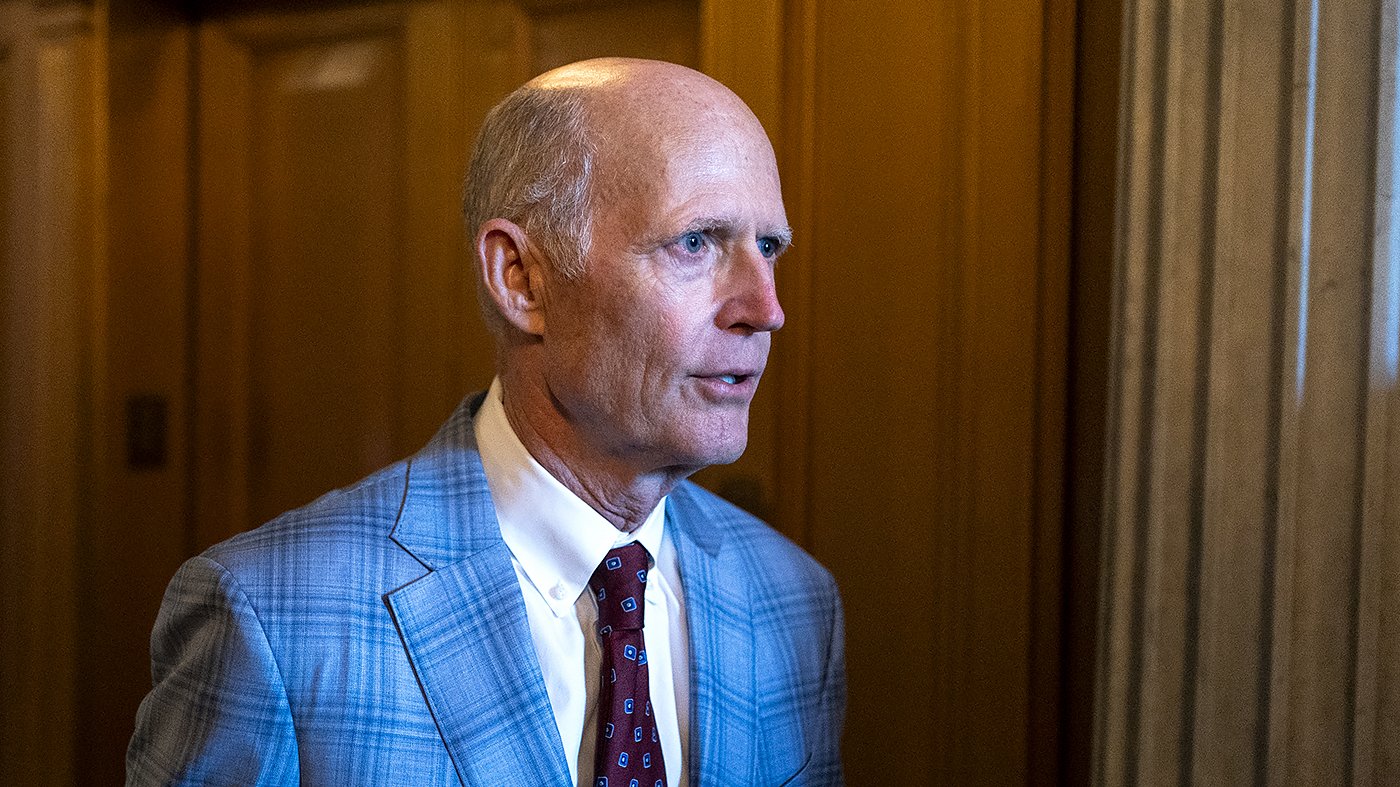
Senator Rick Scott (R-Fla.) dismissed the prospect of U.S. military intervention in Cuba on Wednesday, arguing that the Cuban people themselves will oust the regime. Appearing on NewsNation's “The Hill with Blake Burman,” Scott said, “I don’t think we’re going to have to do it,” pointing to recent protests and the imprisonment of political dissidents as signs of an imminent uprising.
Scott’s comments come as the Justice Department unsealed a murder indictment against former Cuban President Raúl Castro, charging him in connection with the 1996 downing of civilian aircraft operated by the exile group Brothers to the Rescue. The incident killed four men. Acting Attorney General Todd Blanche announced the charges in Miami, declaring that “nations and their leaders cannot be permitted to target Americans, kill them, and not face accountability.”
Earlier in the day, Scott told reporters that “the same thing that happened to Maduro should happen to Raúl Castro,” referencing the U.S. mission that captured Venezuelan leader Nicolás Maduro in January. However, he added that he didn’t want to “get ahead of whatever the Trump administration wants to do.” Later, on television, the senator struck a more forceful tone, saying “I think in the end, Trump’s going to have to go in and obliterate the regime.” He speculated that Castro might flee, but predicted he would ultimately “end up serving justice” in a U.S. prison.
President Trump quickly poured cold water on talk of military escalation. Speaking to reporters, Trump said the administration has Cuba “on our mind” but that escalation is unnecessary. “I don’t think there needs to be,” he said. “Look, the place is falling apart.”
The indictment and Scott’s remarks unfold against a backdrop of heightened tension between Washington and Havana. The U.S. has imposed an energy embargo on Cuba, and Cuban officials say the country has run out of fuel. The charges against Castro, 94, stem from a 1996 incident when Cuban military aircraft shot down two unarmed planes searching for would-be defectors. Castro was head of the armed forces at the time.
Blanche emphasized that the indictment was not a “show indictment,” even as he alluded to the possibility of invasion. Castro stepped down as president in 2018, but the U.S. still considers him the effective leader of Cuba.
The developments follow a visit to Havana last week by CIA Director John Ratcliffe, who, according to the agency, went to “personally deliver President Trump’s message that the United States is prepared to seriously engage on economic and security issues, but only if Cuba makes fundamental changes.”
Scott’s prediction of a popular uprising echoes his earlier calls for regime change without direct U.S. military involvement. Florida lawmakers have long pressed for accountability in the 1996 killings, and the indictment marks a significant step. But the senator&rsquos conflicting statements—first ruling out military action, then calling for obliterating the regime—highlight the delicate balance the Trump administration must strike as it weighs pressure against potential escalation.