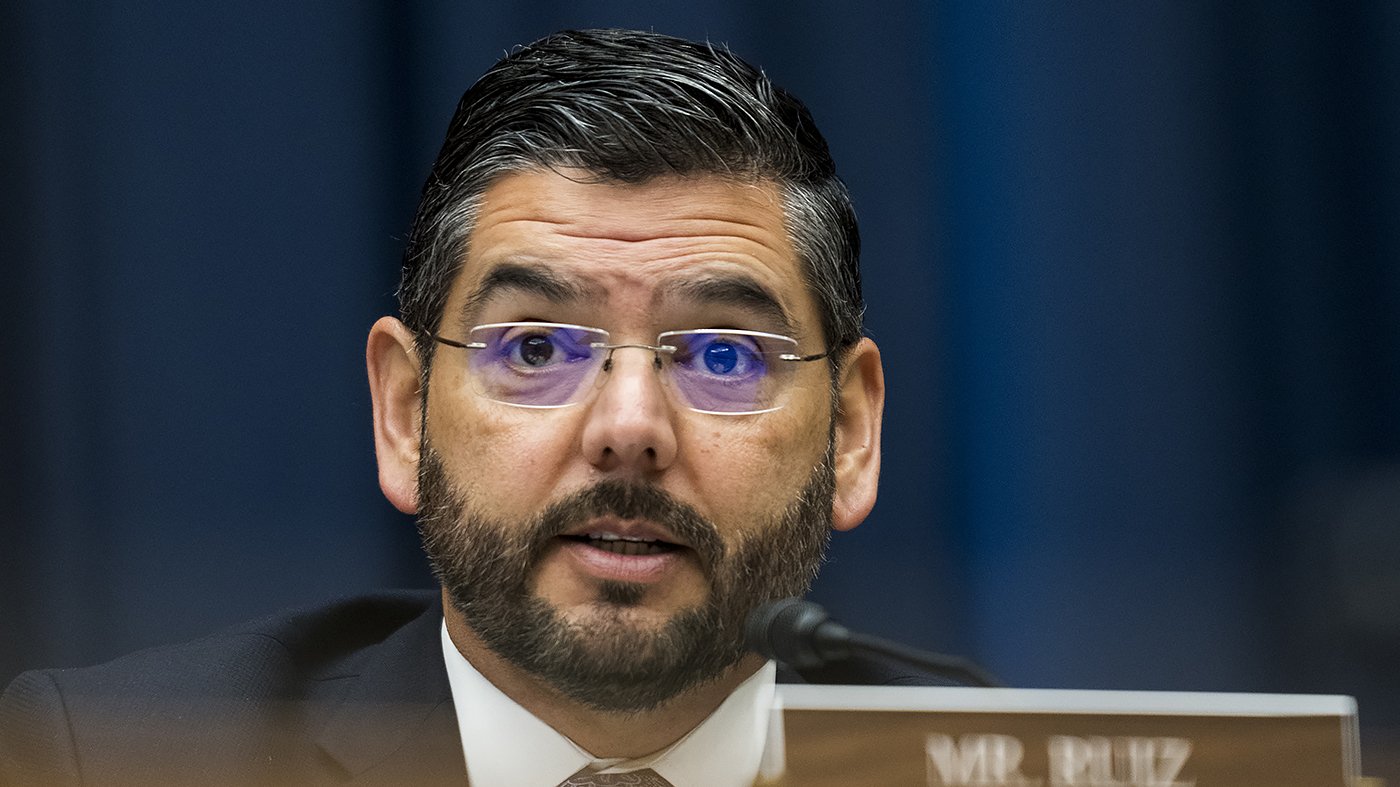
Two lawmakers from opposite sides of the aisle are pushing a legislative fix to make clinical trials more accessible to communities that have long been left out of medical research. At a Hill event on Wednesday, Rep. Raul Ruiz (D-Calif.) and Rep. Erin Houchin (R-Ind.) outlined their bipartisan Clinical Trial Modernization Act, a bill designed to tackle the economic and logistical hurdles that keep many patients from participating in studies that test new drugs, procedures, and treatments.
Ruiz, who grew up in a rural trailer park, spoke firsthand about the challenges facing underserved areas. "It's going to expand the diversity and increase the pool of patients that can participate in the clinical trials," he said at the event, which was sponsored by Eli Lilly and Company. The legislation aims to ease out-of-pocket travel costs and ensure that participant stipends up to $2,000 are not taxed, removing a key disincentive for low-income volunteers.
Clinical trials often fail to meet enrollment targets because potential participants face financial burdens and transportation barriers, especially in rural and minority communities. This lack of representation not only delays research but also skews results, making treatments less effective for diverse populations. The bill seeks to address these gaps by funding community-based outreach and reducing the economic strain on volunteers.
Houchin highlighted the potential of artificial intelligence to transform the screening process, which is one of the biggest bottlenecks in clinical trials. "AI can play a role in giving a role potentially in clinical trials that we haven't maybe considered or maybe we are just on the verge of considering," she told NewsNation's Margaret Chadbourn, a moderator at the event. By using AI to more efficiently match patients with appropriate studies, the bill could speed up enrollment and improve treatment outcomes.
Outside the venue, Eli Lilly showcased mobile screening trucks that travel across the country to bring clinical trial recruitment directly to underrepresented communities. These units offer health screenings and lab tests, and provide information about ongoing studies, aiming to connect more patients with research opportunities. The trucks are a tangible example of how technology and outreach can bridge the gap between medical research and the communities that need it most.
The bipartisan push comes amid broader efforts to reform healthcare access. For instance, a separate bipartisan bill backed by actor Noah Wyle aims to address healthcare worker shortages, while other lawmakers are grappling with issues like graduate loan caps that could worsen workforce gaps. The Clinical Trial Modernization Act adds another layer to this ongoing conversation about equitable healthcare.
Ruiz and Houchin emphasized that their bill is not just about improving trial numbers—it's about ensuring that medical advancements benefit everyone, regardless of income or geography. "We need to meet patients where they are," Ruiz said, echoing the event's theme. If passed, the legislation could mark a significant step toward a more inclusive research ecosystem.