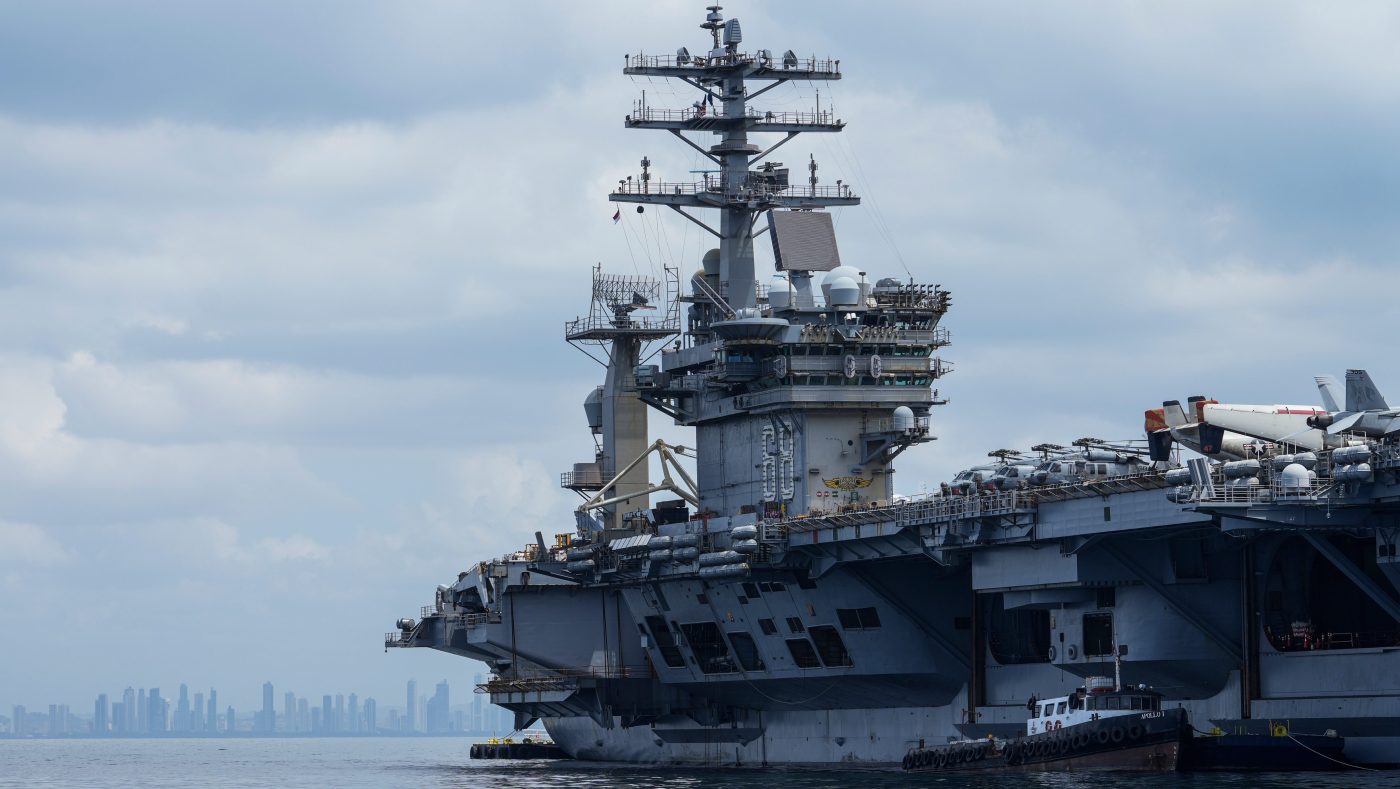
The nuclear-powered aircraft carrier USS Nimitz and its accompanying strike group have moved into the Caribbean Sea, a deployment that comes as the Trump administration intensifies its confrontational posture toward Cuba. The warship's arrival follows President Trump's recent threats of a potential invasion and a rare indictment of former Cuban leader Raúl Castro.
The Nimitz, a 50-year-old Nimitz-class carrier, is operating alongside the destroyer USS Gridley and the replenishment oiler USNS Patuxent, according to U.S. Southern Command. The carrier's air wing includes F/A-18E Super Hornets, EA-18G Growlers, and C-2A Greyhounds. Southcom announced the deployment Wednesday on social media, touting the vessel's global record of projecting power.
“USS Nimitz has proven its combat prowess across the globe, ensuring stability and defending democracy from the Taiwan Strait to the Arabian Gulf,” the command wrote on X.
The carrier group had just completed joint naval exercises with the Brazilian Navy off the coast of Rio de Janeiro, as confirmed by the U.S. Embassy in Brazil. Its pivot to the Caribbean signals a shift in focus to the immediate neighborhood as tensions with Havana escalate.
President Trump told reporters Wednesday that the administration has Cuba “on our mind,” hours after the Department of Justice unsealed an indictment charging Raúl Castro with murder and other crimes related to the 1996 shootdown of two civilian aircraft over international waters. Four people were killed in that incident. The indictment was timed to coincide with Cuba's Independence Day.
“It's very important,” Trump said. “It was a very big moment for people, not only Cuban Americans, but people who came from Cuba, that want to go back to Cuba, see their family in Cuba.”
Secretary of State Marco Rubio, a Cuban American, issued a rare Spanish-language message to the Cuban people on the same day, backing the U.S. fuel blockade and blaming the island's chronic blackouts on the current communist government. The administration's hard line also extends to intelligence channels: CIA Director John Ratcliffe met with Cuban officials on the island last week, warning that the window for negotiations is not open indefinitely.
The Pentagon has simultaneously suspended the joint defense board with Canada amid separate tensions, highlighting a broader pattern of unilateral military and diplomatic moves by the Trump administration. Critics argue that such unchecked actions erode global norms, but the White House shows no sign of pulling back.
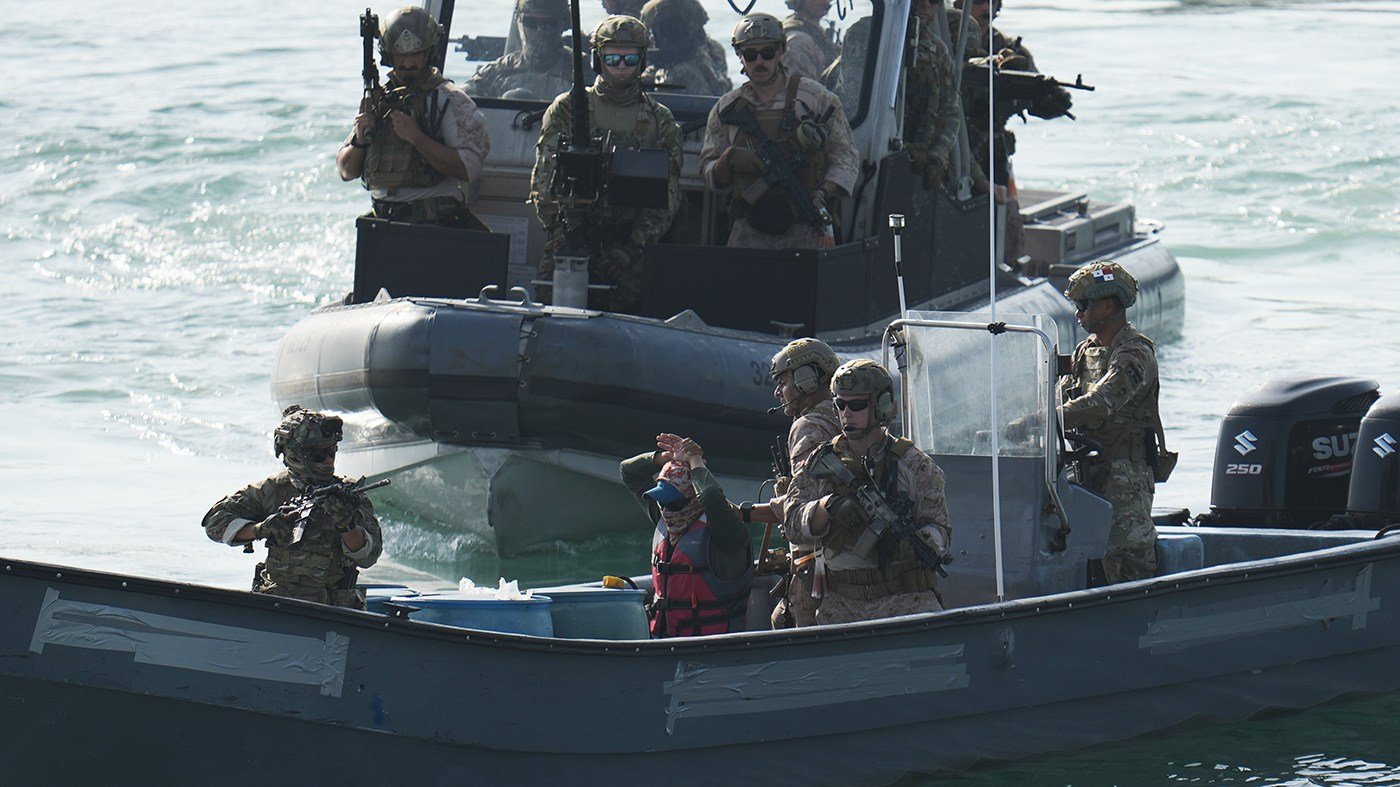
The Nimitz's deployment is the latest in a series of shows of force in the region. With Trump's rhetoric growing more bellicose and legal actions targeting Havana's leadership, the carrier's presence serves as both a deterrent and a potential staging platform—should the president follow through on his invasion threat.