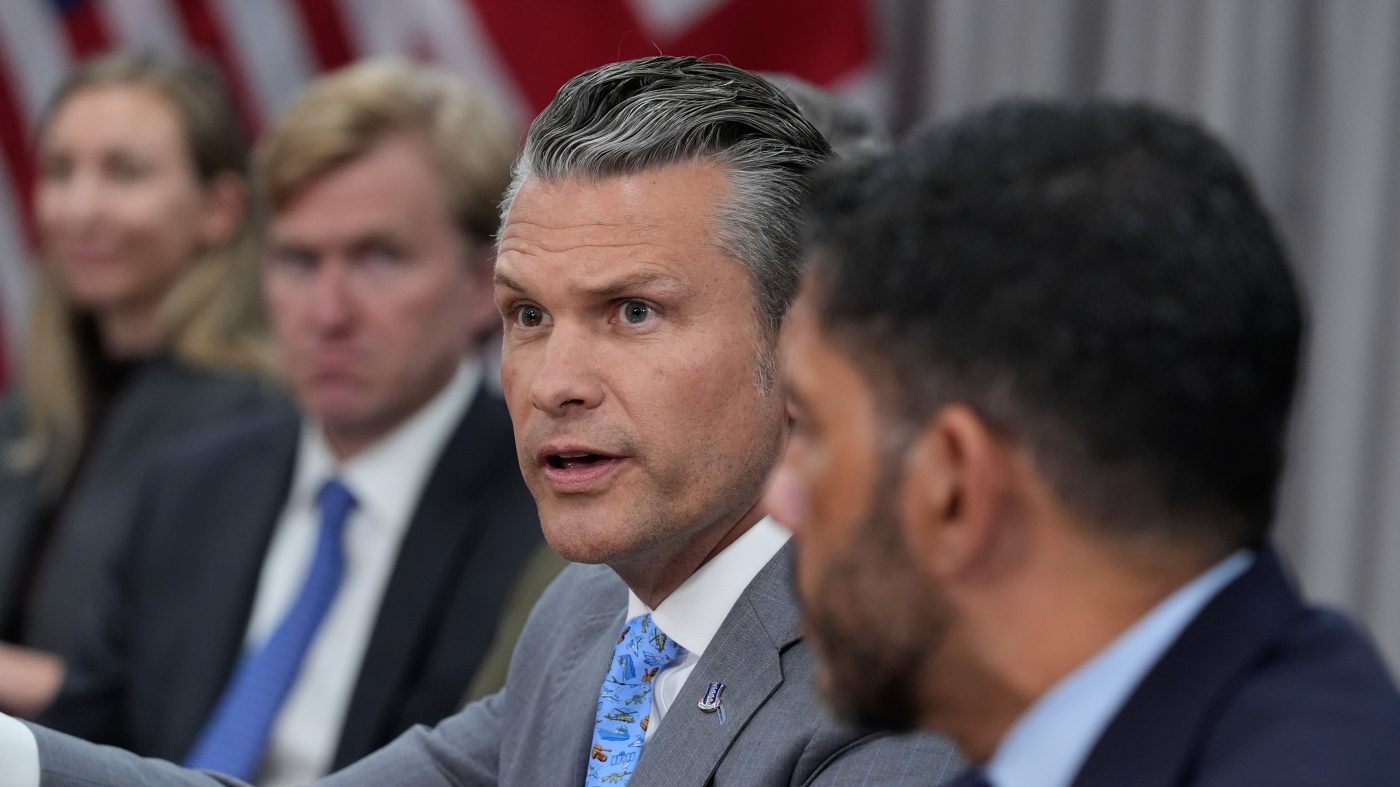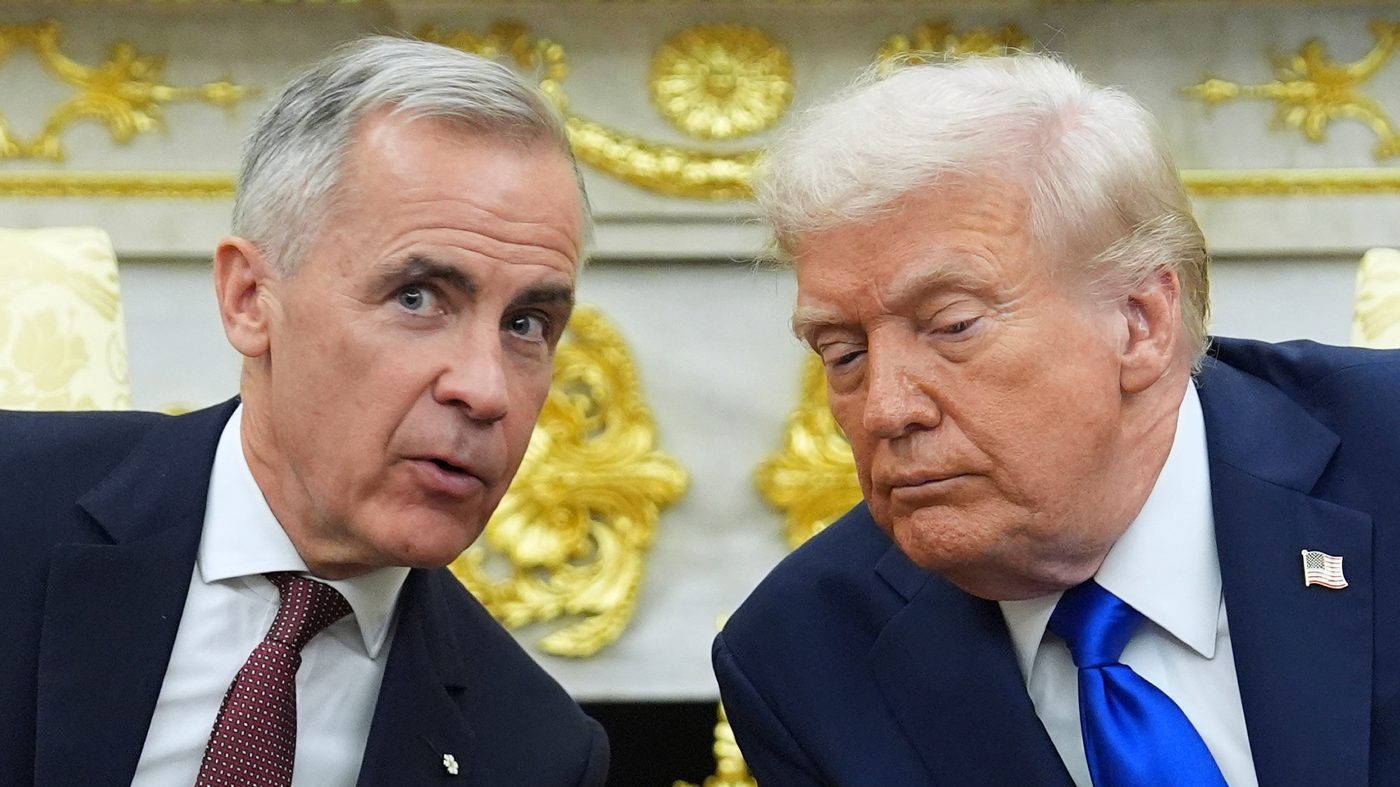
The Pentagon’s decision this week to suspend a historic joint military advisory board with Canada marks the latest escalation in the increasingly bitter standoff between President Trump and Canadian Prime Minister Mark Carney.
The Permanent Joint Board on Defense, established during World War II as a forum for high-level military and civilian consultation, will no longer meet as the U.S. signals growing impatience with Canada’s defense posture. Pentagon policy chief Elbridge Colby announced the suspension, accusing Ottawa of failing to modernize its armed forces and pointing to Carney’s recent call at the World Economic Forum for “middle powers” to form a counterweight to superpowers.
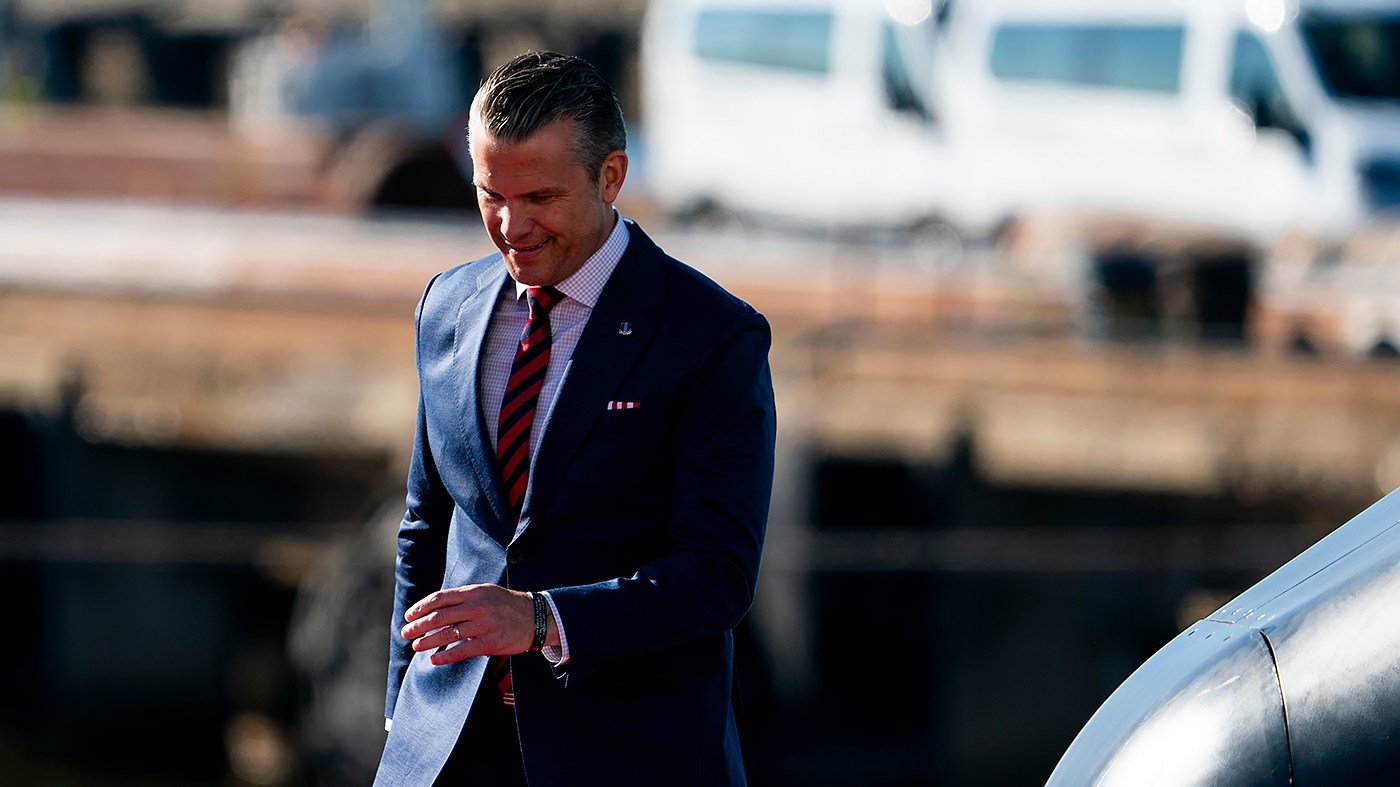
Carney downplayed the significance of the board’s suspension on Tuesday, noting that Canada has hit the 2 percent of GDP defense spending threshold for the first time since the fall of the Berlin Wall, including a $40 billion investment in the North American Aerospace Defense Command (NORAD). “It has a long heritage, but I wouldn’t overplay the importance of this,” Carney said.
Canadian defense experts, however, see the move as a symbolic warning shot. David Perry, president of the Canadian Global Affairs Institute, called it “a symbolic blow” and a “wake-up call” that Ottawa cannot treat bilateral forums as mere historical artifacts. “I think it’s a symbolic blow from a Canadian sense to have that measure taken by Colby,” Perry said. “But it’s maybe also a bit of a wake-up call about how we’ve treated some of these unique forums of cooperation — that can’t just treat them as historical artifacts.”
Andrea Charron, director of the Center for Defence and Security Studies at the University of Manitoba, argued that the suspension is unlikely to disrupt practical military cooperation, given other channels between the two countries, but it underscores a broader deterioration in relations. “If you’re going to send a message and call a hiatus to an advice-giving board, this is a good one to do it, because it’s really not going to have big consequences,” she said. “Now, what’s prompted this is anyone’s guess.”
The rift extends beyond defense. Trump’s frustrations with Carney are rooted in the prime minister’s campaign pledge to stand up to Washington, his push for self-reliance, and ongoing trade renegotiations. Canada recently turned to Australia for a major Arctic radar system and is reviewing its purchase of U.S.-made F-35 fighter jets, with an eye toward Swedish alternatives. These moves echo a broader trend of Canada diversifying its alliances, a theme that has also surfaced in Trump’s domestic political battles, where loyalty and spending priorities often clash.
Charron speculated that the Pentagon’s move could also reflect Trump’s frustration with allied support in the Iran conflict, describing it as “kicking the dog when you scratched your car.” She warned that Washington cannot afford to alienate Ottawa, especially as the Arctic becomes a strategic priority. “We are the second-largest country in the world, and our radar systems and satellite systems give the U.S. advance warning, which they desperately need in an Arctic context, because it’s the fastest avenue of attack,” she said.
Perry noted that Canada has finally met the 2 percent NATO spending target that eluded former Prime Minister Justin Trudeau, and Carney has committed to reaching 3.5 percent by 2035 — though that falls short of Trump’s 5 percent demand. Imran Bayoumi, an associate director with the Atlantic Council’s Scowcroft Center, said reaching 3.5 percent will require a “societal mindset shift.” “The 2 percent includes moving the Coast Guard to the Department of National Defense, salary increases, that kind of stuff. … It does help Canada’s position in the world, but it’s not like a clear ramp-up in defense spending,” Bayoumi said.
The suspension of the defense board comes as Trump continues to press allies on spending, a dynamic that has also played out in his campaign against Republican incumbents who fail to align with his agenda. While the practical impact of the board’s pause may be limited, experts say the symbolism is unmistakable: the U.S.-Canada defense relationship, long a cornerstone of North American security, is showing cracks that neither side can afford to ignore.