On April 17, Iran's foreign minister declared the Strait of Hormuz open for commercial shipping. Days later, Iranian armed forces reversed that decision. The episode reveals a fractured adversary unable to deliver on its own concessions—and a US strategy that refuses to confront the reality: Gulf security is built on a dependency trap that drains treasuries, invites attack, and leaves allies with no exit.
The US military footprint in the Persian Gulf performs two contradictory roles. It deters large-scale invasion but also advertises high-value targets for Iranian drone and missile strikes. Since 2023, reinforced carrier deployments have increased assets under US Central Command—and simultaneously expanded the number of sites Tehran can hit to impose political costs on Gulf allies. More protection produces more exposure. The shield and the lightning rod are the same object.
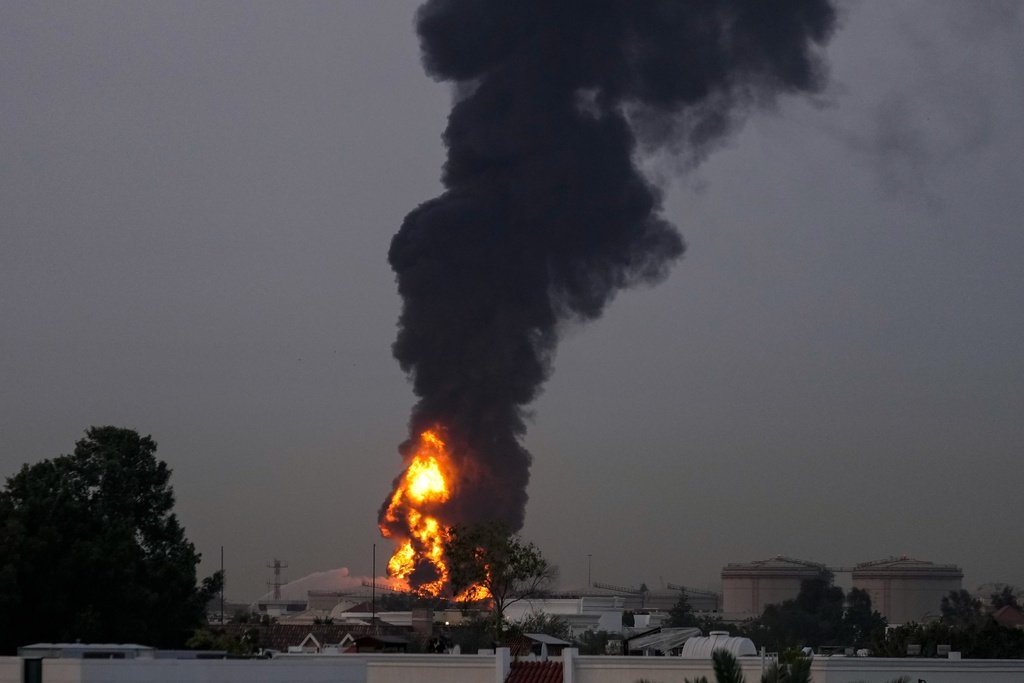
When Iran struck all six Gulf Cooperation Council states earlier this year, the logic became unmistakable: proximity to US assets is a targeting criterion, not a protective one. Gulf governments cannot host American forces without becoming parties to a conflict they never chose.
Princeton professor Bernard Haykel put it bluntly: “The U.S. force structure in the Gulf was built for a 1990-style land invasion, not for drone and missile warfare.” That mismatch is central. The architecture designed to deter Iran’s old capabilities now amplifies its new ones. Presence no longer prevents escalation—it invites it.
Deeper still is the integration paradox. Gulf air defenses cannot function without US intelligence, surveillance, reconnaissance, radar, and command networks. They do not possess defense—they possess access to defense, contingent on Washington’s political decisions. The deeper their integration, the less autonomy they retain. Any signal of US hesitation instantly degrades their defensive confidence. Their security is hostage not only to Iranian behavior but to Washington’s domestic political calculus.
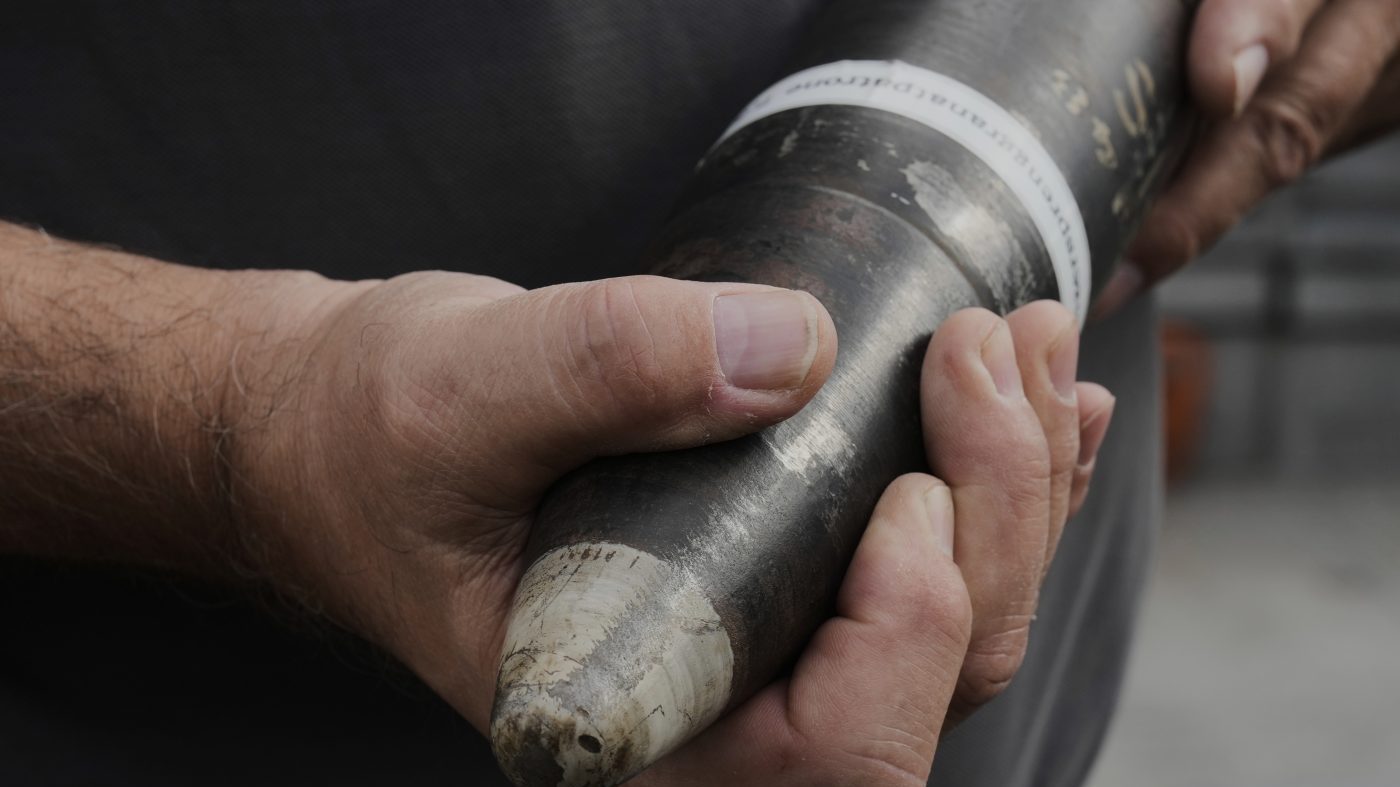
The cost-exchange ratio tells the rest. A Shahed drone costs roughly $35,000. The Patriot interceptor sent to stop it costs $4 million. Iran does not need to defeat GCC air defenses—it needs only to force them to expend high-value interceptors faster than they can be replenished. Exhaustion, not penetration, is the strategic objective. Targeting ports, airports, and oil infrastructure compounds the asymmetry: disruption alone imposes economic and political costs. Gulf states face double attrition—physical depletion of interceptor inventories and erosion of the financial base that funds replenishment.
Gulf allies have no credible alternative security provider. Without an exit option, their displeasure has no strategic instrument behind it. Technical lock-in with missile defense systems makes switching costs prohibitive. Every procurement cycle reinforces dependence. A monopoly provider faces no market discipline, and Washington has little structural incentive to address grievances.
The fractures are already visible. On April 28, the United Arab Emirates announced it was leaving OPEC—without consulting Saudi Arabia, without advance notice, and without apology. Abu Dhabi is now explicitly prioritizing ties with Washington and Israel over Arab solidarity. Riyadh is left holding an oil cartel that just lost its most capable swing producer, angrier at both Tehran for attacking it and at Washington for provoking the war. The Gulf Cooperation Council is not a unified bloc straining against US policy—it is splitting apart under the pressure of a conflict its members did not choose and cannot exit.
The May 5 pause of Project Freedom deepened the damage. It signaled that US operational commitments are reversible on short notice for reasons Gulf states do not control. The security guarantee is conditional in practice, even if unconditional in rhetoric. As Haykel noted, the GCC “will remain very dependent on America. But what they’ll do is change the nature of weapons systems so they can deal with this new kind of warfare.” The tools will modernize—but the strategic reality will not. Only the US can project force at scale, and that monopoly ensures every Gulf adaptation remains nested inside the same asymmetric relationship.
Washington must choose: address the cost-exchange asymmetry structurally, reduce the conditionality of its guarantee with binding commitments that survive domestic political cycles, or acknowledge honestly that it is asking fractured, resentful partners to indefinitely underwrite a conflict they never sanctioned. The trap has three locks: the cost-exchange ratio, the monopoly of protection, and the conditionality of the guarantee. Until Washington unlocks at least one, the Gulf will remain a theater of dependency—and danger.