From the battlefields of Ukraine to the waterways of the Persian Gulf and the hills of southern Lebanon, a common thread emerges: technology is enabling weaker states and non-state actors to effectively counter far more powerful adversaries. These are asymmetric wars, where one side fights for survival while the other pursues limited aims—a dynamic that is reshaping modern conflict.
Asymmetric warfare is not new. The American Revolution saw a ragtag Continental Army and state militias outmaneuver the British Empire by making the cost of victory unacceptable. Vietnam taught the U.S. that overwhelming conventional firepower could not crush a popular insurgency. The Soviet Union learned the same lesson in Afghanistan, as did the U.S. and NATO after 9/11. In each case, invaders quickly took cities but were eventually bogged down and driven out by guerrilla attrition.

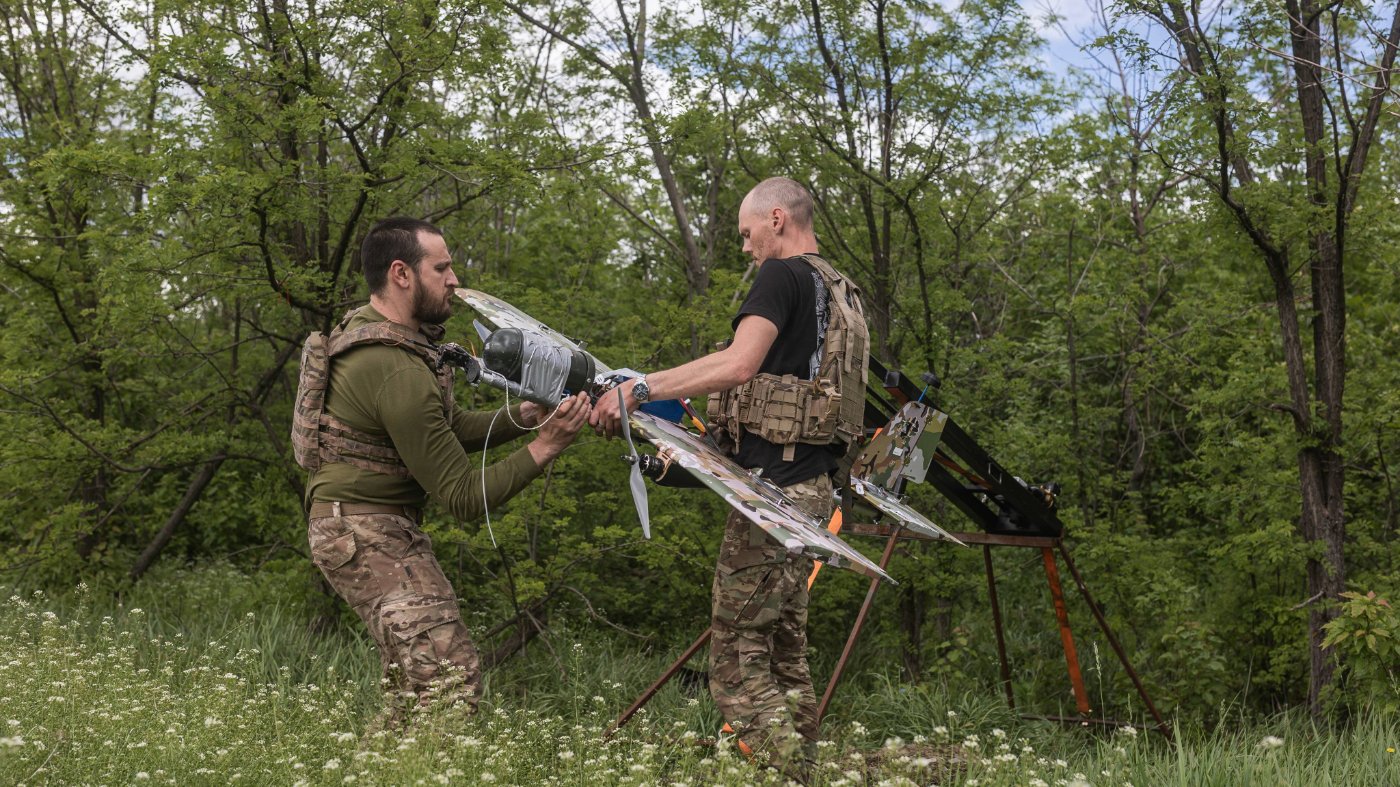
Yet today’s conflicts add a technological twist. In Ukraine, President Vladimir Putin expected a swift takeover, but determined Ukrainian resistance—bolstered by Western arms and money—turned the invasion into a grinding stalemate. Drones have become the game-changer, with Ukraine emerging as a global leader in aerial and land-based drone warfare, even selling expertise to Gulf states facing Iranian threats. Kyiv cannot reclaim lost territory, but Russian forces have stalled against sophisticated defenses.
The U.S. and Israel, meanwhile, ignored Ukraine’s lessons and plunged into their own asymmetric quagmire with Iran. Despite pounding Iranian bases and industrial sites, they have failed to defeat a regime that has decentralized its military assets. With Russian intelligence support, Iran has used mines, drones, and speedboats to shut the Strait of Hormuz, inflicting serious economic damage. Chinese weapons companies have supplied Iran with conventional missiles and shoulder-fired launchers that have downed American aircraft, highlighting the global supply chain of modern conflict.
Israel’s seventh invasion of Lebanon in 50 years mirrors past failures. The current operation recalls 1982’s Operation Peace for Galilee, which expelled the PLO but birthed Hezbollah. Hezbollah has proven adaptive, operating in smaller units and deploying drones effectively. As debates over U.S. weapons depletion in the Iran war intensify, the pattern is clear: powerful states can win battles but only at prohibitive cost.
That cost is staggering. The Pentagon reports $29 billion spent so far, but other estimates exceed $80 billion. The U.S. military has fired $4 million Patriot missiles to down $20,000 Iranian drones. To defeat Ukraine, Putin would need to deplete his resources, escalate an unpopular war, and risk broader conflict. Despite saber-rattling, President Trump has been unable to bully Iran into a peace deal. With military targets running out, the U.S. faces unpalatable options: bomb civilian infrastructure or commit ground troops to reopen the strait and seize Iranian uranium. Trump’s threat to “destroy Iranian civilization” drew global condemnation, and most Americans—including 27% of his MAGA base—oppose ground troop deployment.
Israel faces a similar bind. Prime Minister Netanyahu appears intent on permanently occupying southern Lebanon, but that move will likely strengthen Hezbollah’s support, as Senator Graham defends Trump's Iran stance as a 'Churchill moment'. The affordability of such prolonged conflicts is also fueling domestic political shifts, as affordability dominates the final California gubernatorial debate.
As these conflicts unfold, they teach a clear lesson: superior military resources alone no longer guarantee victory. Victory requires weighing costs, setting achievable goals, and recognizing that a strong state may start a limited war only to find its adversary fighting a total one. The new era of asymmetric warfare demands that even the most powerful nations rethink their strategies.