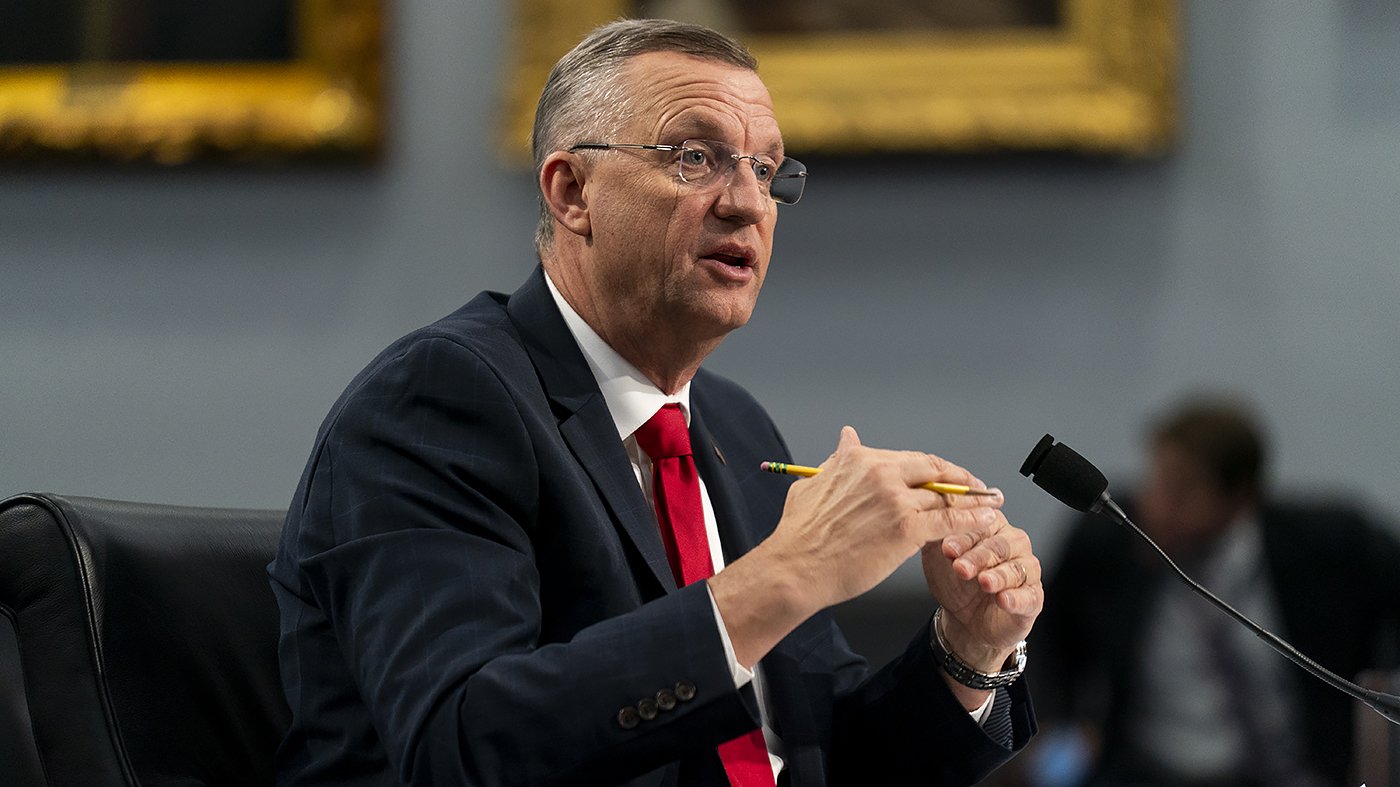
Veterans Affairs Secretary Doug Collins appeared before the Senate Veterans Affairs Committee on Tuesday to defend President Trump's fiscal year 2027 budget request for the Department of Veterans Affairs. The administration is seeking $144 billion in discretionary funding, with a heavy emphasis on improving military housing, expanding healthcare access for veterans, and intensifying efforts to combat homelessness among former service members.
The hearing comes just days after the House passed its first appropriations bill for fiscal 2027, which included funding for military construction and the VA. That bill, which cleared the House with bipartisan support, sets the stage for what is expected to be a contentious budget battle on Capitol Hill. Lawmakers are already jockeying over spending priorities, with some Democrats pushing for more robust funding for VA programs and others raising concerns about the administration's overall fiscal approach.
Collins, a former congressman from Georgia, is no stranger to the political dynamics at play. His testimony arrives amid a backdrop of heightened partisan tension over federal spending, as the House GOP leadership faces a fast-approaching deadline for budget reconciliation. The VA budget is a key component of that broader fiscal puzzle, and Collins is expected to face pointed questions about how the requested funds will be allocated and whether they are sufficient to meet the needs of the nation's 9 million enrolled veterans.
The administration's budget blueprint zeroes in on three core areas: upgrading aging VA hospitals and clinics, expanding mental health and suicide prevention programs, and ramping up support for homeless veterans. The White House has argued that the $144 billion request represents a responsible investment in those priorities, but critics on both sides of the aisle have questioned whether the funding is adequate. Some Democratic senators have already signaled they will press Collins on whether the budget shortchanges key programs, particularly in light of recent reports of long wait times for medical appointments and persistent gaps in rural healthcare access.
Collins is also likely to face questions about the VA's handling of a controversial abortion policy, which has drawn legal challenges from veterans groups. A lawsuit filed by a veterans organization over the ban has put the department in the spotlight, and senators from both parties are expected to seek clarity on how the budget addresses reproductive healthcare services.
The hearing, which began at 4 p.m. EDT, is being closely watched by advocacy groups and lawmakers alike. It marks the first major test for Collins since he took the helm of the VA, and his performance could shape the trajectory of budget negotiations in the weeks ahead. With the House already having passed its VA funding bill, the Senate's response will be critical in determining the final shape of the 2027 budget.
As the hearing got underway, Collins reiterated the administration's commitment to veterans, emphasizing that the budget request is designed to deliver on promises made to those who served. But with the clock ticking on the fiscal year and partisan divisions running deep, the path to a final spending package remains uncertain.