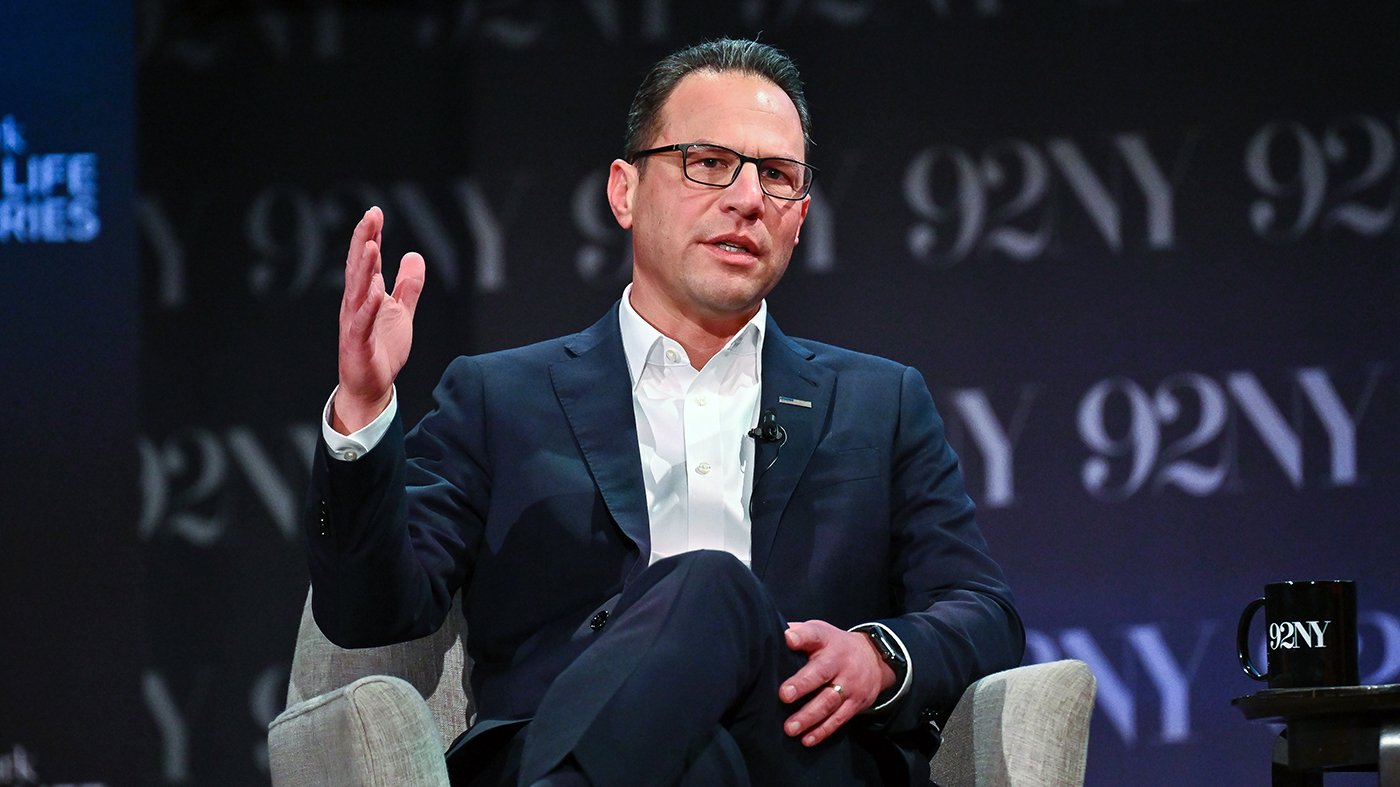
Pennsylvania Governor Josh Shapiro (D) is set to square off against state Treasurer Stacy Garrity (R) in November as he seeks a second term, according to Decision Desk HQ projections. Both candidates ran unopposed in their respective primaries on Tuesday, officially cementing a general election matchup between two figures who have held statewide office.
Shapiro, a Democrat who took office in 2022 after serving as state attorney general, has been a rising star in national politics. He was considered a potential running mate for former Vice President Kamala Harris in the 2024 presidential race and is widely viewed as a possible contender for the Democratic nomination in 2028. His campaign has raised millions of dollars and maintained strong approval ratings within the commonwealth.
Garrity, a Republican, is currently serving her second term as state treasurer, having been first elected in 2020 and reelected in 2024. She has positioned herself as a fiscal conservative and is now aiming to unseat a popular incumbent in a state that has become a key political battleground. For more on similar races, see our coverage of the Alabama governor rematch between Tuberville and Jones.
Recent polling indicates Shapiro holds a comfortable lead over Garrity, though the race remains competitive. The nonpartisan Cook Political Report rates the Pennsylvania governor's seat as "Solid Democrat," reflecting the state's recent electoral trends. However, Garrity's campaign is expected to focus on economic issues and state spending, hoping to tap into voter concerns about inflation and government overreach.
The contest will also be shaped by down-ballot races in Pennsylvania, including key House primaries that have set the stage for crucial battles in the state legislature. For more on those dynamics, check out our analysis of the Pennsylvania House primaries that are setting up pivotal races.
Shapiro's tenure has been marked by efforts to expand infrastructure, boost education funding, and protect abortion rights. He has also clashed with the Republican-controlled legislature over issues like election administration and energy policy. Garrity, meanwhile, has criticized Shapiro's spending and his handling of the state's budget surplus, arguing that more tax relief is needed.
Both candidates are expected to ramp up their campaigns in the coming weeks, with Shapiro leveraging his incumbency and fundraising advantage, while Garrity aims to rally the GOP base and appeal to independents. The outcome could have national implications, as Pennsylvania remains a pivotal swing state in presidential elections.
As the race unfolds, voters will also weigh broader issues such as healthcare, education, and economic opportunity. The state's energy sector, particularly natural gas development, is likely to be a flashpoint, with Shapiro supporting renewable energy initiatives and Garrity advocating for traditional energy jobs.
For now, the general election is set, and both candidates are preparing for what promises to be a closely watched campaign. With Shapiro's national profile and Garrity's grassroots appeal, Pennsylvania's gubernatorial race will be a bellwether for the political mood in a critical battleground state.