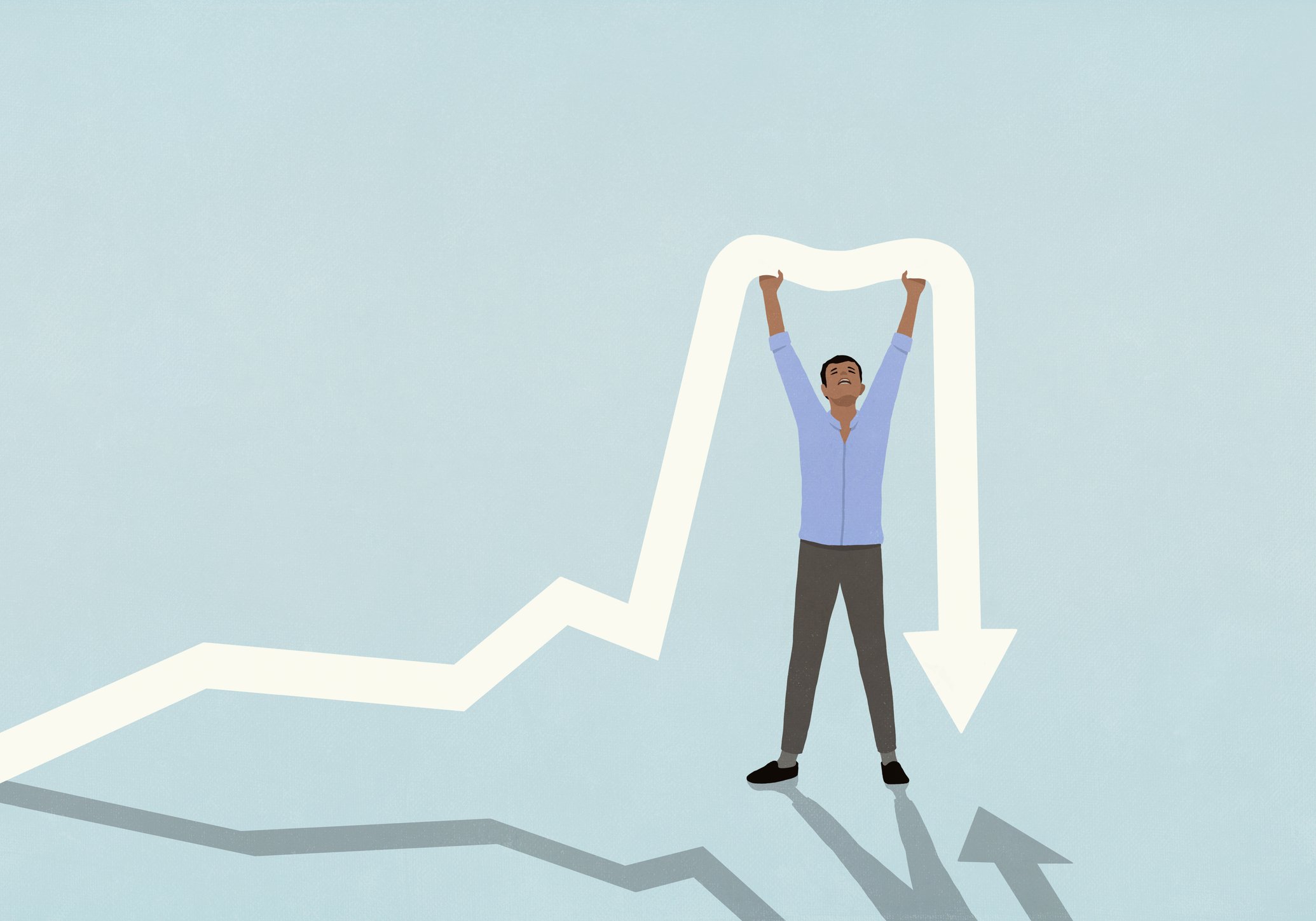
Economists have a credibility problem. They missed inflation. They misjudged tariffs. They got GDP growth, recessions, and the labor market wrong. Yet they keep issuing predictions—this year, some warn of a downturn; by 2027, they say, a “very significant” recession could hit. Don’t bet on it.
Business owners like myself and my clients once relied on these forecasts to guide investments, hiring, and strategy. But with such a poor track record, it’s getting harder to take them seriously. The structural flaws in economic forecasting are glaring.

Many economists feed on government data, but that pipeline is leaking. In September, the Labor Department admitted it overstated job gains in 2025 by 911,000—after already overstating the previous year by 818,000. GDP revisions routinely swing wildly from initial estimates. Even statistician Nate Silver has called the history of economic forecasts a “complete failure.”
Relying on such data handicaps any analyst—and the business owners who follow them. Government surveys are often outdated, questioning their validity. If you’re basing decisions on those predictions, you’re at a disadvantage too.
Bias is another problem. The White House fields its own partisan economic team; major outlets like The New York Times and The Washington Post have theirs. Academics lean left—60 to 75 percent vote Democratic. Right-leaning economists like Milton Friedman or Stephen Moore sit on the other side. It’s essential to cross-check sources, just as you would with any media outlet.
Too many economists work in isolation, never leaving their offices or campuses. They don’t visit ports, factories, or distribution centers. As a journalist covering small and mid-sized businesses, I speak to over 50 business groups a year. That on-the-ground perspective reveals what’s really happening—something desk-bound forecasters miss.
Laziness also plays a role. Once economists build a model or secure a regular reporting gig, they stick to it. Questioning the approach or seeking new data is risky. The Labor Department’s job reports are a perfect example: the definition of a job hasn’t kept up with gig work, freelancing, and independent entrepreneurship. Income generation is a more relevant metric today than counting employees.
Fear of change compounds the problem. Proposing a radical shift in methodology invites scrutiny and potential career damage. It’s safer to echo the consensus, collect a paycheck, and move on. That risk aversion keeps flawed models in place.
For business owners, the takeaway is clear: don’t rely on economists. Look for real data instead. Check out our coverage of remote work rights and disability rulings for a glimpse of how legal shifts affect the labor landscape. And consider how Supreme Court decisions on voting rights can ripple through economic policy.