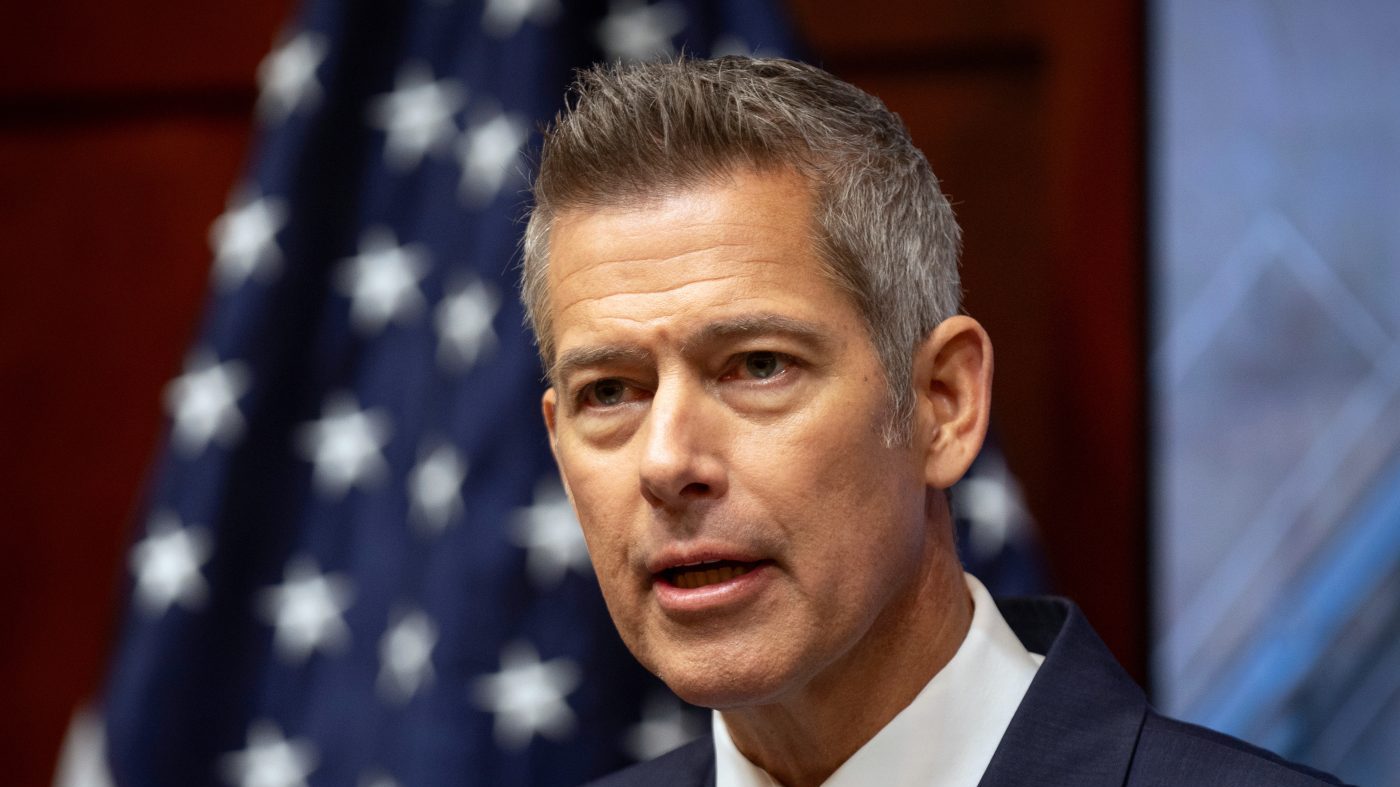
Transportation Secretary Sean Duffy appeared before a Senate Appropriations subcommittee Tuesday afternoon to defend President Trump's fiscal 2027 budget request for the Department of Transportation. The White House is asking for $26.6 billion in discretionary budget authority, a figure that is already drawing sharp questions from lawmakers on both sides of the aisle.
The hearing, which began at 3:30 p.m. EDT, comes as the administration pushes its spending priorities amid rising geopolitical tensions. Duffy is expected to face tough questioning on a range of issues, but the most pressing is the ongoing jet fuel shortage linked to the conflict in Iran. That shortage has sent airline prices soaring, creating a political headache for the Trump administration as it seeks to reassure voters about economic stability.

Senators are also likely to press Duffy on the controversy surrounding his “Road Trip” reality show, which was funded with taxpayer money. Former Transportation Secretary Pete Buttigieg has publicly criticized the show as an embarrassment, and the issue has become a flashpoint in the budget debate. Critics argue the funds could have been better spent on infrastructure or fuel price relief.
The $26.6 billion request represents a modest increase from previous years, but it falls short of what some transportation advocates say is needed to address aging infrastructure and rising fuel costs. The hearing is part of a broader budget battle that has seen other Cabinet officials face similar scrutiny. EPA Administrator Lee Zeldin recently defended deep cuts to his agency's budget, while HUD Secretary Scott Turner faced questions on Trump's $73.5 billion housing plan.
Duffy's testimony also comes as the Pentagon ramps up its own budget requests amid the Iran crisis. Army Chief Driscoll is scheduled to face a House grilling on the $1.5 trillion Pentagon budget, highlighting the interconnected nature of transportation and defense spending. The jet fuel shortage has direct implications for military logistics as well as commercial aviation.
Lawmakers are expected to press Duffy on how the Transportation Department plans to mitigate the fuel crisis without additional funding. The White House has argued that the $26.6 billion is sufficient, but senators from both parties have expressed skepticism. Some have called for emergency allocations to stabilize fuel prices and prevent further economic disruption.
The hearing is being closely watched as a bellwether for the administration's ability to navigate a divided Congress. With the 2027 budget still in its early stages, Duffy's performance could set the tone for future negotiations. His handling of the fuel shortage and the reality show controversy will likely determine whether he emerges from the hearing with his credibility intact.
As the session continues, all eyes are on Duffy's responses. The outcome could have ripple effects not just for the Transportation Department, but for the broader Trump agenda as it faces mounting challenges at home and abroad.