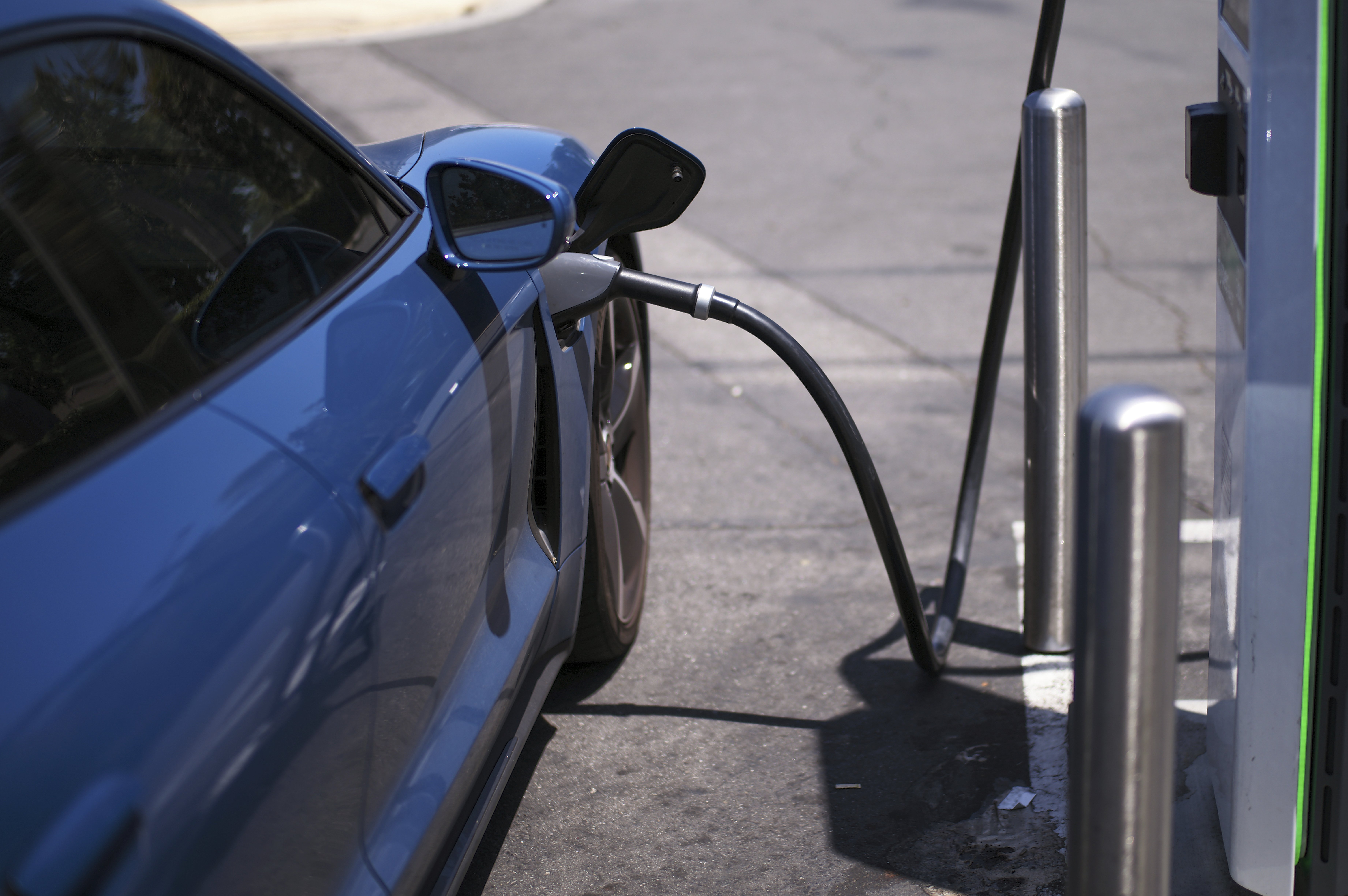
A bipartisan highway bill in the House would impose a $130 annual registration fee on electric vehicles and a $35 fee on plug-in hybrids, marking a significant shift in how the federal government funds road repairs. The measure is part of the Five-Year Surface Transportation Reauthorization bill, which aims to invest in roads, bridges, rail, and other infrastructure across the country.
The legislation, unveiled Sunday by House Transportation and Infrastructure Committee Chairman Sam Graves (R-Mo.) and Ranking Member Rick Larsen (D-Wash.), reflects a rare moment of cross-party cooperation on infrastructure. However, the EV fee provision has already drawn scrutiny, as it would require Senate approval to become law, and Senate Democrats may resist the change.

Under the proposed fee structure, the cost would increase by $5 every other year starting in 2029, capping at $150 for EVs and $50 for hybrids. The fees are designed to address a growing gap in the Highway Trust Fund, which relies on gasoline taxes that EV owners do not pay since their vehicles don't consume gasoline. According to Graves, the provision "ensures that electric vehicle owners begin paying their fair share for the use of our roads."
Larsen emphasized the "user pays" principle that has long underpinned transportation funding, stating, "I support that principle and worked to make sure that this new fee on EVs is fair and not punitive." He highlighted that the bill also includes $1 billion to expand the nation's network of EV charging stations, maintains record-level support for public transit, and provides much-needed funding for bridge repairs.
The bill's fate remains uncertain. While it has bipartisan backing in the House, the Senate may push back against the EV fees, particularly given Democratic concerns about penalizing early adopters of clean energy technology. The debate mirrors broader tensions over how to fairly fund infrastructure as the vehicle fleet transitions away from gasoline.
This isn't the only bipartisan effort on the Hill this week. In a related move, lawmakers are also exploring a bipartisan bill to shield certain gene therapies from Medicare price negotiations, highlighting the ongoing push for cross-party deals on complex issues.
If enacted, the fees would represent a significant policy shift, potentially affecting millions of EV owners and shaping the future of transportation funding. The bill's sponsors argue it's a necessary step to maintain the integrity of the Highway Trust Fund, while critics warn it could slow the adoption of electric vehicles at a time when climate goals demand the opposite.
As the legislative process moves forward, the EV fee provision will likely be a flashpoint in the broader infrastructure debate, testing whether bipartisanship can survive on such a contentious issue.