Democratic attorneys general from 25 states and the District of Columbia filed a federal lawsuit Tuesday against the U.S. Education Department, arguing that new limits on graduate student loans will exacerbate healthcare workforce shortages by making it harder for students to pursue medical degrees.
The lawsuit, lodged in U.S. District Court in Maryland, targets borrowing caps set to take effect July 1 under the One Big Beautiful Bill Act, signed by President Trump last July. Under the law, graduate students will be capped at $20,500 per year in federal loans, with a $100,000 aggregate limit. Professional students—those in fields like medicine, law, and business—face a $50,000 annual cap and $200,000 aggregate limit. The department will also begin phasing out the Graduate PLUS program, an unsubsidized loan option with no annual or aggregate limits.
“These caps will drive up costs by reducing the supply of health professionals and push graduate students toward predatory private loans with interest rates that can exceed 18 percent,” the lawsuit states, citing data from Pennsylvania State University. Federal loans, by contrast, carry fixed rates.
Kentucky Governor Andy Beshear and Pennsylvania Governor Josh Shapiro, both Democrats, joined the 24 attorneys general in the suit. The plaintiffs argue that the new rules will force students to either take on expensive private debt or abandon graduate education altogether, particularly in rural and underserved areas. “Direct Loans make graduate and professional programs more accessible at public institutions, enabling Plaintiff States to address workforce needs,” the complaint reads.
Education Undersecretary Nicholas Kent defended the caps, telling The Hill that the lawsuit prioritizes universities’ financial interests over students’. “After decades of unchecked borrowing that gave schools no reason to control costs, these commonsense loan caps—created by Congress—are already incentivizing colleges to lower tuition,” Kent said.
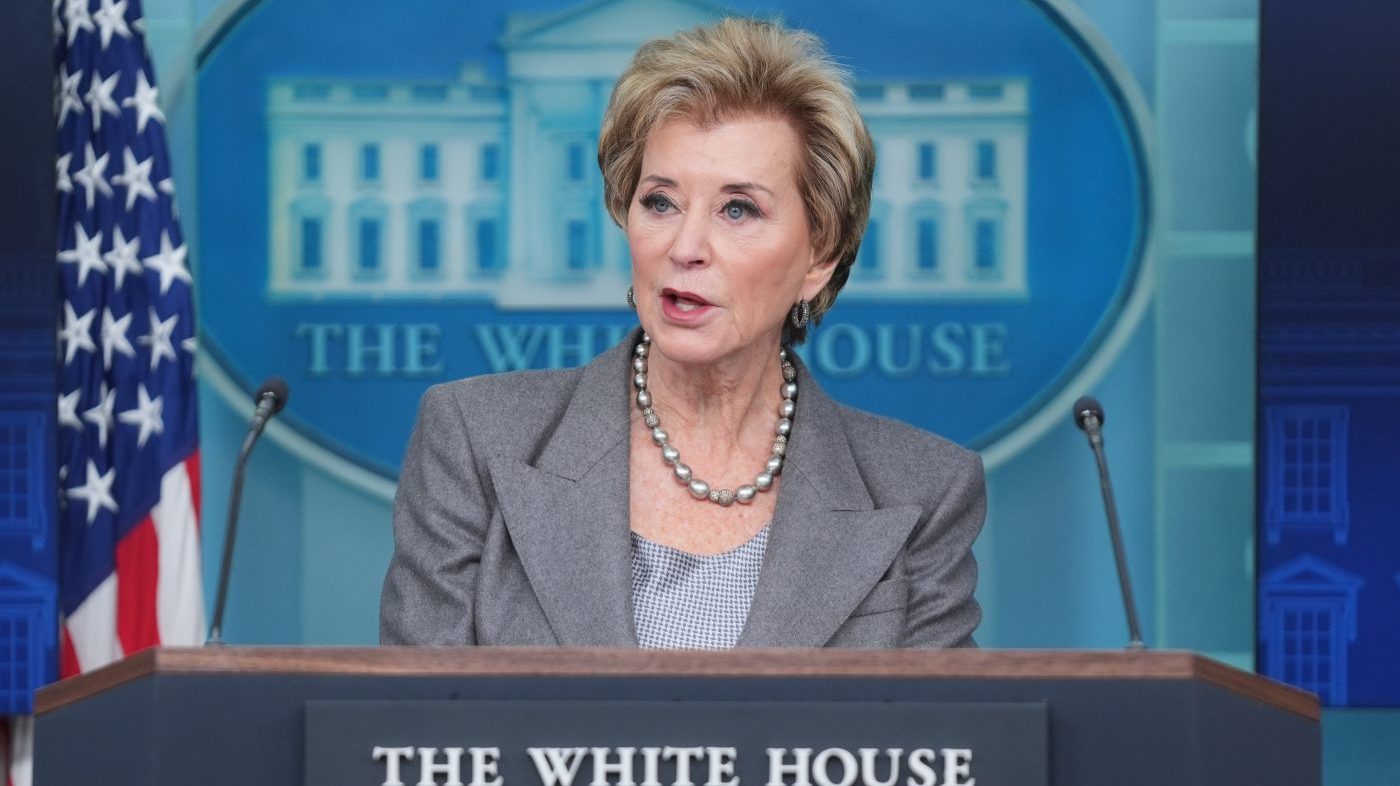
The Education Department’s guidance defines “professional degrees” as those in pharmacy, dentistry, veterinary medicine, chiropractic, optometry, and theology—but notably excludes nursing. Education Secretary Linda McMahon told the House Education and Workforce Committee last week that most nursing programs don’t require loans approaching the $50,000 cap, but the lawsuit counters that the narrow definition will have severe consequences. “If the restrictive definition is maintained, many students will face exceeding federal-loan caps. Some will be unable to obtain private loans; others will decide the costs outweigh the benefits and decline to enroll,” the suit warns.
The legal challenge comes amid broader debates over student debt and healthcare access. In a related development, actor Noah Wyle returned to Capitol Hill to push bipartisan healthcare worker bills, highlighting the strain on the medical system. Meanwhile, the ongoing fight over state judicial races, such as the Georgia Supreme Court contests drawing national Democratic firepower, underscores the intense political polarization surrounding education and health policy.
Plaintiffs argue that the caps will disproportionately harm students in rural areas, where healthcare shortages are already acute. “The result will almost certainly be fewer graduates joining excluded professions each year, and shortages for our residents, especially in rural and impoverished areas,” the lawsuit states.
The Trump administration has framed the caps as a cost-control measure, but critics see them as a blow to workforce development. As the case proceeds, the outcome could reshape how graduate education is financed—and who can afford to enter critical fields like medicine.