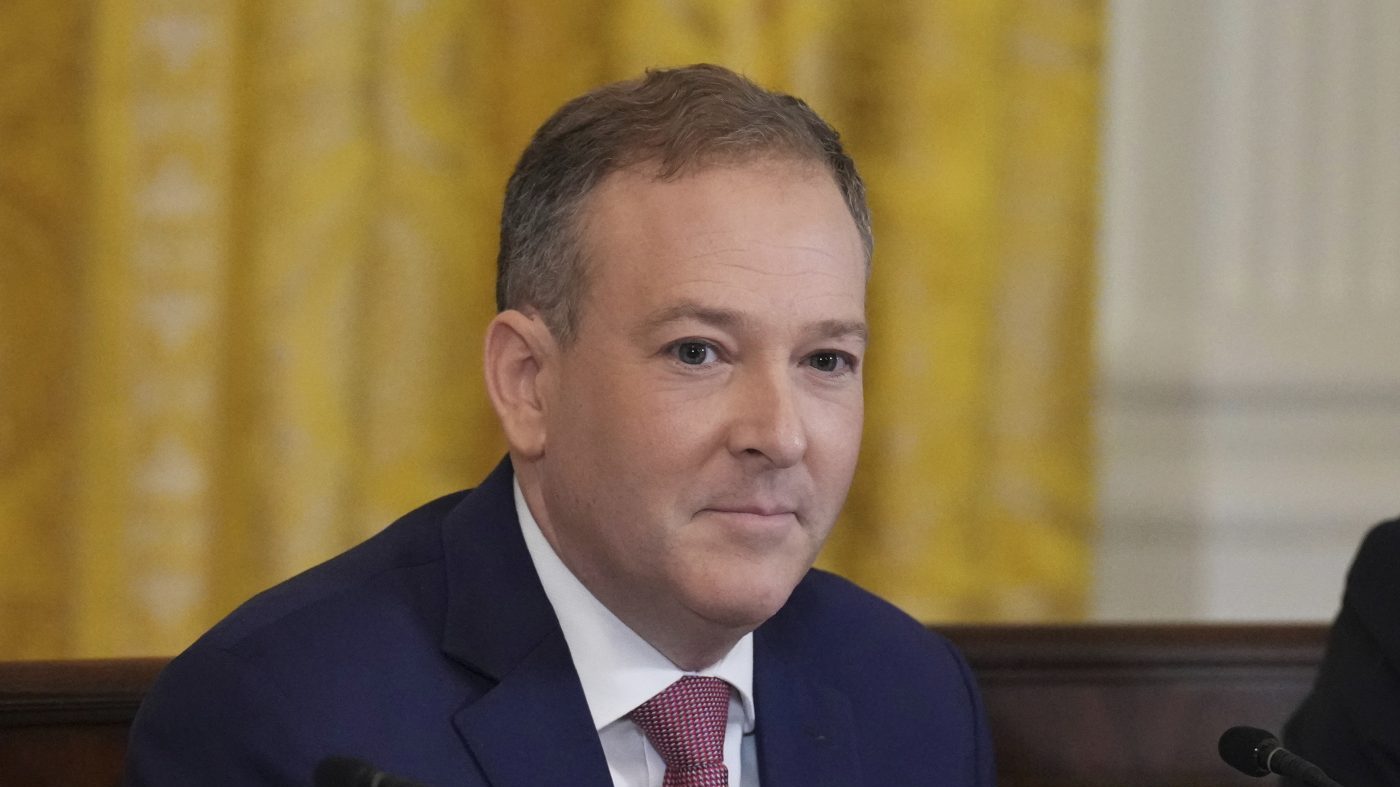
Environmental Protection Agency Administrator Lee Zeldin appeared before the Senate Appropriations Committee on Wednesday morning to defend President Trump's fiscal 2027 budget request, which would slash the agency's funding by more than half.
The White House is seeking just $4.2 billion in budget authority for the EPA, a 52 percent reduction from current levels. The hearing comes on the heels of an executive order last month in which Trump directed offices overseeing energy and environmental regulation to begin phasing out a broad array of pollution controls and conservation rules.

Zeldin's testimony is part of a broader administration push to shrink the federal regulatory footprint. The EPA budget cuts align with similar reductions proposed for other agencies, including a 15.9% cut to the Interior Department, which was the subject of a recent House grilling of Secretary Doug Burgum.
Senators on both sides of the aisle are expected to press Zeldin on how the agency would maintain core functions such as enforcing clean air and water laws, overseeing hazardous waste cleanup, and responding to environmental disasters with such a sharply reduced budget. The hearing, which began at 10:30 a.m. EDT, is being closely watched by environmental groups and industry alike.
Critics argue the cuts would cripple the EPA's ability to protect public health and the environment, while supporters contend the agency has overreached under previous administrations and that states should take on more regulatory responsibility. The debate mirrors similar battles playing out across the federal budget, including the Pentagon's $1.5 trillion request and the FBI's $12.5 billion budget, both of which have drawn scrutiny.
Zeldin, a former New York congressman, has sought to position the EPA as more business-friendly under Trump, rolling back dozens of Obama-era rules on emissions, water pollution, and chemical safety. The budget request would likely accelerate that trend, with deep cuts to enforcement, research, and grant programs that fund state and local environmental projects.
Democrats on the committee are expected to highlight the potential impact on communities already struggling with pollution and climate-related disasters, while Republicans may focus on reducing what they see as bureaucratic overreach and regulatory burdens on industry.
The hearing also comes amid broader turmoil in the Trump administration, including the naming of a fourth acting FEMA chief and ongoing questions about the president's approach to international conflicts, such as his rejection of an Iran peace deal.