The Justice Department is moving to indict former Cuban President Raúl Castro on Wednesday, a date that coincides with Cuba's Independence Day and follows President Trump's threat to invade the island. The indictment, confirmed by NewsNation and reported by Reuters as already returned, marks a significant escalation in U.S.-Cuba tensions.
Prosecutors in the Southern District of Florida have scheduled a press conference for Wednesday afternoon, featuring Acting Attorney General Todd Blanche. The event will be held "in conjunction with a ceremony to honor the victims of the Brothers to the Rescue," a group that lost four members in 1996 when their planes were shot down by the Cuban military under Castro's command. The aircraft were searching for Cubans attempting to flee the island.
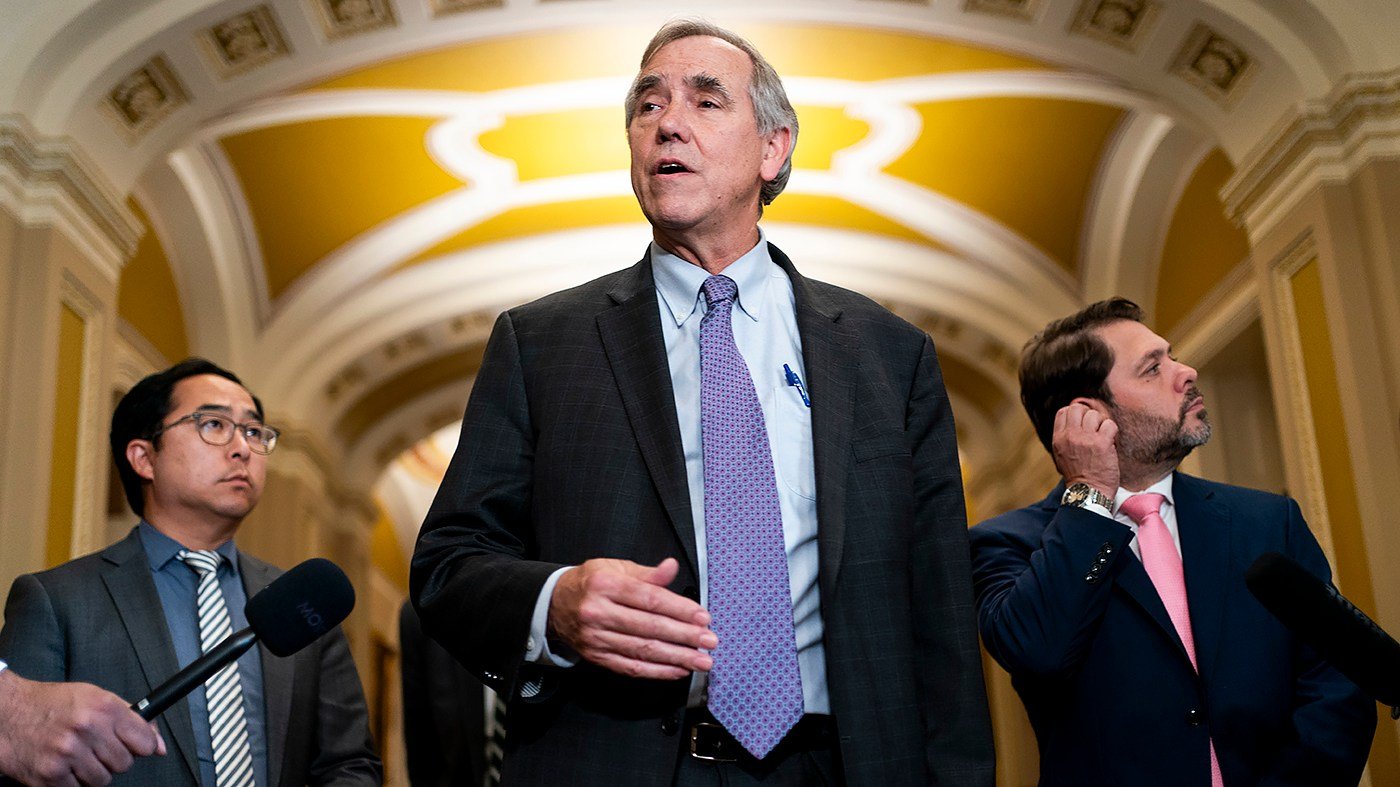
Raúl Castro, now 94, stepped down as president in 2018 but remains viewed by U.S. officials as Cuba's effective leader. The indictment mirrors a strategy used against former Venezuelan President Nicolás Maduro, who was indicted in a U.S. court before being seized by armed forces from his compound. It remains unclear what specific action may follow against Castro or Cuba.
The timing of the indictment—on Cuba's Independence Day—is a deliberate political signal, coming as Trump has repeatedly threatened military action. CIA Director John Ratcliffe met with Cuban officials last week, warning that the window for negotiations is not open indefinitely. The administration's approach suggests a hardening stance, similar to its pressure campaigns against other authoritarian regimes.
This move also aligns with broader Trump administration policies, including demands for GOP to abolish the filibuster and efforts to tighten scrutiny of financial transactions, such as a new order on bank customer citizenship checks. The indictment could further strain relations with Cuba and trigger international backlash.
The Justice Department's action underscores a pattern of using legal tools to target foreign leaders, as seen with Maduro. For Castro, the indictment may lead to increased isolation or even capture attempts, though the U.S. has not detailed specific plans. The ceremony for Brothers to the Rescue victims adds a poignant layer, linking the legal move to a decades-old tragedy that remains a sore point in U.S.-Cuba relations.
Political analysts note that the indictment could serve multiple purposes: it satisfies Trump's base by taking a hard line against Cuba, distracts from other domestic controversies, and pressures Cuba to negotiate. However, it also risks escalating tensions at a time when the island faces economic hardship and a mass exodus of migrants.
As the press conference approaches, the world watches to see if this legal step foreshadows more direct action—and whether Cuba will respond with defiance or a call for dialogue.