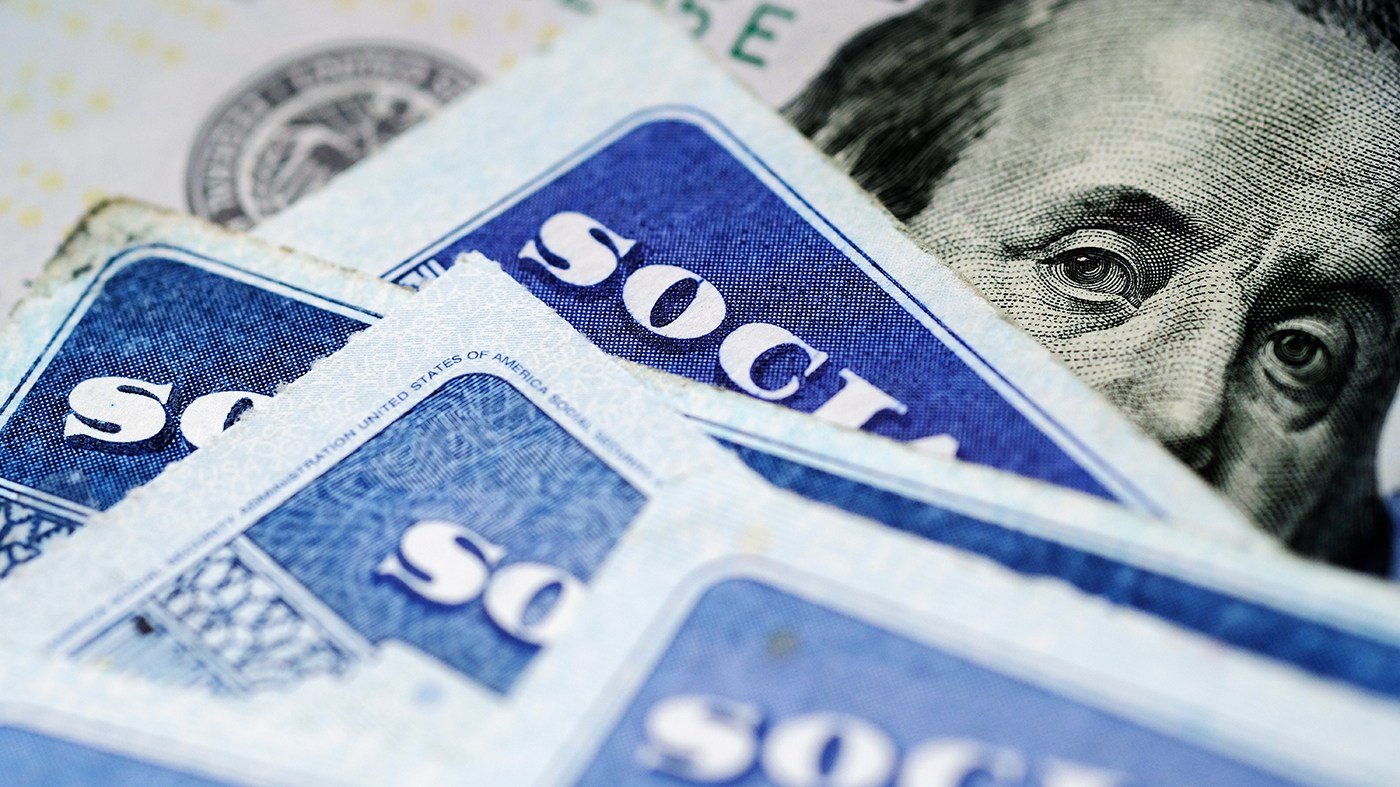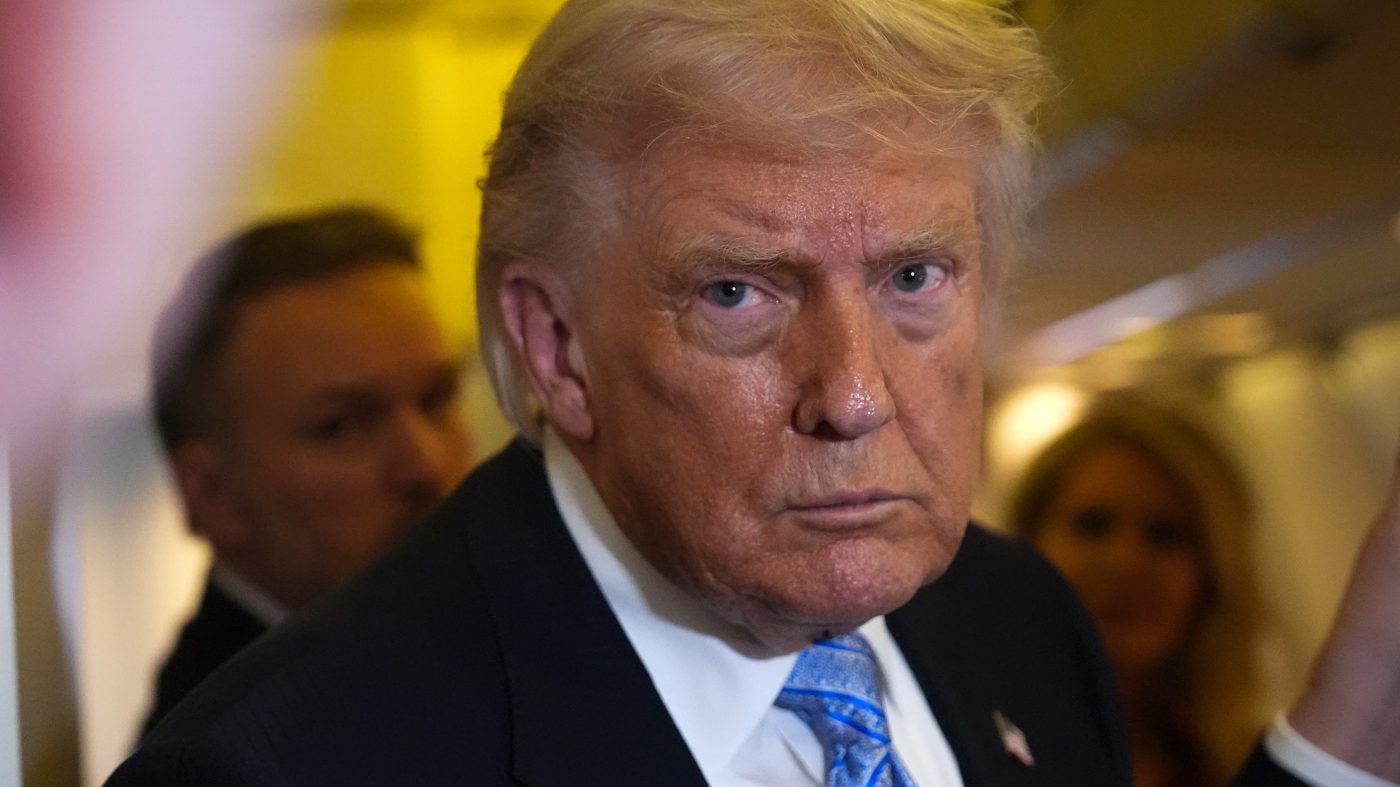
President Donald Trump signed an executive order Tuesday compelling financial institutions to intensify scrutiny of their customers' citizenship status, advancing a key campaign promise to target undocumented immigrants. The directive tasks the Treasury Department with issuing formal advisories to banks, detailing specific indicators that should raise alarms.
The order outlines several red flags, including payroll tax evasion, attempts to conceal identity, the strategic use of unregistered money services businesses or third-party payment platforms, labor trafficking, forced labor, and the use of Individual Taxpayer Identification Numbers (ITINs) to obtain credit or open accounts. Trump stated in the order, 'My Administration will not tolerate national security and public safety risks caused by illicit cross-border financial activity, nor will it permit risks to our financial system posed by the extension of credit or financial services to the inadmissible and removable alien population.'

Tax experts warn the order will disproportionately affect Deferred Action for Childhood Arrivals (DACA) recipients and immigrants with Temporary Protected Status (TPS), many of whom rely on ITINs for banking. The move stops short of a more controversial proposal requiring banks to collect citizenship data outright, which Treasury Secretary Scott Bessent had indicated was 'in process' as recently as April. Bessent argued, 'Why don't we have information on who's in our banking system?' drawing comparisons to UK banking rules.
Banking executives and lobby groups have pushed back, warning the directive could be costly, disruptive, and drive millions of people out of the formal financial system. Ed Mills, a Washington policy analyst at Raymond James, cautioned, 'This would have removed a lot of individuals from the financial system, which could create a national security risk as well.' The order also directs the Treasury secretary to work with regulators on proposing changes to the Bank Secrecy Act to strengthen customer due diligence requirements.
The directive specifically flags photo documents issued by foreign embassies and consulates to citizens living abroad as a risk to the financial system's integrity. This executive order comes amid broader tensions, including Trump's confirmation of G7 attendance despite rising rifts with allies, and follows a pattern of aggressive policy moves that have drawn both support and criticism from GOP lawmakers.
Critics argue the order could exacerbate political divisions, especially as GOP support for Trump's economy drops 15 points amid inflation. The administration's stance on immigration enforcement remains a flashpoint, with this order representing a significant escalation in leveraging the financial system for immigration control.