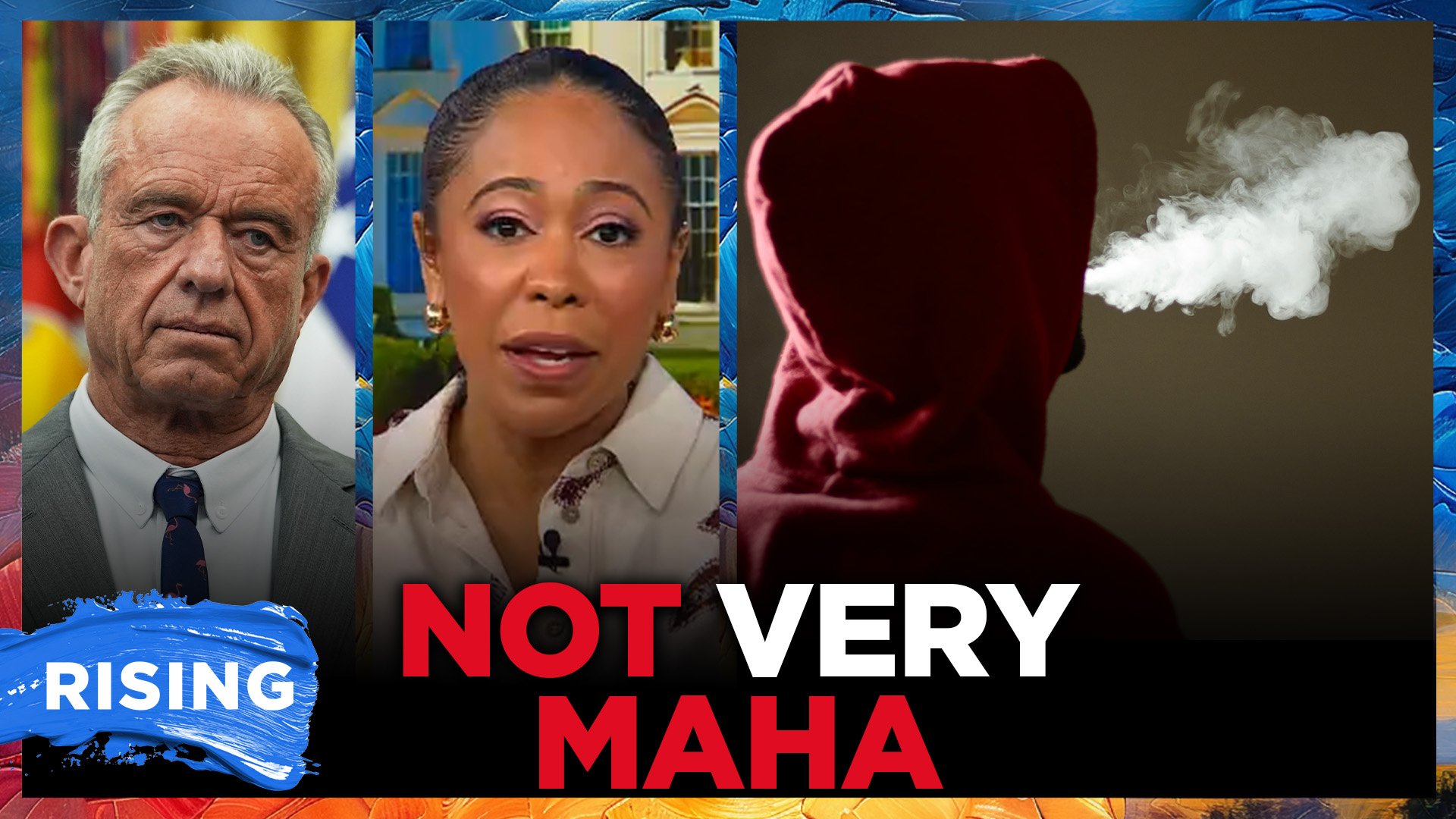
The Food and Drug Administration's latest policy shift on flavored vaping products is drawing sharp criticism from public health advocates, who argue it directly undermines the administration's stated goal to "Make America Healthy Again." This month, the agency authorized the first-ever fruit-flavored vapes and signaled it would deprioritize enforcement against unauthorized products already on the market.
Proponents, including some in the Trump administration, contend these products help adult smokers quit traditional cigarettes. But the data tells a different story for younger Americans. According to the Centers for Disease Control and Prevention, roughly 10 to 14 percent of high school students—millions of teenagers—are currently using e-cigarettes, many drawn by flavors like mango, blueberry, cotton candy, and mint.

Critics describe the marketing tactics as a rerun of the old Joe Camel campaigns: bright colors, candy-like flavors, and influencer-driven branding that makes vaping look like a tech accessory rather than a nicotine delivery system. "This isn't about helping adults quit; it's about hooking a new generation," said one former FDA official.
The internal fallout has been dramatic. Reports indicate FDA Commissioner Marty Makary was ousted partly over his opposition to approving fruit-flavored e-cigarettes, citing youth risks. Robert F. Kennedy Jr.'s senior spokesperson resigned, warning that the products "would appeal to children and expose them to nicotine addiction, lung damage, and higher risk of cancer."
The political timeline raises red flags about interference. According to NBC News and The New York Times, tobacco executives and lobbyists met with President Trump at a lunch in Jupiter, Florida, earlier this month, complaining about barriers to broader flavored vape sales. Shortly after, Trump personally called top health officials, expressing frustration over blocked approvals. The FDA then issued its new guidance and approved the fruit-flavored products.
This sequence has fueled concerns that industry pressure is trumping public health. "When people inside your own administration are walking away over a policy, that tells you this isn't just routine disagreement," noted one commentator. "This is a major fight over what public health is supposed to mean."
The controversy echoes similar battles over youth protection. In a related move, the FDA scrapped a proposed ban on minors using tanning beds, despite research linking childhood use to sharply higher melanoma risk. Critics see a pattern: the administration talks about protecting children while rolling back safeguards. Some lawmakers are now pushing for legislative fixes, such as a Senate panel's unanimous bill to restrict AI chatbots for children, but vaping remains a flashpoint.
Public health experts worry the country is moving backward on an issue that once enjoyed bipartisan consensus. "Nobody is saying adults can't make their own decisions," said one advocate. "But protecting children from industries built around addiction and long-term health risks used to be something both parties agreed on."
The administration's next moves—and whether additional resignations follow—will determine if this becomes a defining test of the MAHA agenda or a retreat from its core promise.