Federal inflation figures released in May confirm what shoppers already know: the cost of putting food on the table is climbing fast. Grocery prices rose 2.9% in April compared to the same month last year, marking the sharpest annual increase since August 2023. And economists are warning that this is just the beginning.
Tomatoes have been hit hardest among produce items, now 40% more expensive than last spring. A combination of poor growing weather, tariffs, and rising fuel costs is behind the spike, according to the New York Times. Coffee, another imported staple, is up 19% year-over-year.
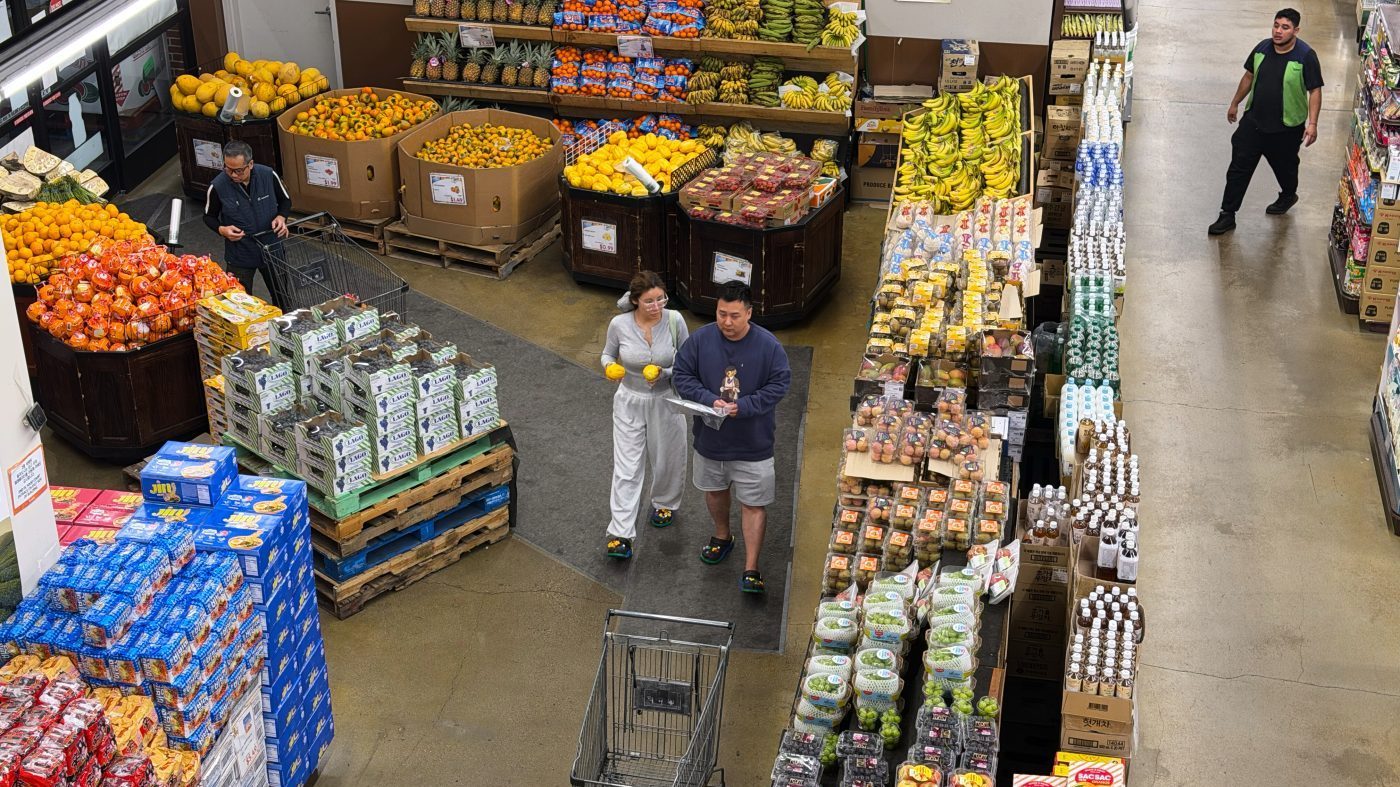
At the butcher counter, meat prices are up 9% overall, with beef leading the surge. Ground beef is about 15% pricier, beef roasts are 18% more expensive, and steak has jumped 16%. Drought conditions in the West are squeezing cattle ranchers, driving up costs that are passed directly to consumers.
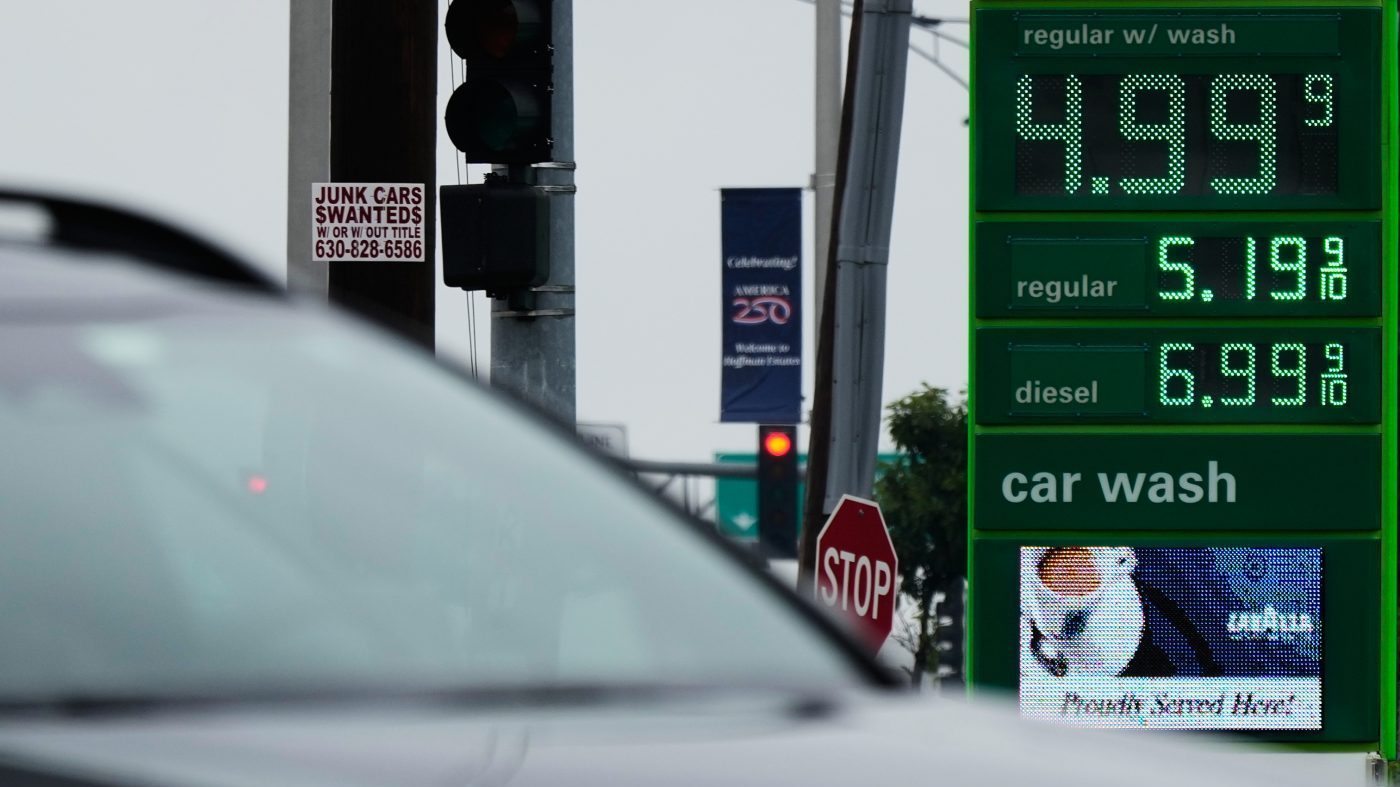
The primary culprit behind these increases is energy. Fuel prices have soared as the conflict with Iran blocks cargo ships from transiting the Strait of Hormuz, a critical chokepoint for global oil supplies. Diesel powers the fishing boats, tractors, and trucks that move 83% of U.S. agricultural products. As gas prices surpass $4 nationwide, truckers are facing fuel surcharges from vendors and suppliers, adding another layer of cost to every delivery.
Purdue University economists Ken Foster and Bernhard Dalheimer caution that the full impact of rising energy costs has not yet reached retail grocery prices. Higher expenses for producing, processing, storing, and transporting food can take three to six months to show up on supermarket shelves, they note. “Most of what we’re seeing now in the food price chain probably predates the conflict,” Foster said. “We’re cautiously waiting to see what the June numbers and the May numbers might show… the extent to which energy shocks in the Strait of Hormuz and shipping blockades are going to impact food prices.”
Economist Justin Wolfers, speaking on MS Now, described the situation bluntly: “The big story right now is oil, the next story is food.” He explained that fuel price hikes are “the rock hitting the pond,” with ripples spreading to jet fuel, air freight, and ultimately the cost of trucking groceries to stores. If fuel remains elevated, Foster warns that problems could “seep down the supply chain,” making fertilizer more expensive since about 30% of the world’s supply moves through the Strait of Hormuz. That would raise costs for farmers, who would eventually pass them on to consumers.
There is one bright spot: eggs are 39% cheaper than last year, thanks to recovery from the avian flu crisis. But overall, the persistent combination of tariffs and war is keeping price pressures high, and experts see no immediate relief on the horizon.