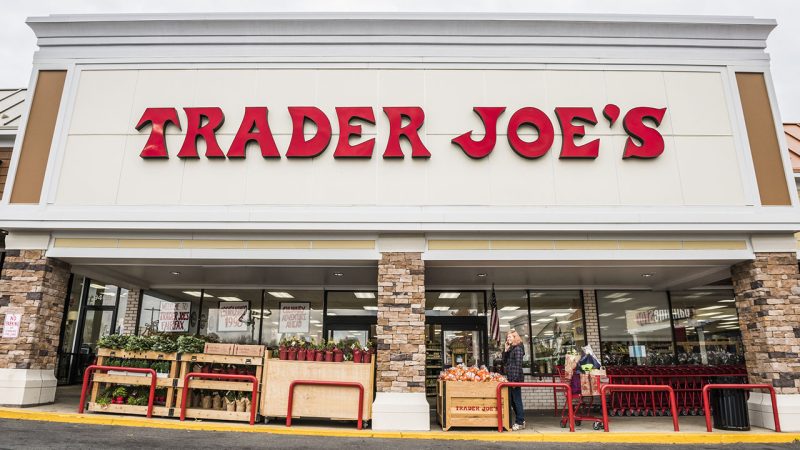
Trader Joe's, recently crowned America's favorite grocery store in a consumer survey, is accelerating its expansion with plans to open at least 25 new locations this year. The company confirmed nine additional stores on Wednesday, bringing the total number of announced openings to 27, though two have already opened.
The newly announced stores, which lack specific opening dates, span nine communities across seven states: Phoenix, Arizona; Sarasota, Florida; Chicago, Illinois; Quincy, Massachusetts; Farmington Hills, Michigan; Syracuse and Yonkers, New York; University Heights, Ohio; and West Jordan, Utah. These sites join 18 previously announced locations from early April, 16 of which remain listed as "coming soon" on the company's website.
Controlled Growth Strategy
Trader Joe's marketing executives Tara Miller and Matt Sloan have emphasized that the company's expansion is deliberate and data-driven. In an episode of the "Inside Trader Joe's" podcast, they explained that the chain seeks sites meeting strict criteria for population density, traffic patterns, and parking availability. "Our decisions, they're business decisions," Miller said. "We're excited when people are excited about us, but that's really not what's driving the decisions about what brings a Trader Joe's."
The company also avoids repurposing former chain grocery stores, arguing that such spaces wouldn't feel like a Trader Joe's. This approach reflects a broader trend in retail where niche grocers prioritize brand identity over rapid expansion, even as the broader grocery market faces consolidation.
Geographic Footprint
Trader Joe's currently operates in 42 states, leaving eight states without a store: Alaska, Hawaii, Mississippi, Montana, North Dakota, South Dakota, West Virginia, and Wyoming. The new openings do not mark entry into any new states, instead deepening its presence in existing markets. This strategy aligns with the company's focus on suburban and exurban locations, where population density supports its smaller-format stores with limited parking.
The expansion comes amid broader economic pressures on consumers, including rising grocery prices and housing costs. A recent analysis found that California and Texas dominate the list of America's most overpriced housing markets, which may influence where grocers like Trader Joe's choose to invest. Meanwhile, the chain's controlled growth contrasts with the rapid expansion of discount grocers such as Aldi and Lidl, which have aggressively targeted price-sensitive shoppers.
Political and Economic Context
Trader Joe's expansion also touches on broader debates about corporate influence and consumer behavior. As the company grows, it faces scrutiny over its labor practices and supply chain decisions, which have become flashpoints in the therapy culture reshaping American politics. Additionally, the chain's reliance on imported products, including its popular orange chicken, highlights vulnerabilities in global supply chains that have been a focus of trade policy debates.
While Trader Joe's has not disclosed whether the new stores will sell alcohol, details are available on its website. The company's steady expansion suggests confidence in consumer demand, even as inflation and geopolitical tensions—such as those seen in UK election chaos serving as a warning for America's political divide—create uncertainty in the broader economy.