Americans are only slightly more satisfied with their political system than South Africans—a startling comparison given that South Africans are roughly half as safe and a tenth as wealthy. That's the takeaway from the latest Pew Research Center data, which shows U.S. discontent rivaling nations plagued by poverty and corruption.
While residents of comparable wealthy nations like the Netherlands, Australia, and Sweden express broad satisfaction with their governments, 77% of Americans say the U.S. system needs “major changes” or “complete reform.” Such numbers are typically seen only in countries like Kenya and Brazil, where daily life is marked by violence and graft.
Some analysts attribute this to a “princess and the pea” syndrome: Americans, accustomed to relative stability, now feel every political irritant as a boulder. Others point to a deeper crisis of purpose. Decades of peace and prosperity have coincided with a decline in individual meaning, and radical politics offers a cheap sense of belonging.
That dynamic has fueled widespread alarm. In February, 91% of Democrats, 61% of Republicans, and 80% of independents told pollsters America faces “a serious threat to the future of our democracy.” Unsurprisingly, partisans blame the other side. But independents—the largest voting bloc—see both parties as the threat. And they may be right.
Republicans attempted to overturn the 2020 election. Democrats responded by pushing to nationalize election rules to their advantage. When Republicans regained power, they did the same. Now both parties are locked in a battle to gerrymander congressional maps nationwide, amplifying or muffling certain voters. No wonder 84% of independents say the U.S. is in a “political crisis.”
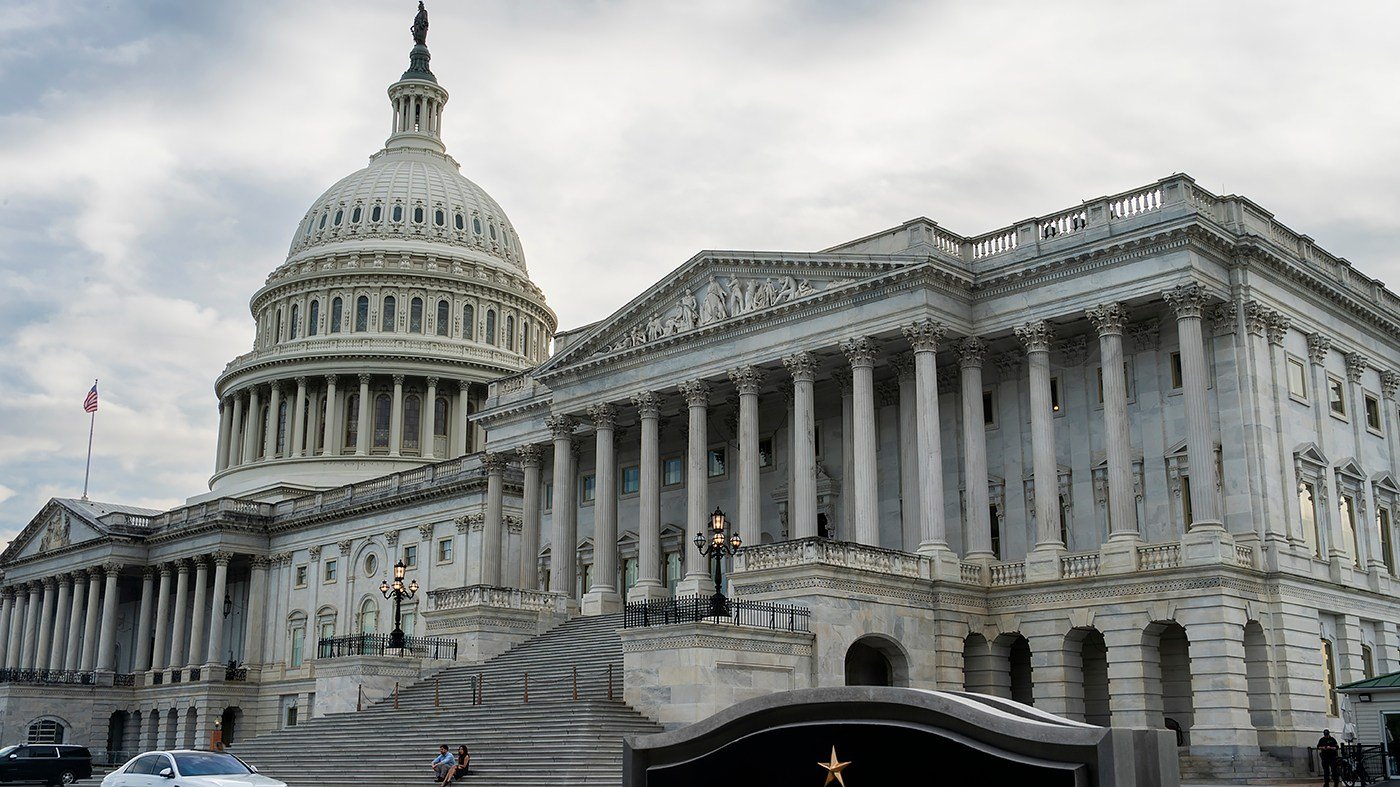
This is the reality of a dysfunctional two-party republic. The primary system and strict ballot access rules mean that while a plurality of voters identify as independents, only the two major parties have viable paths to power. When the system works, parties force internal debates before imposing them on the public. But today, gridlock doesn't foster compromise—it fuels perpetual conflict.
Americans have effectively built a parliamentary system where no major issue can be addressed unless one party controls both Congress and the White House. The incentives of primaries punish bipartisanship, so the country lurches from one wave election to the next, resetting for another round of party-line policies. The result: two parties, neither competent to govern alone nor willing to cooperate.
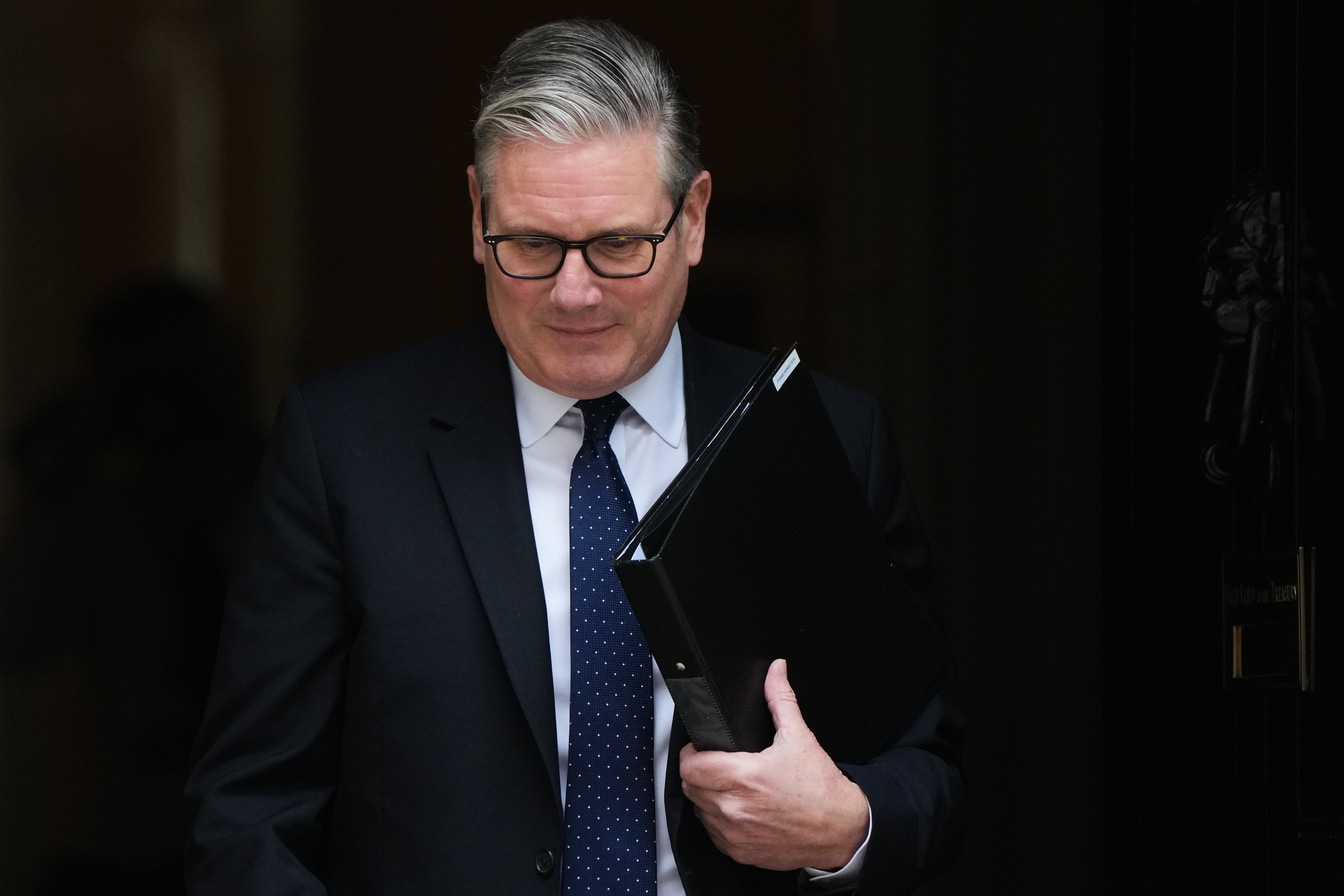
The UK offers a cautionary tale. It's been 15 years since Britain had a stable government. After David Cameron's failed Brexit gamble, the Conservatives cycled through four prime ministers. Last week's local elections were expected to punish Labour and boost the Tories. Instead, Labour suffered historic losses—but the Reform Party on the right and the Greens on the left gained ground. Forecasters now predict five or six parties will win significant seats in the next national election, potentially ending the post-war two-party consensus.
For U.S. leaders, the lesson is clear: when parties fail to govern, voters will abandon them—but not necessarily for the other major party. The growing appetite for alternatives mirrors the fragmentation seen in Britain. As one analyst noted, each “vibe shift” convinces independents that the system is seesawing out of control. The question is whether America's political class will heed the warning before it's too late.
Recent polling underscores the urgency: 72% of Americans say money dominates politics, a bipartisan concern that cuts across party lines. Meanwhile, pro-democracy coalitions demand structural reforms to address the crisis. For now, the U.S. remains stuck in a cycle of mutual distrust and institutional decay—a cycle that, as the UK shows, can unravel faster than anyone expects.