Senate Republicans are pushing back against President Trump's threats of military action against Cuba, urging the administration to keep its focus on the ongoing conflict with Iran rather than opening a new front in the Caribbean.
GOP lawmakers argue that the U.S. military is already stretched thin by operations in Iran, which have dragged on far longer than the four to five weeks Trump initially predicted. With midterm elections approaching and voters growing increasingly frustrated with the war's toll on the economy, Republicans say the administration should not be contemplating another military intervention.
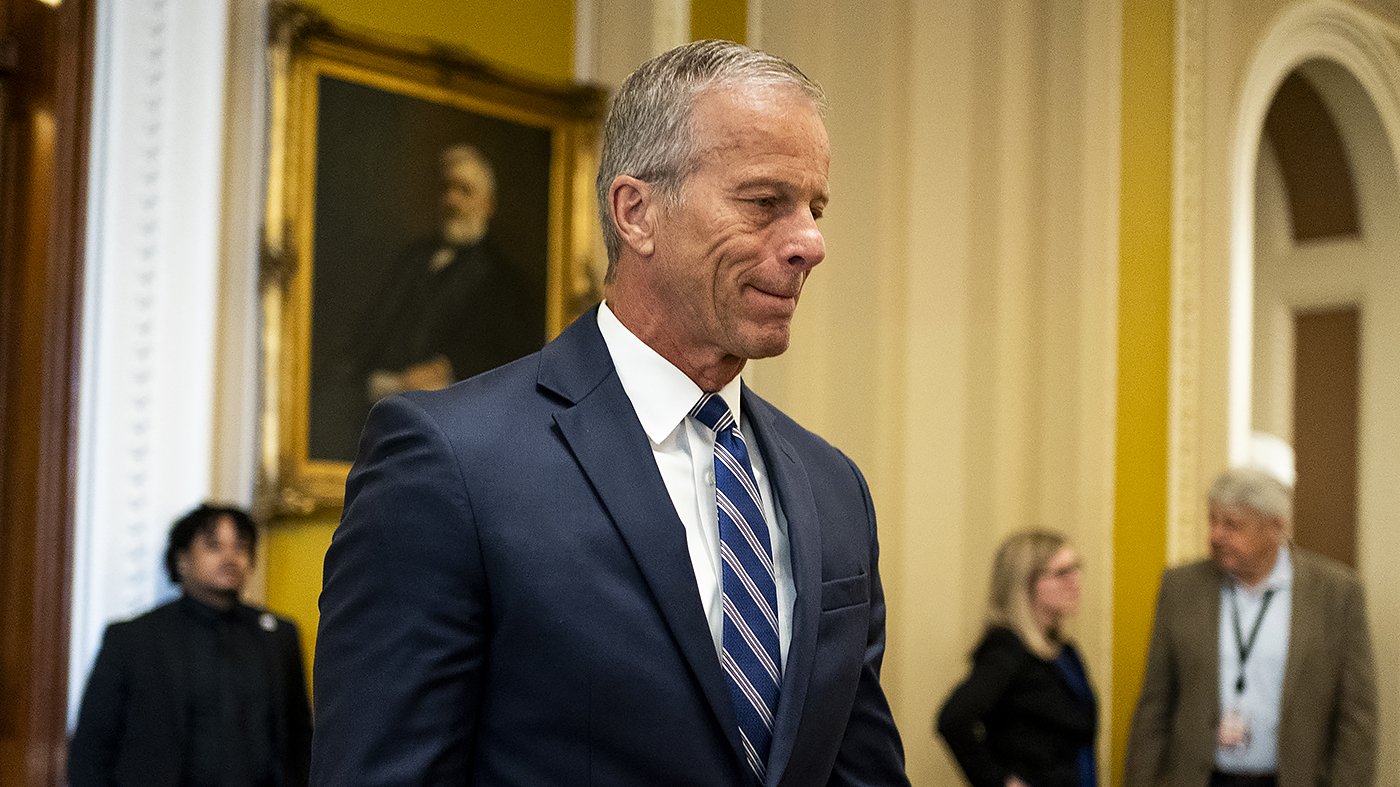
Senate Majority Leader John Thune (R-S.D.) made clear that the top national security priority remains resolving the crisis in the Strait of Hormuz, where shipping has slowed dramatically, driving up global energy prices and pushing U.S. gas costs higher. “I think right now we’re focused on where we are and that is trying to get the Strait of Hormuz opened up,” Thune said Monday.
While Thune said he would “love” to see Cuba’s socialist government fall, he expressed a preference for that change to happen “organically” through tightened economic sanctions and the existing naval blockade. “Maybe that happens just by force of events,” he added, pointing to global pressures on authoritarian regimes.
Sen. James Lankford (R-Okla.), vice chair of the Senate Republican Conference, flatly rejected the idea of military strikes against Cuba. “No, I would not,” he said when asked if he would support such an operation. Instead, Lankford argued that “a lot of economic pressure you can put on Cuba makes a big difference by itself.”
Sen. Steve Daines (R-Mont.), who recently led a bipartisan congressional delegation to China, said he trusts Trump and Secretary of State Marco Rubio on national security decisions but prefers reducing U.S. involvement in foreign conflicts. “At this point I think I’d rather see less conflict than more given what’s going on in the world,” Daines noted, even as he acknowledged that Cuba sits “in our backyard.”
Senate Appropriations Committee Chair Susan Collins (R-Maine) answered with a simple “no” when asked about supporting military action against Cuba. Sen. Rand Paul (R-Ky.) was equally blunt: “I want less war, not more. I’m not for a war with Cuba.” Paul suggested Havana might be open to economic reforms and U.S. investment, citing conversations with the Cuban ambassador.
Sen. Shelley Moore Capito (R-W.Va.), chair of the Senate Republican Policy Committee, downplayed the likelihood of strikes, saying Cuba is “way down the list, even if it’s on a list.” She insisted the administration must “concentrate on what’s going on in Iran.”
The warnings come as Trump dismissed an Iranian peace proposal as a “piece of garbage” and warned the fragile ceasefire is on “life support.” The president has raised the prospect of the conflict lasting weeks or months longer, even as congressional officials expect the Pentagon to burn through the $150 billion allocated in the One Big Beautiful Bill Act by the end of 2026—funding originally projected to last over four years. The administration’s military posture has also fueled speculation of a surprise operation against Cuba, similar to the capture of Venezuelan President Nicolás Maduro in January, with the Navy and Air Force ramping up intelligence flights off the island’s coast.
For now, Senate Republicans are making clear that opening another military front would be a mistake, especially with the Iran ceasefire hanging by a thread and the midterm election looming as a referendum on the war's economic impact.