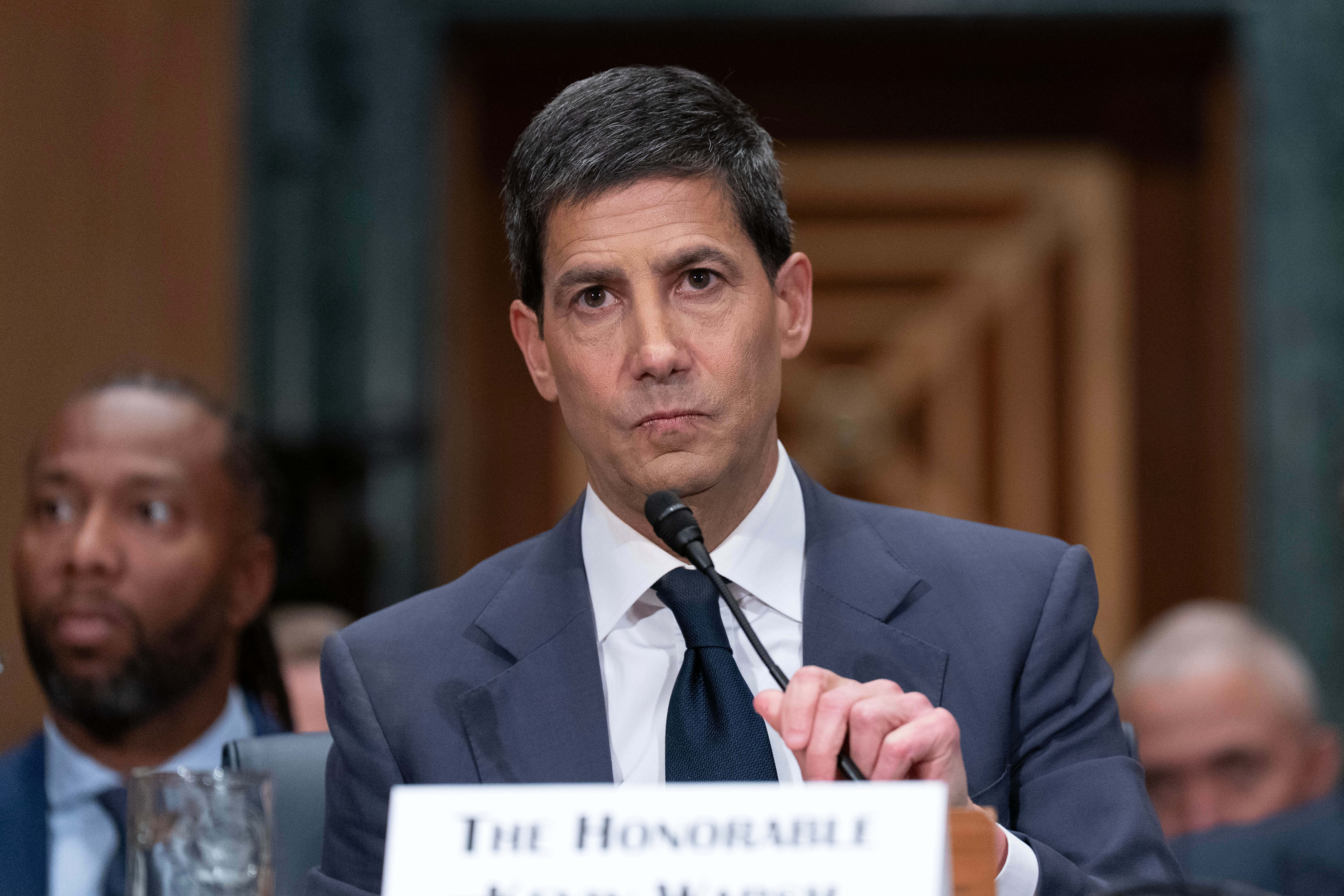
The Senate voted Monday to advance Kevin Warsh's nomination to the Federal Reserve Board of Governors, positioning the former Fed governor to take over as chairman later this week. The 49-44 procedural vote, largely along party lines, paves the way for a final confirmation vote that would install Warsh as the central bank's top official, replacing Jerome Powell when his term expires on May 15.
Only two Democrats—Sens. John Fetterman of Pennsylvania and Chris Coons of Delaware—voted to advance Warsh's nomination. No Republican opposed the move, reflecting the partisan dynamics that have shaped the confirmation process. The Senate Banking Committee had earlier approved Warsh by a 13-11 party-line vote last week.
Warsh, 55, served as a Fed governor from 2006 to 2011 and built a reputation as an inflation hawk during his tenure. In his confirmation hearing, he emphasized the importance of preserving the central bank's independence, pushing back on questions about whether he would bow to White House pressure on interest rates. "I did not make a deal with the president" on rates, Warsh told lawmakers, seeking to reassure skeptics that he would not politicize monetary policy.
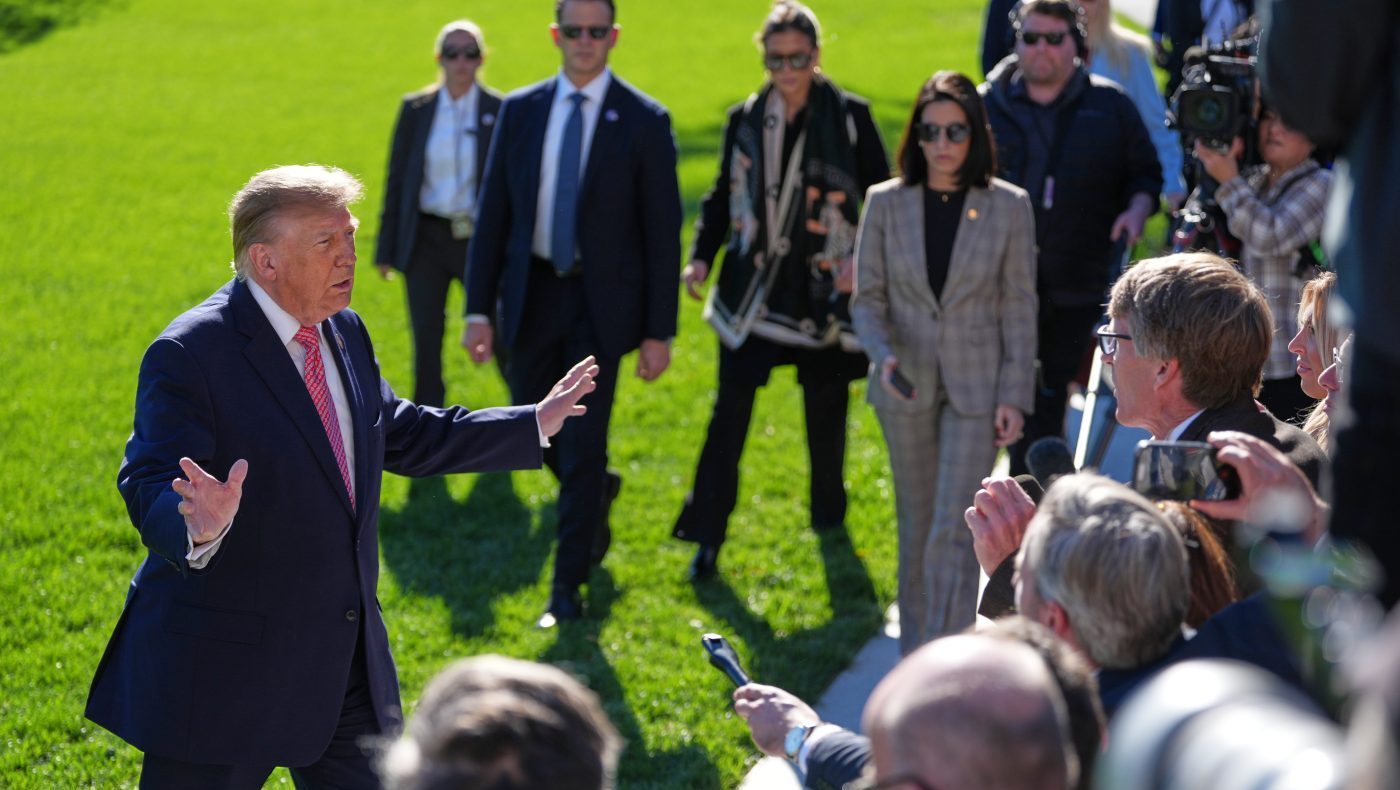
His cautious stance on cutting interest rates this year stands in contrast to President Trump's repeated demands for lower borrowing costs. Warsh has signaled he will prioritize data-driven decisions, a posture that could put him at odds with the administration if economic conditions warrant tighter policy. The tension echoes the conflicts that marked Powell's tenure, as Trump publicly criticized the current chair for not slashing rates fast enough.
Warsh's nomination faced a delay earlier this year when Sen. Thom Tillis (R-N.C.) held up all Fed nominees in committee. Tillis had demanded the Justice Department drop its investigation into Powell, which he called a politically motivated probe. Federal prosecutors ended the investigation late last month, clearing the way for Tillis to support Warsh in committee.
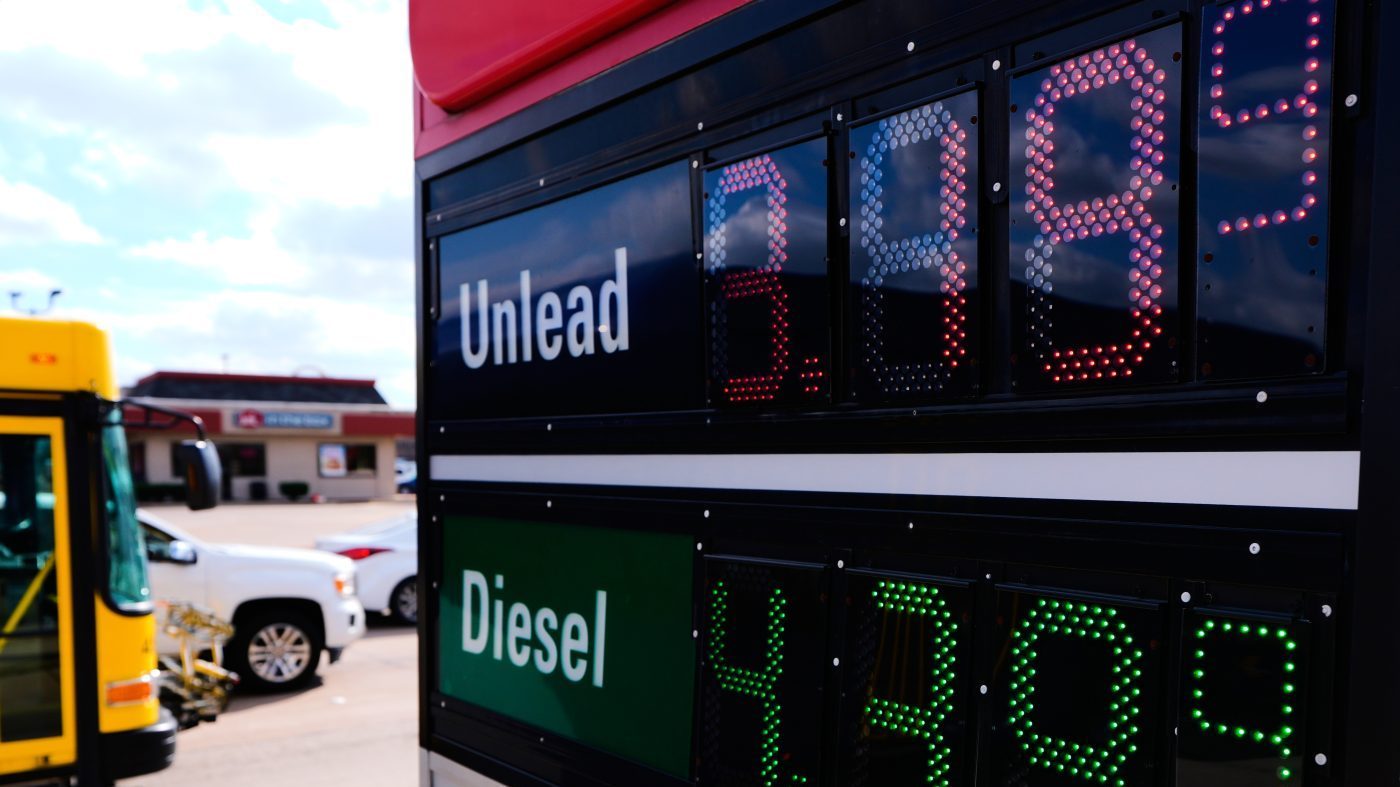
Powell will remain on the Fed's board of governors through January 2028, even after stepping down as chair. His tenure has been defined by clashes with Trump over rate policy, particularly as the president has pushed for aggressive cuts to stimulate the economy. The transition to Warsh comes amid a fragile economic landscape, with the administration's trade policies and the ongoing Iran conflict adding uncertainty to the outlook. Meanwhile, Trump has endorsed suspending the federal gas tax as pump prices surge, a move that could further complicate the Fed's inflation-fighting efforts.
The Senate is expected to confirm Warsh later this week, handing Trump a key victory in reshaping the central bank's leadership. The new chair will inherit a Fed grappling with sticky inflation, a tight labor market, and the political fallout from the administration's economic agenda.