Hantavirus pulmonary syndrome (HPS) remains a rare but highly lethal disease in the United States, with a mortality rate of approximately 38% among those who develop respiratory symptoms, according to the Centers for Disease Control and Prevention. The virus, which has circulated for centuries, drew renewed attention after the death of Betsy Arakawa, wife of actor Gene Hackman, and more recently sparked alarm following an outbreak aboard the MV Hondius cruise ship.
The strain implicated in the cruise ship incident is known as Andes virus, a variant of hantavirus that can cause HPS. Unlike most hantaviruses, which are typically transmitted through contact with rodent droppings, urine, or saliva, the Andes strain has demonstrated the ability to spread from person to person. This unusual characteristic has raised concerns among public health officials, though they stress that the overall risk of a widespread outbreak remains low.

Health authorities have been careful to differentiate hantavirus from other infectious threats. In a recent statement, officials emphasized that hantavirus is "not COVID" and is unlikely to spark a pandemic, as noted in a separate report on the CDC's response. The virus's primary mode of transmission remains rodent-related, making certain populations more vulnerable.
Who Is Most at Risk?
Individuals who live in or frequently enter environments with high rodent populations face the greatest risk of exposure. This includes residents of rural areas, particularly those with homes or outbuildings that may harbor mice or rats. Occupations such as farming, pest control, and construction work in rodent-infested structures also elevate risk. The CDC warns that simply sweeping or vacuuming areas with dried rodent droppings can aerosolize the virus, leading to inhalation.
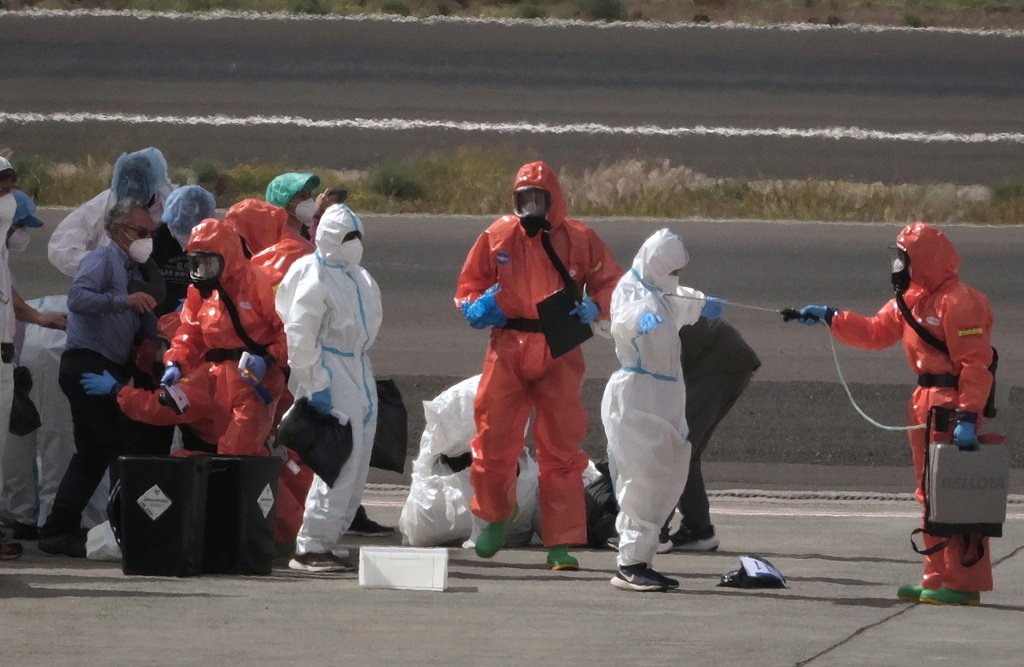
Travelers to regions where Andes virus is endemic, such as parts of South America, may also be at increased risk. The recent cruise ship outbreak, which led to the evacuation of 17 Americans, underscores how the virus can affect those in confined spaces. For more details on the quarantine measures, see this update on U.S. evacuees.
Why Person-to-Person Spread Is Rare but Concerning
While most hantaviruses do not transmit between humans, the Andes strain has shown this capability in limited settings, typically through close contact. However, health officials maintain that the virus is unlikely to cause a large-scale outbreak. In a related analysis, experts explained why hantavirus won't spark a new pandemic, citing its inefficient human-to-human transmission and reliance on rodent hosts.
The CDC advises that prevention focuses on rodent control: sealing entry points, removing food sources, and using traps. Anyone cleaning rodent-infested areas should wear gloves and masks, and avoid dry sweeping or vacuuming to prevent stirring up dust.
Political and Public Health Response
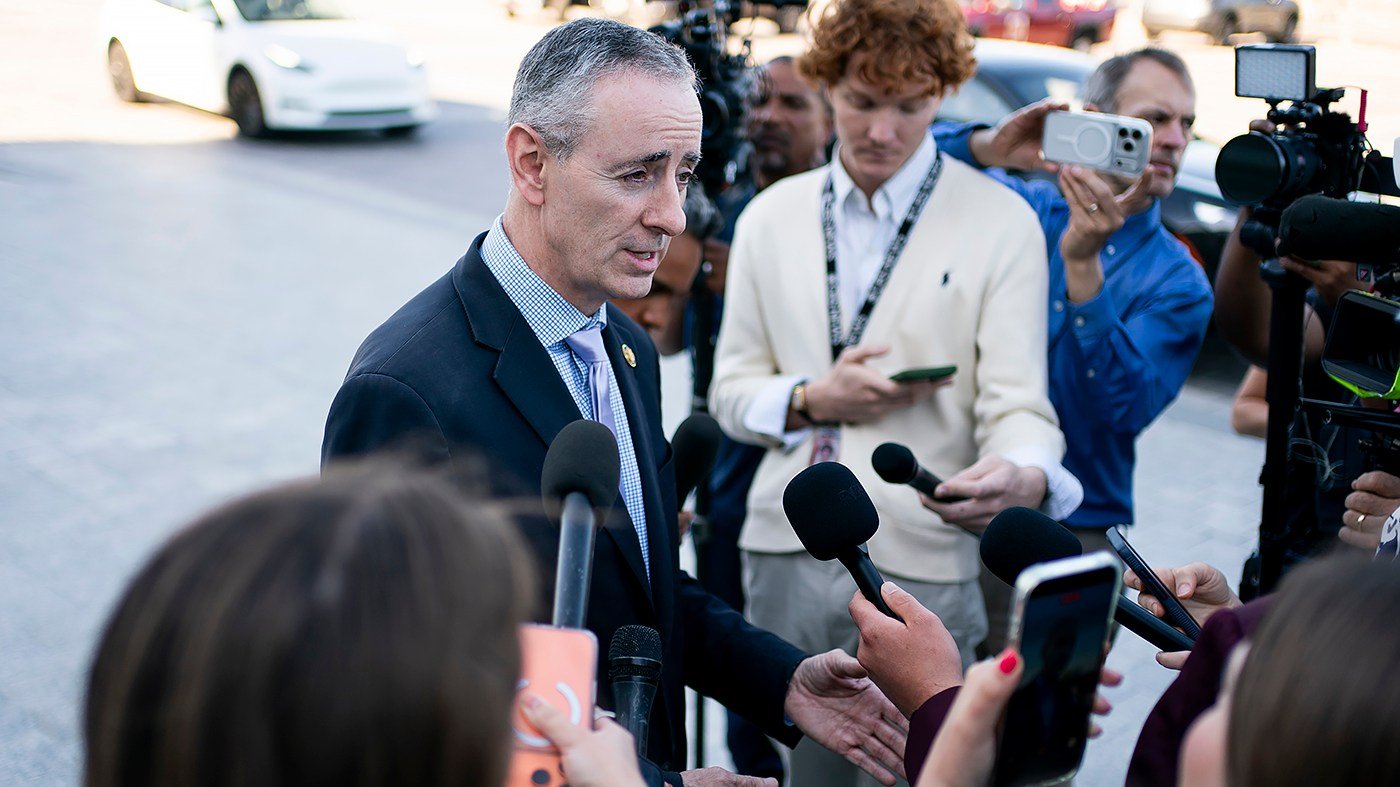
The outbreak has prompted responses from federal health agencies, including the CDC, which is coordinating with cruise lines and international partners. Critics have accused some officials of downplaying the risk, as noted in a report on Kennedy's remarks. However, the consensus among epidemiologists is that hantavirus, while deadly, does not pose a pandemic threat due to its limited transmission dynamics.
For those concerned about exposure, the key takeaway remains: avoid contact with rodents and their habitats. With no vaccine or specific antiviral treatment available, supportive care in a hospital setting is the only option for severe cases.