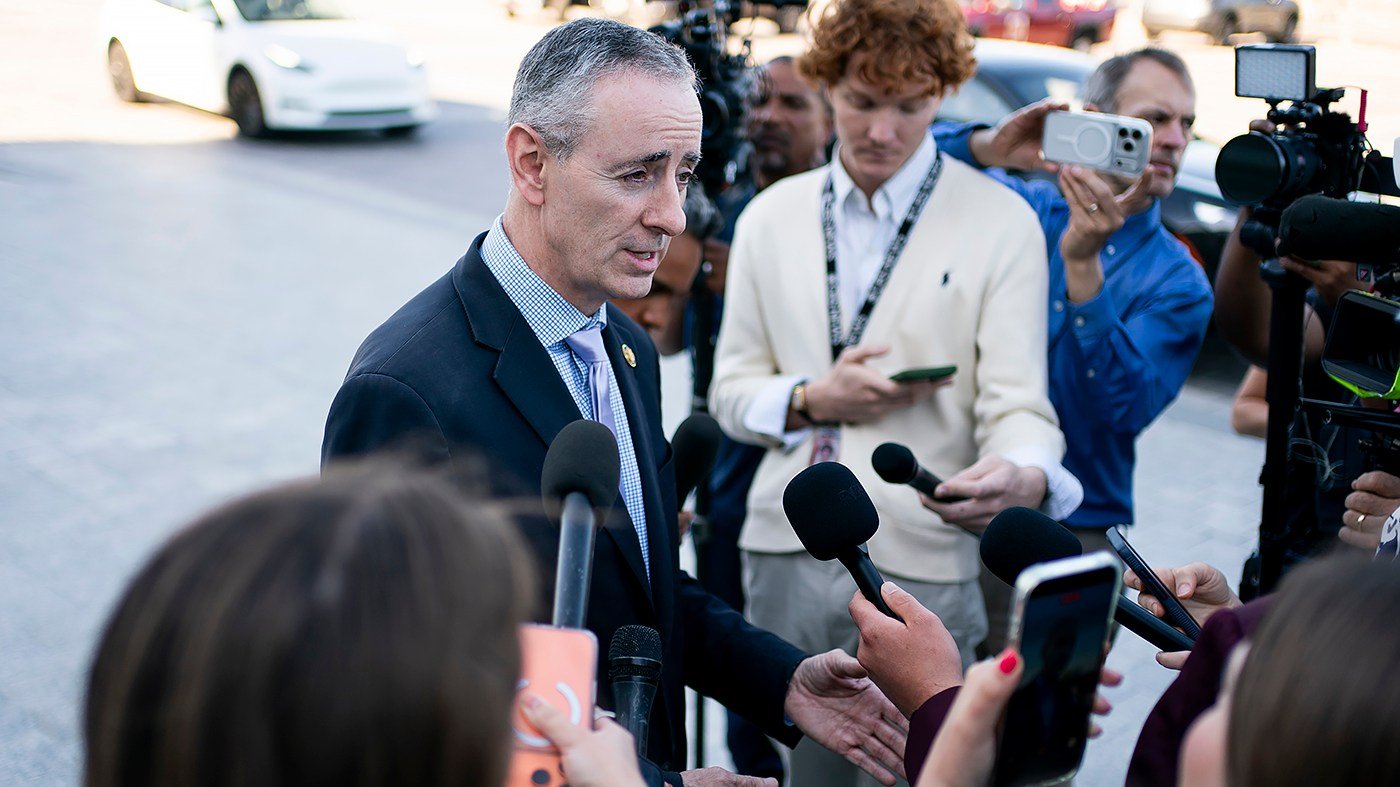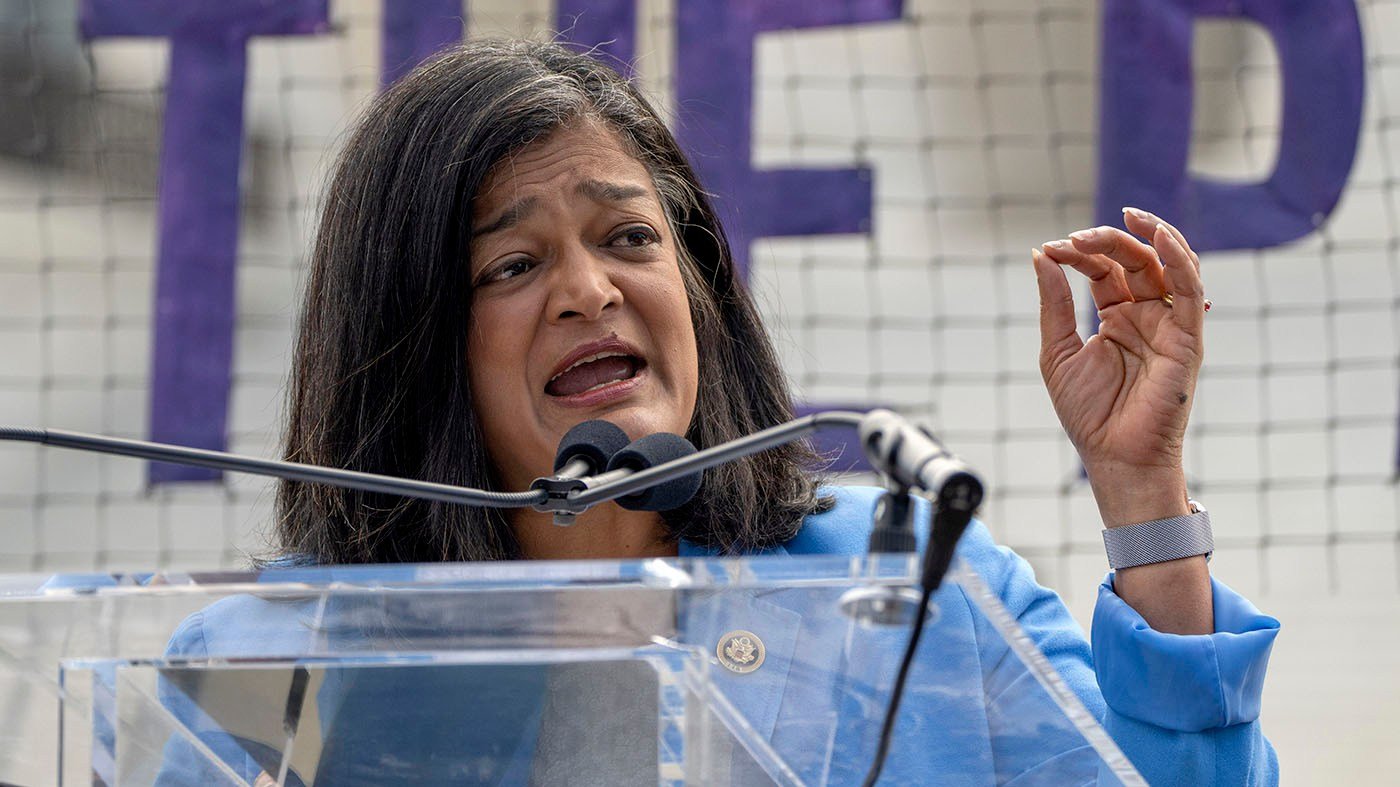
The Trump administration's decision to pull 5,000 troops from Germany, announced May 1, marks the latest blow to the NATO alliance. The move, which came after German Chancellor Friedrich Merz criticized the war in Iran, is part of a broader strategy to weaken U.S. commitments to the transatlantic partnership. A senior defense official told The Washington Post that the goal is to promote "a Europe-led NATO." This follows Trump's statement to The Telegraph last month that he is "strongly considering pulling out of NATO," calling the alliance "a paper tiger" and adding, "Putin knows that too."
Trump reiterated his frustration during an April 8 meeting with NATO Secretary General Mark Rutte. A White House statement, quoted by Politico, said Trump "has zero expectations for NATO at this point." Yet analysts argue that the biggest loser in a NATO breakup would be the United States, not Europe. For Europe, it could be a catalyst to build its own formidable military and diplomatic power.
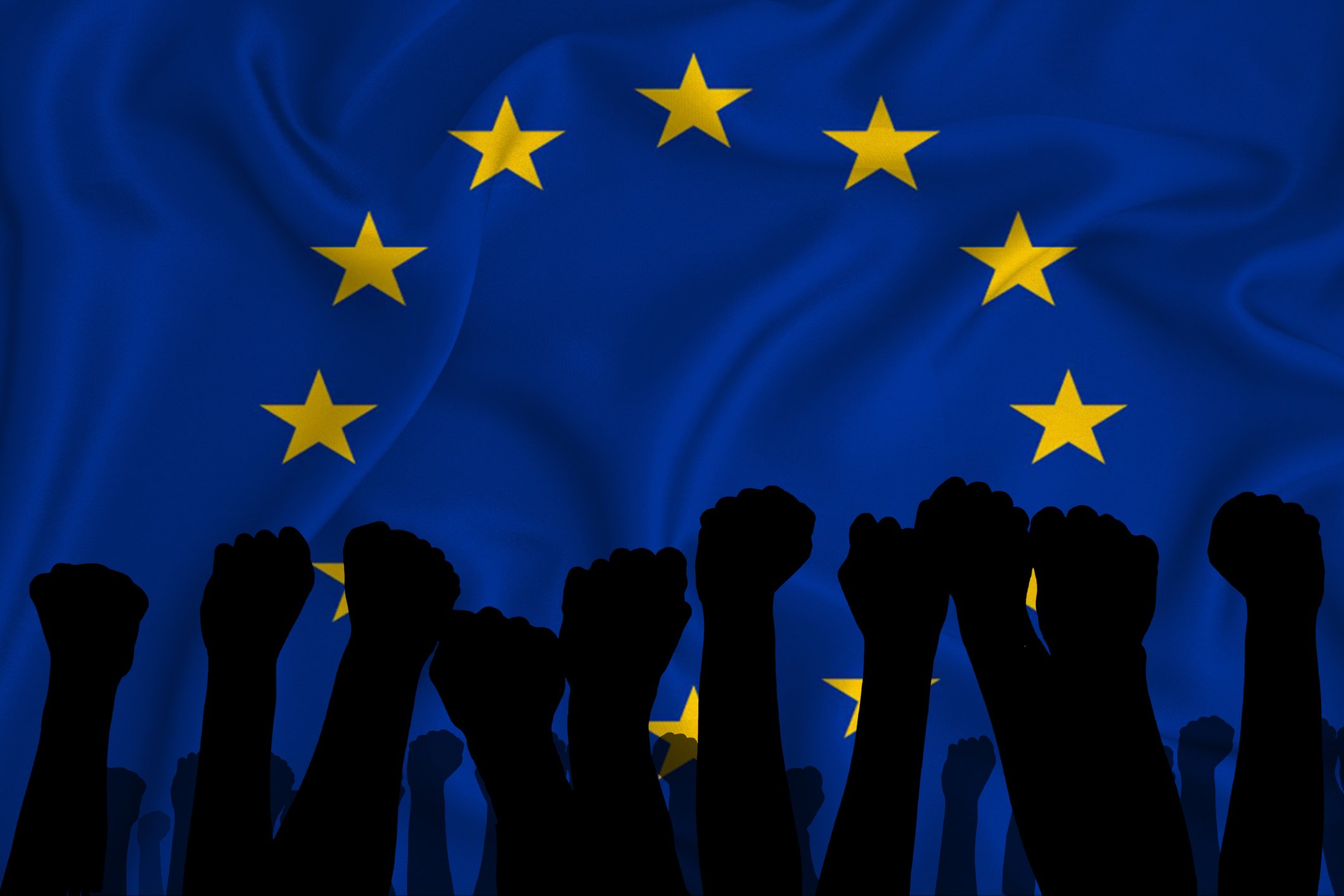
Europe has the resources to become a global heavyweight. Its combined population exceeds that of the U.S., its GDP is roughly $17 trillion, and it already has the world's second-largest military budget. But this won't happen without determined political leadership. European leaders must start weaning themselves from U.S. dependence now.
For 75 years, NATO seemed indestructible. After World War II, it united the West against the Soviet Union, and after the Cold War, it reinvented itself as a pillar for democracy and free markets in Central and Eastern Europe. Post-communist nations sought both NATO and EU membership, embracing "Euro-Atlantic integration." Trump's two terms have changed that trajectory, making NATO's survival uncertain.
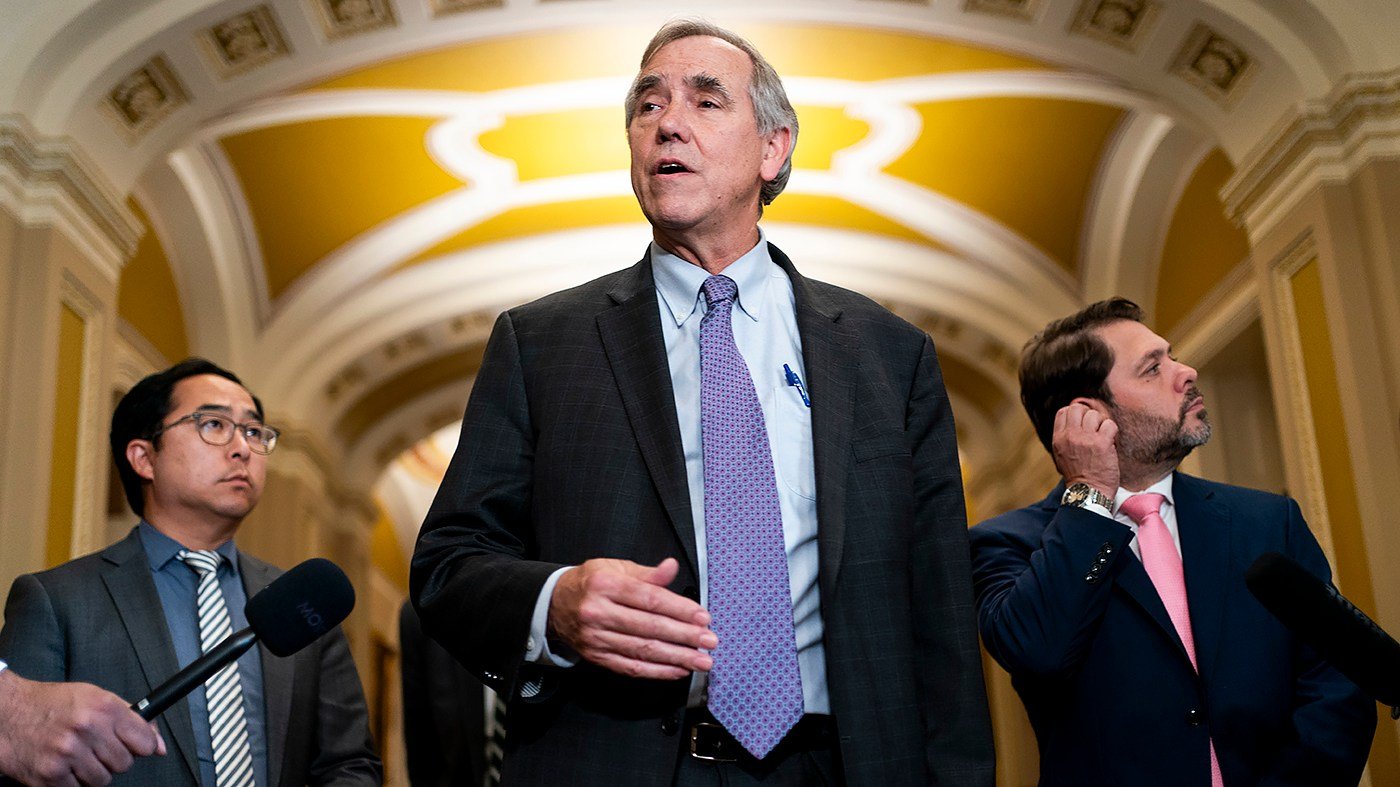
European leaders are already pushing back. French President Emmanuel Macron and others initially rejected Trump's call to forcibly seize the Strait of Hormuz. Merz, after his Conservative Party won last year's election, suggested it might be necessary "to establish an independent European defense capability." European allies have ramped up defense spending, integrated military policy at the EU level, and seen Finland and Sweden join NATO in 2023 and 2024 after Russia's invasion of Ukraine. Some countries are even considering reinstating mandatory military service.
The parallels are not exact, but Europe has seen what happens when a major player goes its own way. After Brexit in 2016, the EU adapted. Georg Riekeles of the European Policy Centre told The Guardian: "The EU as a whole … showed the capacity to rally together around an existential issue. We miss the British, but probably less than we thought." Europe without the U.S. in NATO might say the same thing.
As the Iran conflict hands Xi leverage and Trump heads to a Beijing summit, the U.S. is showing its own vulnerability. A rearmed Europe is a mixed blessing, but Trump is leaving no choice. Europe should not live at the whim of a mercurial leader; it needs to push back with tough rhetoric, as it has already begun.
The administration's willingness to let Europe go its own way is unfortunate for the U.S., but it may be just the incentive Europe needs to assert itself on the world stage. The question now is whether European leaders can seize the moment.