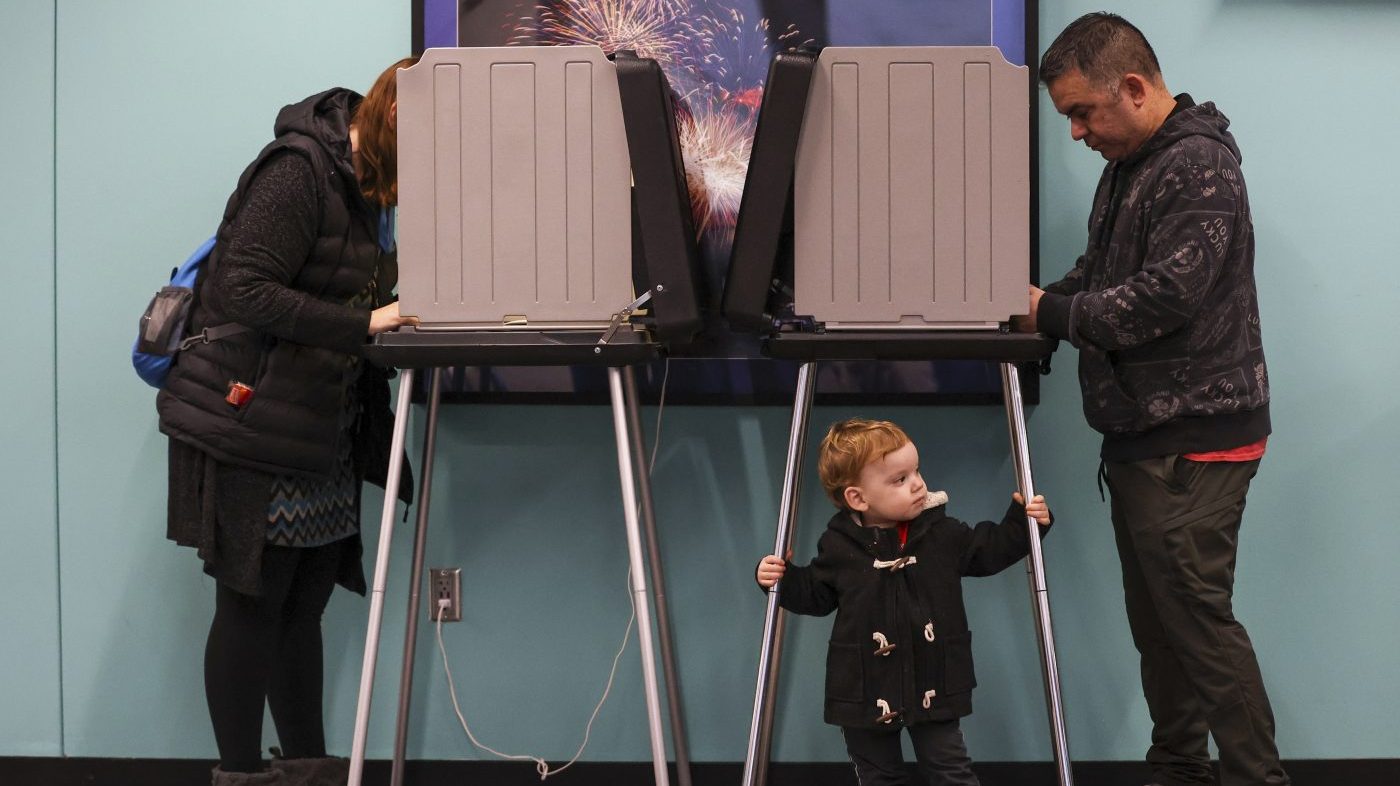
Nebraska's 2nd Congressional District, the state's lone competitive House seat, takes center stage Tuesday as voters in Nebraska and West Virginia head to the polls for primaries that could shape the battle for control of the House this fall. The district, often called the 'blue dot' in a deep-red state, is a top Democratic pickup opportunity after retiring GOP Rep. Don Bacon—one of only three House Republicans elected in districts won by Kamala Harris in 2024—decided not to seek reelection.
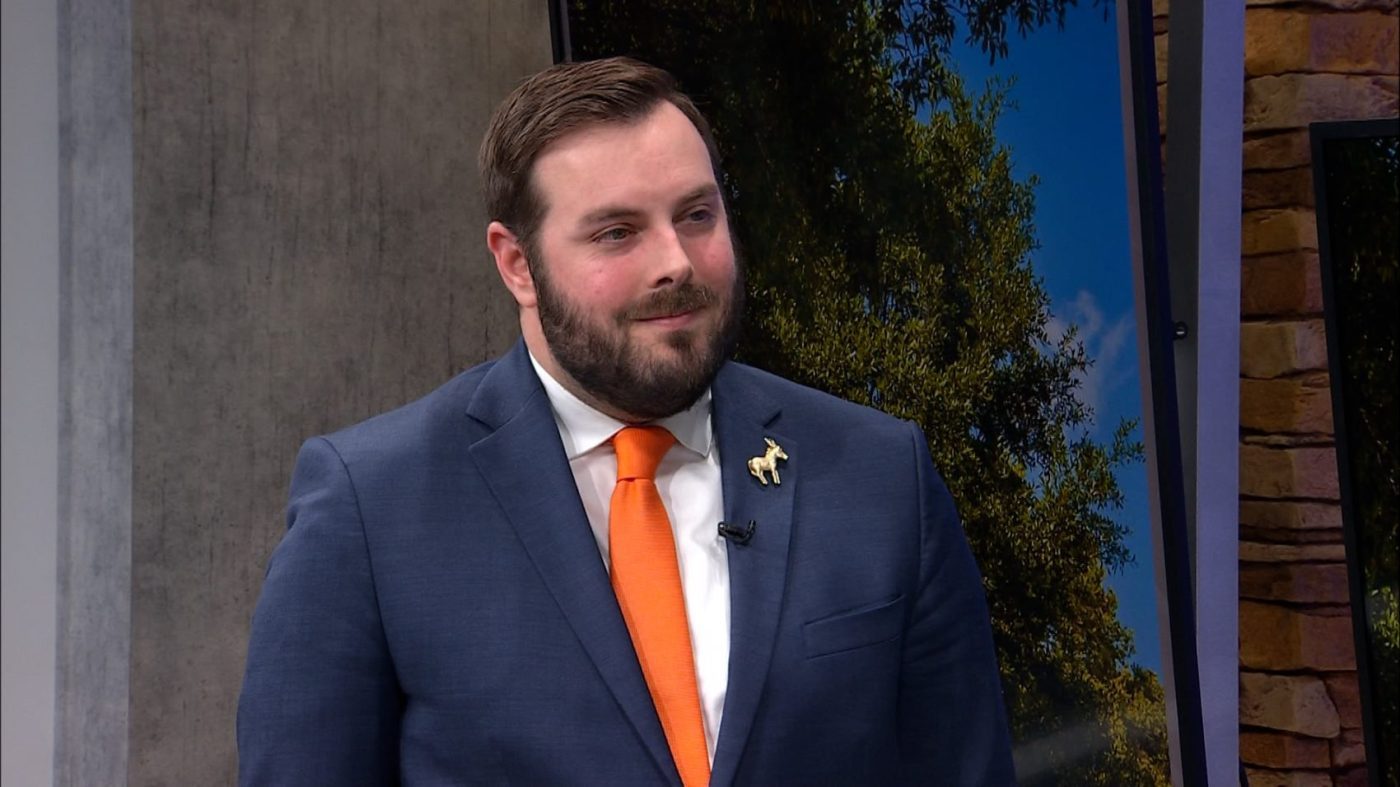
In the Democratic primary, state Sen. John Cavanaugh and political consultant Denise Powell are the leading contenders among six candidates. The race has turned bitter, with negative ads flooding the airwaves. 'They're going at it hard because they know the winner is going to Congress,' said Nebraska-based Democratic strategist Vince Powers. 'It's worth fighting for. They're not fighting for second place in November.' The GOP primary is a one-person contest, with Omaha City Council member Brinker Harding running unopposed.
Geoffrey Skelley, chief elections analyst at Decision Desk HQ, called the district 'probably the Democrats' best pickup shot in a seat that is not redistricted.' He noted that Harris won the district by 4 to 5 points in 2024, and Bacon's retirement makes it even more favorable for Democrats. 'It seems like the general view at this point is that Democrats are more likely to win the seat than not,' Skelley said, though he cautioned against writing off Republican chances entirely.
Nebraska GOP strategist Ryan Horn agreed that Democrats start with an advantage, saying Harris was 'a terrible candidate' and 'a terrible fit for this district,' but still carried it by 5 points. 'It's a D plus 5 or 6 district in a neutral year,' Horn said. 'The only reason people still see it this way is because Don Bacon did a good job holding it and getting reelected every year.'
A third Democratic candidate, Crystal Rhoades, a Douglas County District Court clerk, is viewed as a long shot but could benefit if Cavanaugh and Powell tear each other down. 'She doesn't have much money, but she's a real effective campaigner,' Powers said. 'Her hope is that she sneaks in through the middle.'
Meanwhile, Nebraska's Senate primaries feature a messy Democratic contest that could complicate efforts to boost independent candidate Dan Osborn against incumbent GOP Sen. Pete Ricketts. The Democratic primary includes Cindy Burbank, a retired pharmacy technician who says she will drop out if she wins, and William Forbes, a pastor accused of being a Republican plant. Opponents of Ricketts fear any additional candidate on the general ballot could siphon votes from Osborn, who nearly unseated Sen. Deb Fischer in 2024. 'For Osborn, any vote that goes to a Democratic candidate is siphoning votes that would otherwise probably go to him,' Skelley said, adding that Osborn likely needs Democrats to stay off the ballot to have a real chance.
The Nebraska Democratic Party has sent mailers highlighting Forbes's past GOP support, including voting for Trump multiple times and attending a Republican candidate training. A candidate for the Nebraska Legal Marijuana NOW Party has also faced accusations of receiving contributions from Democrats. Both campaigns deny being 'plants.' Skelley described both primaries as 'a proxy war, of sorts, between Ricketts and Osborn.'
Despite the intra-party tensions, Powers expressed confidence that Democrats would unite by the general election. 'Ultimately, Nebraska is a moderate state, and outside of Omaha and Lincoln, it's a conservative state,' he said. 'By July 4, everybody will be on the same page, and the page is we need a Democratic House.'
The outcomes in Nebraska's primaries will set the stage for a November election that could hinge on control of the House, with the 'blue dot' district as a key battleground. For more on the broader political landscape, see our analysis of the brutal spending battle ahead for House Republicans and the uphill fight Democrats face in Florida's Senate race.