Just days after wrapping up a grueling 2026 appropriations cycle that triggered two extended government shutdowns, House GOP leaders are already pivoting to an even more perilous fiscal battle: funding the government for 2027. This fight is expected to be the last major legislative clash before November’s midterm elections, when control of the House is up for grabs.
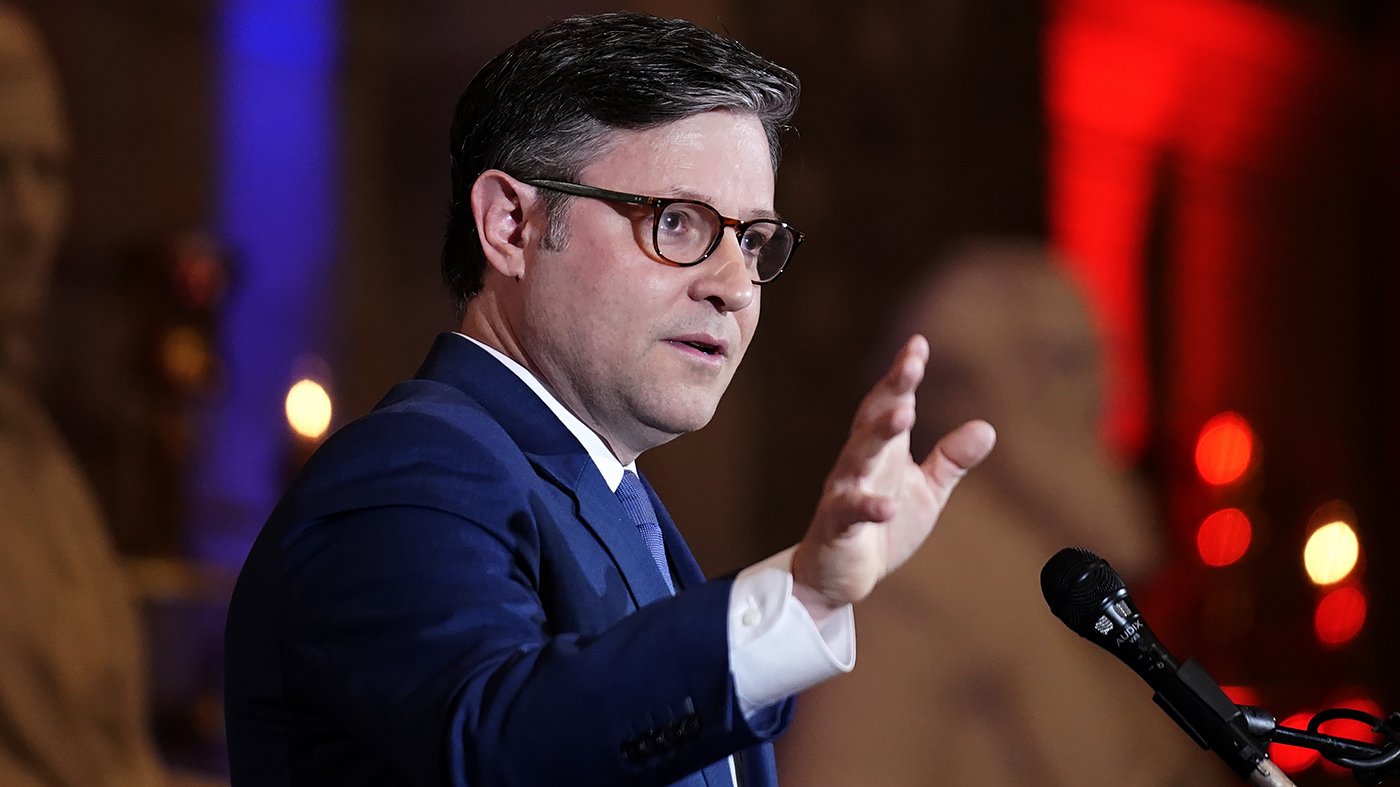
Speaker Mike Johnson (R-La.) faces a packed agenda that includes passing 12 appropriations bills by September 30, along with advancing two reconciliation packages, finalizing a farm bill, renewing foreign surveillance powers, and pushing other priorities tied to President Trump’s agenda. The timeline is tight, and the political stakes are enormous.
In recent years, Congress has routinely blown past the September deadline, relying on continuing resolutions (CRs) to avert shutdowns. With the midterms looming, many expect GOP leaders—eager to prevent Democrats from flipping both chambers—to lean heavily on that tactic again. Senator Scott has warned that while the Senate may be safer, the House remains a tougher fight.
The House Appropriations Committee, chaired by Tom Cole (R-Okla.), has already advanced several 2027 spending bills, including funding for financial services, the State Department, FDA, and agriculture programs. All faced strong Democratic opposition over cuts to humanitarian aid, global health, and climate initiatives. “As the first bill to move out of full committee this year, it sets a strong foundation for the FY27 work ahead,” Cole said of the military construction and VA bill, which has broad bipartisan support and includes over $2 billion for veterans’ medical facilities and cemeteries.
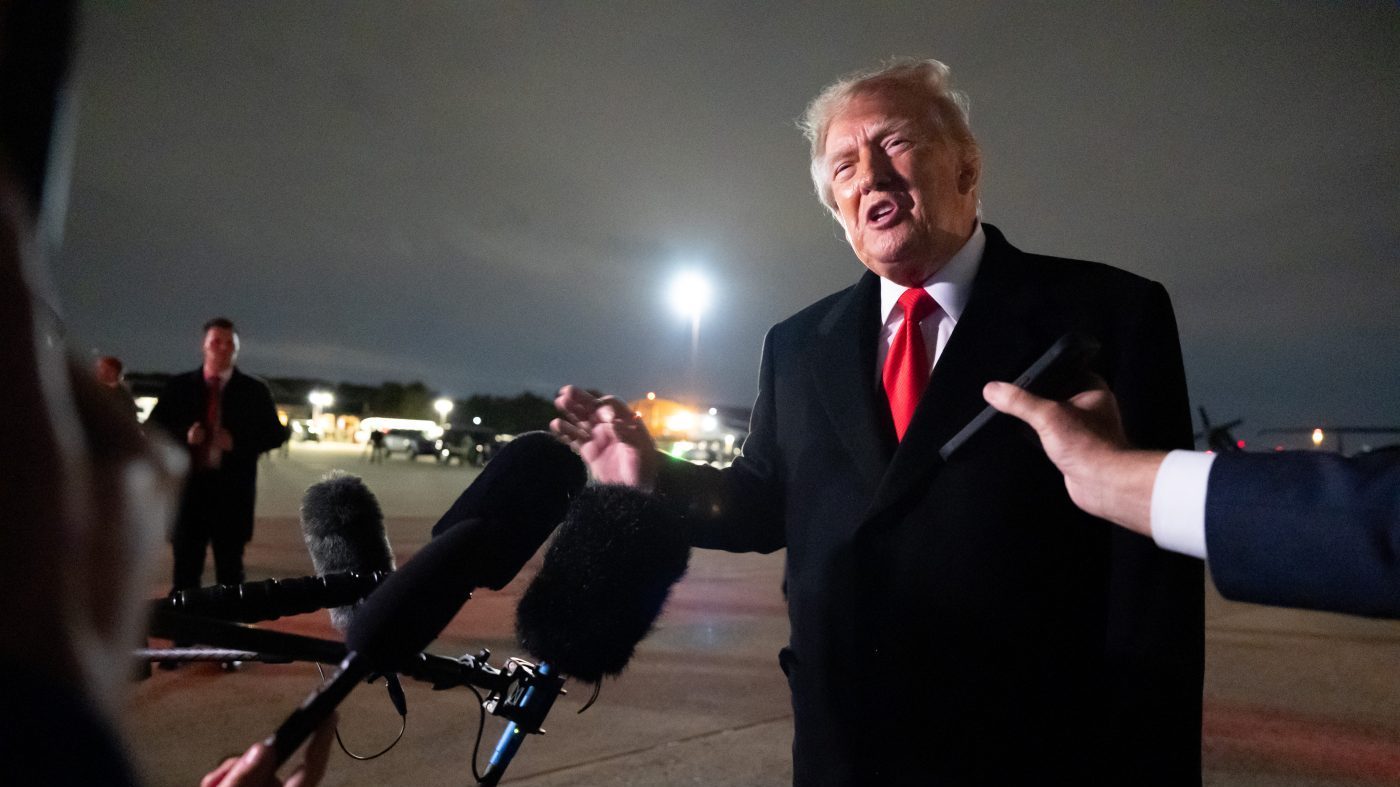
But that bill is low-hanging fruit. Tougher fights await over funding for Health and Human Services, Homeland Security, and Defense. Pentagon Chief Hegseth recently clashed with reporters over Trump’s Iran policy, and Trump’s request for $1.5 trillion for defense—roughly 40% above current levels—is a non-starter for Democrats, who are hammering the administration over the ongoing Iran conflict.
Healthcare will also be a flashpoint. Republicans allowed Obamacare subsidies to expire earlier this year, driving up premiums and causing millions to lose coverage. Democrats are expected to hammer that issue on the campaign trail, much as they did during last year’s 43-day shutdown. Sununu has warned that rising costs, including jet fuel, will affect voters, and healthcare remains a top concern.
Another divisive element is a proposed $1 billion in taxpayer funds for security at the White House ballroom, following an assassination attempt against Trump at the White House Correspondents’ Dinner. The Senate Judiciary Committee included the funding in a reconciliation bill, but it has sparked internal GOP divisions over fiscal messaging. Senate Republicans have clashed over the $1 billion price tag, and Democrats, led by Rep. Rosa DeLauro (Conn.), have condemned it as a “lavish venue for billionaire mega-donors.”
If Johnson cannot pass the ballroom funding through reconciliation, GOP leaders may try to attach it to a Homeland Security bill—a move certain to draw Democratic fury. Alternatively, Johnson could opt for a CR, but Democrats would likely push for it to extend into January, when they might reclaim the House and gain leverage over spending.
The appropriations fight will touch nearly every hot-button issue before Congress, from healthcare and defense to immigration and foreign policy. Both parties insist they want to avoid another shutdown, but the intense disagreements—and the midterm clock—make any clean resolution uncertain.