Tennessee's Republican-controlled legislature pushed through a new congressional map on Thursday that dismantles the state's only majority-Black House district, a move aimed at eliminating the lone Democrat from the Volunteer State's nine-member delegation.
The state House and Senate voted along party lines to approve the redistricting plan, hours after repealing a 56-year-old ban on mid-decade redistricting. The map now heads to Governor Bill Lee's desk for his signature.

The new boundaries split Representative Steve Cohen's Memphis-based 9th District into three separate districts and carve Nashville into five pieces. Cohen, a Democrat, has represented the district since 2007. The GOP map effectively dilutes the voting power of Memphis, the nation's second-largest majority-Black city by population.
Republicans insisted the map was drawn purely to maximize their electoral advantage, not to target Black voters. State Senator John Stevens, the primary sponsor, said on the floor that the plan was designed to “maximize Republicans’ ability to win nine seats in the upcoming midterm elections.” He added, “Tennessee is a conservative state, and I submit its congressional delegation should reflect that.”
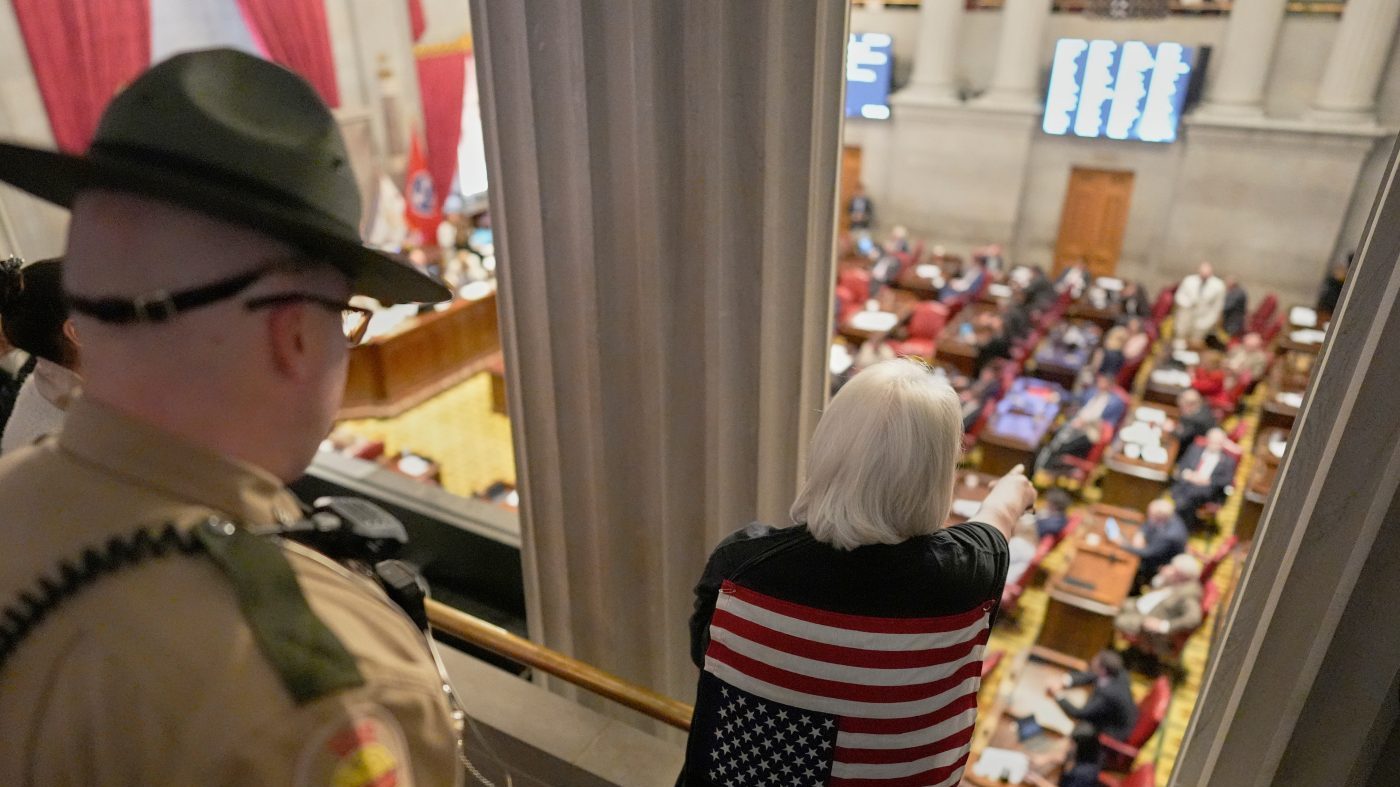
Democrats and voting rights advocates countered that the map amounts to racial gerrymandering. State Senator London Lamar, who represents part of Memphis, urged her colleagues to “do the right thing.” Protesters flooded the Capitol, chanting “Hands off Memphis!” and “No Jim Crow 2.0.” The House gallery erupted in chaos during the vote, with one protester using an air horn, and Democrats walked out after the bill passed.
Cohen had argued earlier this week that his presence in Congress has benefited Tennessee, pointing to federal funding he secured for the Mississippi River bridge. “We’re giving up the values of the state of Tennessee and the power of the state of Tennessee for one man who is president of the United States for two more years,” he said, referring to President Trump.
The special session was called after Trump pressured Lee to act, following a Supreme Court ruling that struck down Louisiana's congressional map as an illegal gerrymander. Trump posted on Truth Social that he had a “very good conversation” with Lee about fixing Tennessee’s maps. The governor quickly convened the special session.
This mid-decade redistricting push mirrors efforts in other GOP-led states to redraw lines ahead of the 2026 midterms, a strategy that has drawn criticism as a partisan power grab. The map's approval is likely to face legal challenges under the Voting Rights Act.
For context, similar gerrymandering battles have erupted elsewhere. In Virginia, a controversial map drew accusations of partisan manipulation. Meanwhile, House Democrats have accused Commerce Secretary Lutnick of misleading Congress during closed-door testimony about the Epstein case.