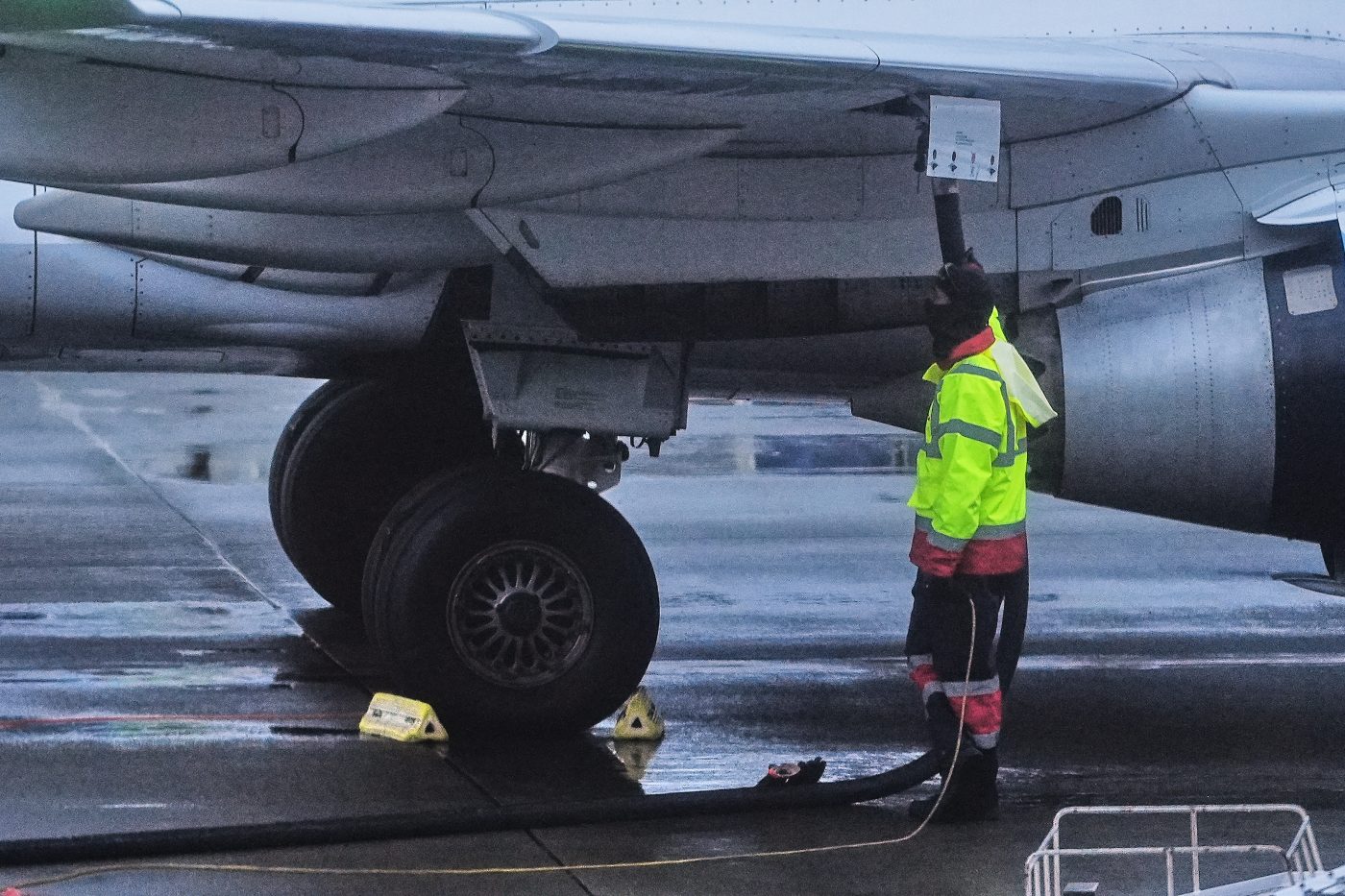
The Department of Transportation reported Wednesday that U.S. scheduled airlines spent $5.06 billion on fuel in March, a 56.4% surge from February's $3.23 billion. The spike marks the first full month after the outbreak of the Iran war, which has effectively closed the Strait of Hormuz—a critical chokepoint for global oil shipments—for over two months.
Spirit Airlines Collapses Amid Fuel Crisis
Spirit Airlines announced over the weekend it would immediately cease operations after failing to secure a government bailout, citing soaring oil prices as a key factor. The carrier's parent company began what it called “an orderly wind-down of operations,” canceling all flights and urging ticket holders not to go to the airport. The shutdown has stranded thousands of travelers and raised fears of broader fare increases across the industry, as detailed in our earlier report.

Duffy Rejects War as Cause
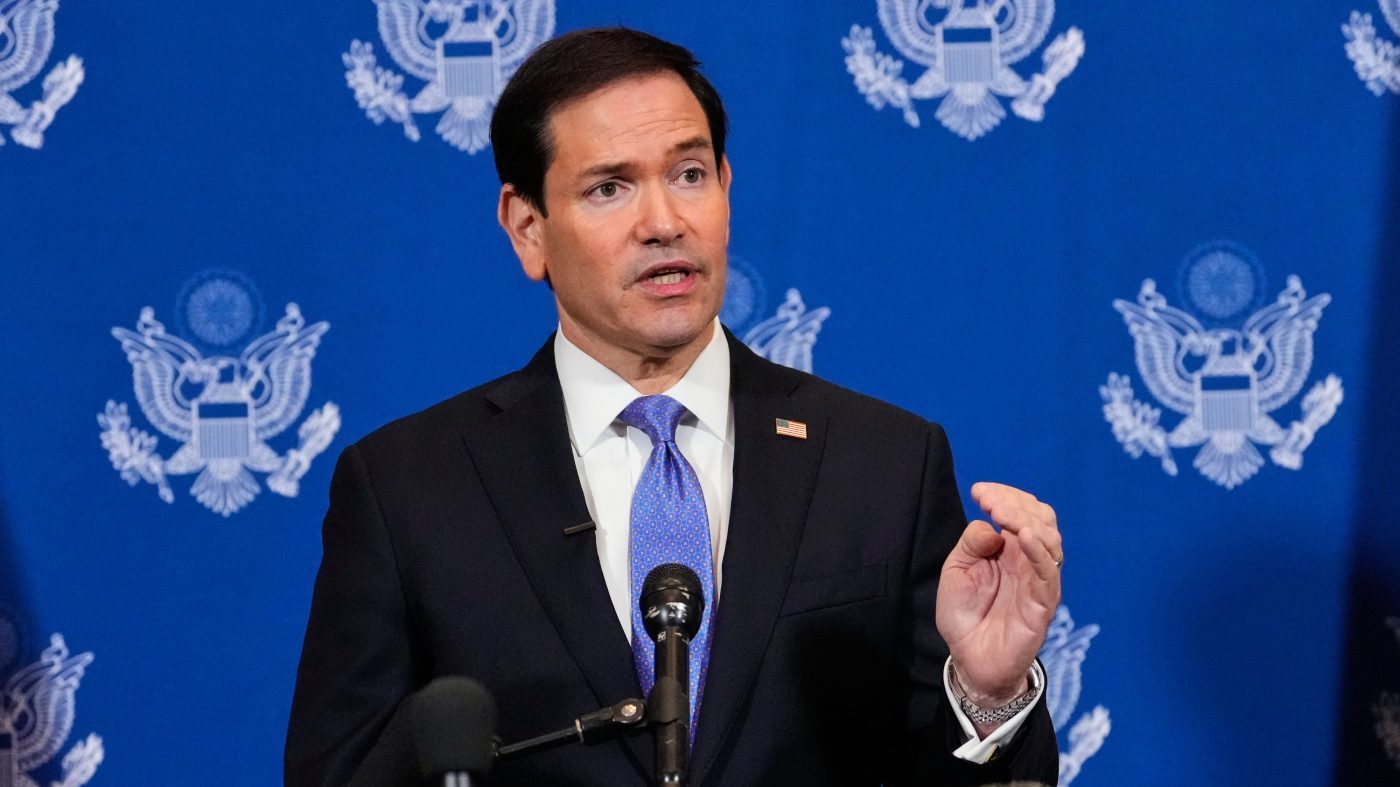
Transportation Secretary Sean Duffy pushed back against the notion that the Iran war drove Spirit out of business. “Spirit was in dire straits long before the war with Iran,” Duffy said during a Saturday press conference. “Multiple times, they filed for bankruptcy. Their model wasn’t working. This was not the impetus. The war was not the impetus for Spirit.” His comments align with a broader administration stance that Spirit's pre-existing financial woes were the real culprit.
Political Blame Game Intensifies
The collapse has reignited partisan finger-pointing. Democrats have blamed the Trump administration for failing to prevent the fuel crisis, while Republicans point to previous Democratic opposition to a merger that might have saved the carrier. The White House has stepped in to cap fares on some routes to mitigate the fallout, a move that has drawn mixed reactions from industry analysts.
War's End in Sight?
President Trump abruptly ended his operation to pressure Iran over the Strait of Hormuz on Tuesday night, shortly before reports emerged that Washington and Tehran are nearing a framework deal to end the war. Trump warned he would restart bombing if the deal falls through, leaving the energy market—and airlines—on edge. The fuel shock is expected to hit airline earnings for at least the next three months, according to White House economic adviser Kevin Hassett, as we reported earlier.
Broader Implications for Travelers
With Spirit's sudden exit, remaining carriers face pressure to absorb demand while managing higher input costs. The DOT's data underscores the severity of the fuel spike, which far exceeds typical seasonal increases. Analysts warn that unless the Strait of Hormuz reopens fully, ticket prices could climb further, squeezing consumers already grappling with inflation. The administration's fare cap may offer temporary relief, but the long-term outlook hinges on the Iran war's resolution.