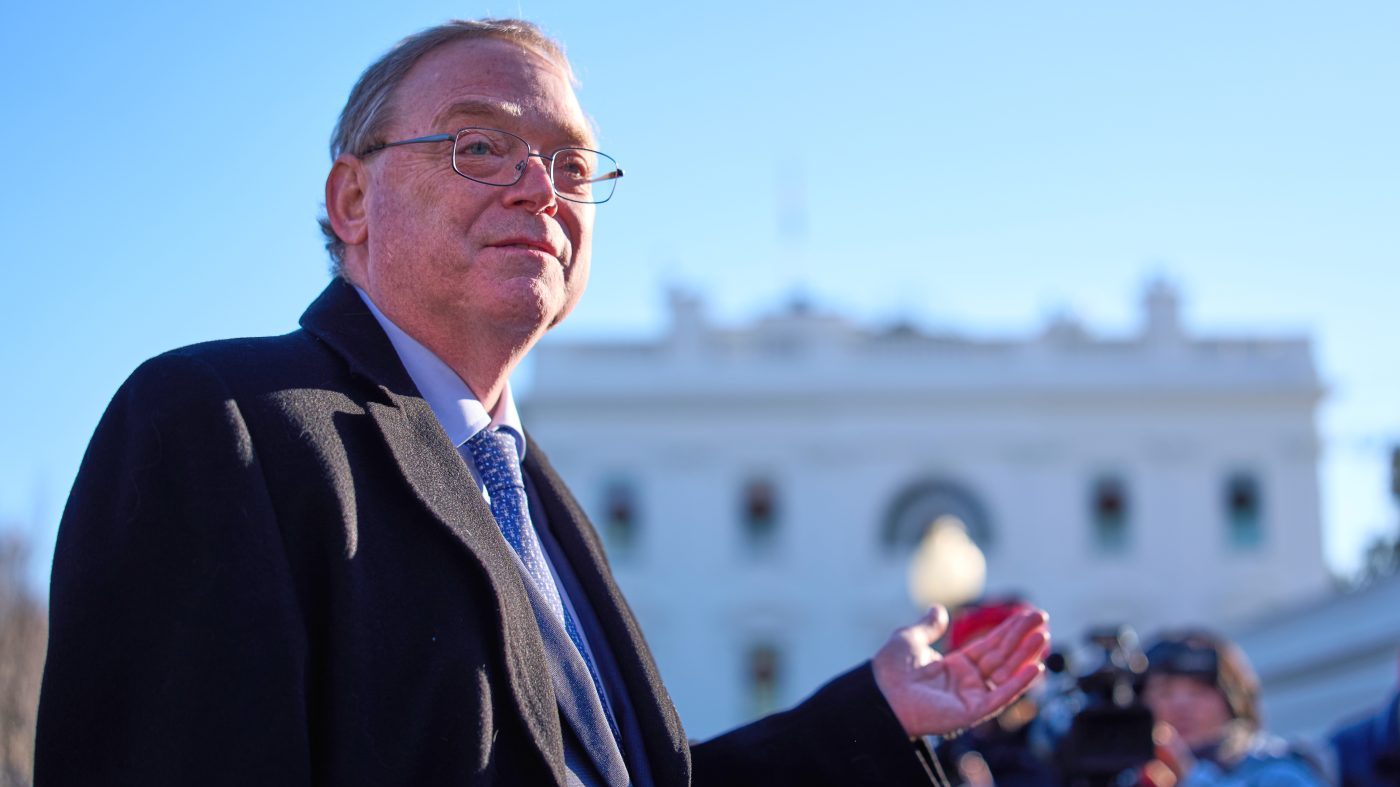
White House economic adviser Kevin Hassett on Wednesday painted a bullish picture of the US labor market, arguing that consumer spending remains resilient even as the ongoing conflict with Iran pushes gasoline prices above $4.50 per gallon.
Speaking on Fox Business, Hassett revealed that he had met with the CEO of one of the nation's largest banks to review credit card data. “Credit card spending is through the roof,” he said. “They’re spending more on gasoline, but they’re spending more on everything else too.”
Hassett predicted a “very healthy, steady jobs picture” for the remainder of the year, countering fears that rising energy costs could derail economic momentum. His comments come as the administration faces scrutiny over the economic fallout from the decision to effectively close the Strait of Hormuz, a move that has sent global energy prices soaring since late February.
Consumer Spending Data Tells Mixed Story
According to a Commerce Department report, overall consumer spending rose 1.7% in March compared to the previous month. But that uptick was largely driven by a 15.5% surge in gas station sales, indicating that households are shelling out more at the pump rather than boosting discretionary purchases.
The average price for a gallon of regular gasoline hit $4.50 on Wednesday, more than a dollar higher than a year ago, according to AAA. Prices peaked at $4.18 in late April, marking the highest level in four years.
Low-Income Households Hit Hardest
A study released Wednesday by the New York Federal Reserve underscores the uneven impact of the price spike. Researchers found that households earning less than $40,000 annually increased their gasoline spending the least among all income brackets, suggesting they are cutting back on fuel consumption to cope with higher costs.
“Higher-income households have reduced real gas consumption only modestly and increased gasoline spending considerably compared with 2023,” the Fed report stated. “In contrast, lower-income households increased spending by much less and decreased real consumption by much more, potentially by carpooling or substituting to public transit where available.”
The data highlights a growing divide in how Americans are weathering the economic pressures of the Iran conflict, which has disrupted global oil supplies and forced the administration to navigate both diplomatic and military dimensions. Hassett’s upbeat jobs forecast may be tested if lower-income consumers continue to pull back on spending, potentially slowing broader economic activity.
For now, the White House is banking on a strong labor market to sustain consumer confidence, even as gas prices remain elevated and the path to a resolution with Iran remains uncertain.