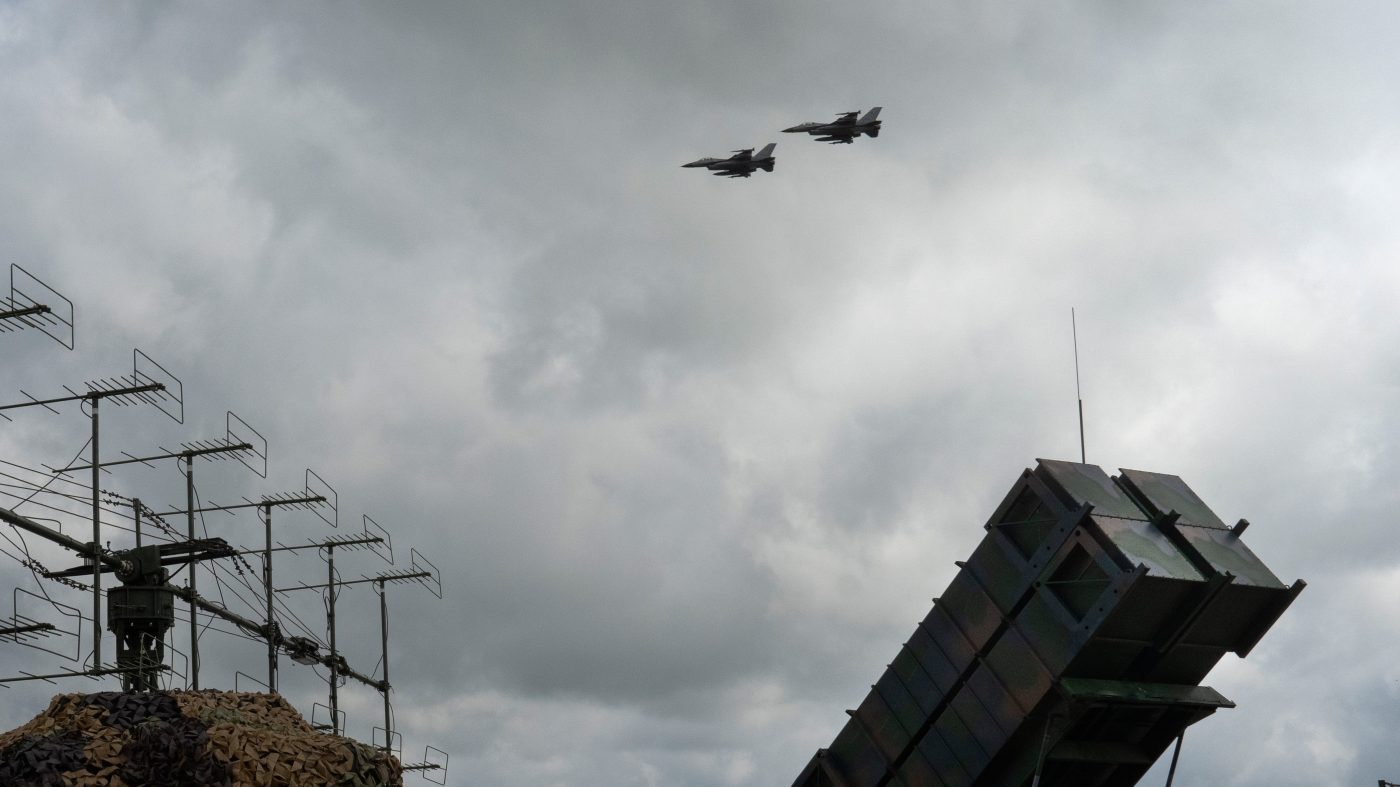
President Trump made a sudden pivot toward diplomacy with Iran on Wednesday, halting the military campaign known as Operation Epic Fury and announcing that Washington and Tehran are closing in on a framework for a peace deal. The move, which came hours after Trump declared an end to the blockade of the Strait of Hormuz, underscores mounting economic and political pressure on the administration to find an off-ramp from the months-long conflict.
The proposed agreement, first reported by Axios, is a one-page memorandum of understanding that would create a 30-day window for negotiating a more detailed accord. Key elements include reopening the Strait of Hormuz, curbing Iran's nuclear program, and lifting U.S. sanctions. Both sides would ease their respective blockades on shipping through the strategic waterway during this period.
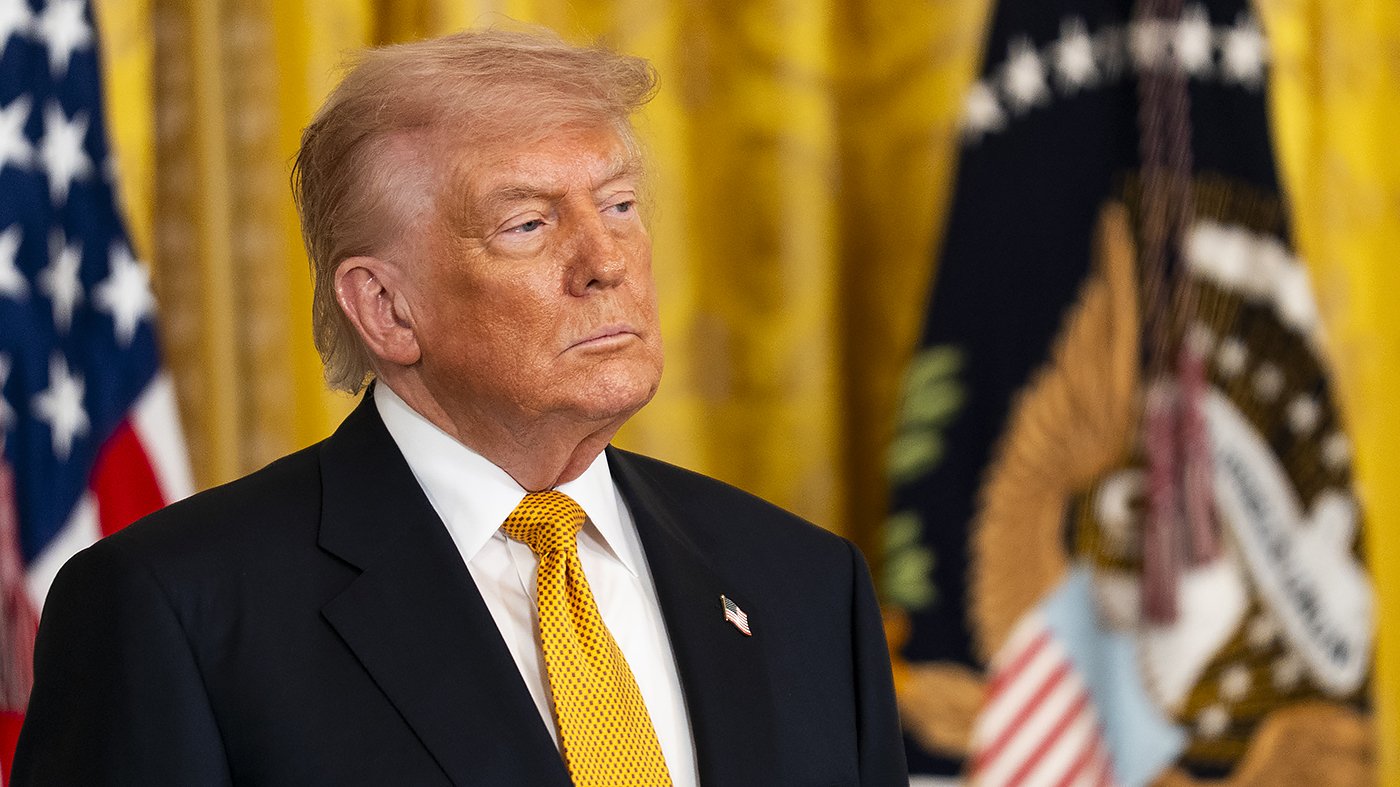
In a social media post Wednesday morning, Trump framed the deal as a potential victory but warned of consequences if it collapses. “Assuming Iran agrees to give what has been agreed to, which is, perhaps, a big assumption, the already legendary Epic Fury will be at an end, and the highly effective Blockade will allow the Hormuz Strait to be OPEN TO ALL, including Iran,” he wrote. “If they don’t agree, the bombing starts, and it will be, sadly, at a much higher level and intensity than it was before.”
The president's decision to halt the campaign, first reported by The Hill, marks a dramatic shift from his previous hardline stance. However, experts remain deeply skeptical about the prospects for a lasting agreement. Hein Goemans, a political science professor at the University of Rochester who specializes in war termination, questioned whether either side is willing to make the necessary concessions.
“They can say whatever they want about the Strait of Hormuz, but that ship has sailed. It is, surprisingly, a diplomatic victory for Iran — a military victory for the United States, but a diplomatic victory for Iran,” Goemans said. He noted that Iran's ability to shut down the strait again remains a powerful lever, given its military capacity to disrupt global energy markets.
On the nuclear front, the one-page memo leaves crucial details unresolved. The contours of the agreement, according to officials who spoke to Axios, closely resemble the deal initially negotiated by the Obama administration and later scrapped by Trump during his first term. It would impose a 10-15 year moratorium on uranium enrichment. But Goemans warned that any Iranian leader would be wary of U.S. credibility, given Trump's history of abandoning agreements. “At minimum, the Iranians are thinking no deal with America is credible. America can change its mind overnight and then start bombing us even in the middle of talking. So any Iranian leader will know that. So they will hedge on some form,” he said.
Trump already faces significant pushback from conservative pundits, including Hugh Hewitt and Mark Levin, who have called the reported deal a disaster for the United States. A spokesperson for Iran's parliament dismissed the proposal as an American “wish list” in a post on X, highlighting the deep mistrust on both sides.
The president has repeatedly claimed the U.S. and Iran are close to a deal, but talks have collapsed several times in recent months. The latest development comes amid broader political turbulence, including Trump's primary wins in Indiana that signal challenges for GOP incumbents. Meanwhile, speculation grows that Trump may address the nation from the Oval Office to outline the framework.
As the 30-day window opens, the core question remains: can a one-page memo bridge the gulf between two adversaries with a long history of broken promises and mutual distrust? For now, Trump is betting that the threat of renewed bombing will push Iran to the table, but experts warn that the diplomatic victory Iran has already achieved may make it reluctant to yield.