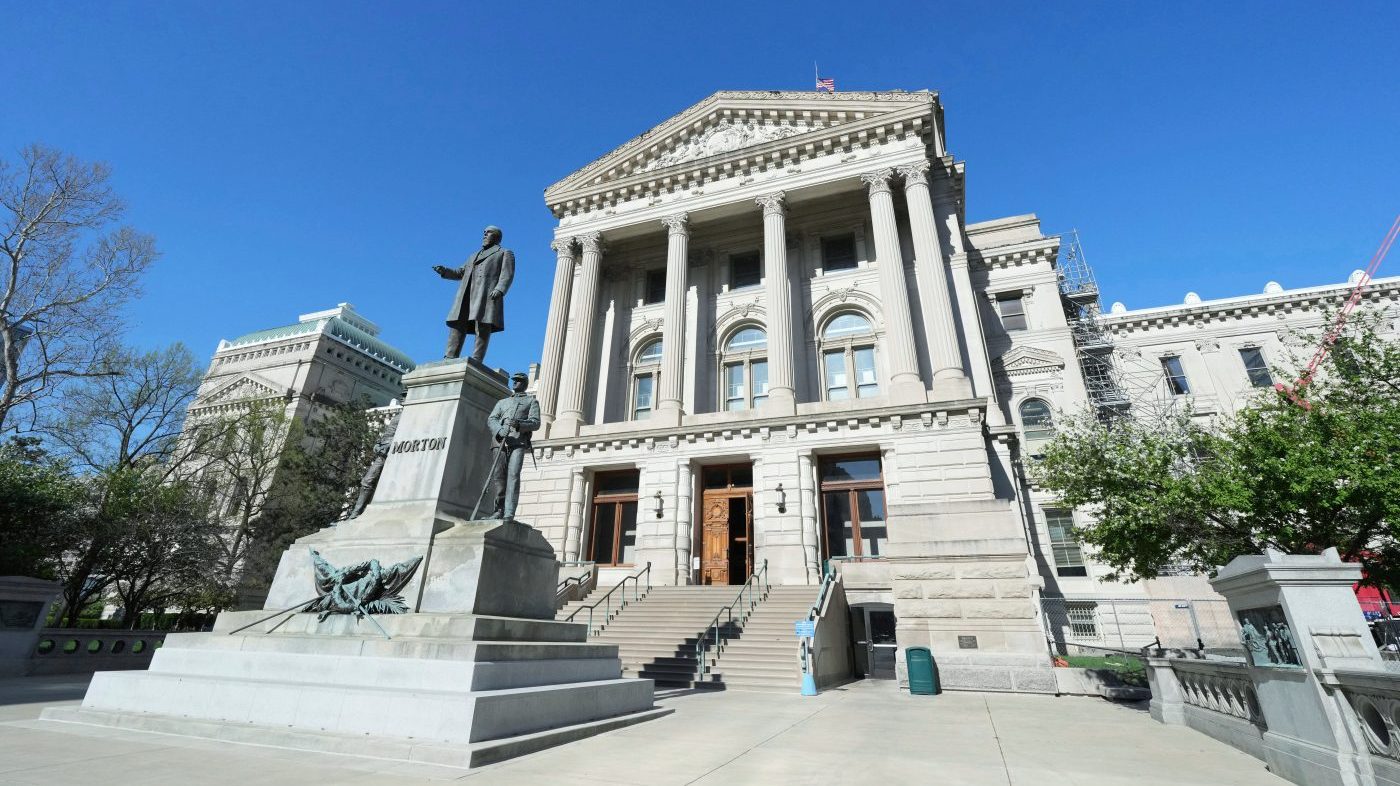
President Donald Trump's campaign to punish Indiana Republican state senators who opposed his mid-decade redistricting plan scored a resounding victory Tuesday, with six of seven incumbents backed by the president losing their primary bids, according to Decision Desk HQ projections.
The results mark a significant test of Trump's enduring sway over the GOP, as national Republicans targeted lawmakers who voted against a congressional map that would have given the party a 9-0 advantage in the state's House delegation. The lone incumbent to survive was state Sen. Greg Goode, who held off his Trump-endorsed challenger in the 38th district. One race remained too close to call late Tuesday: incumbent Sen. Spencer Deery faced a tight contest against Paula Copenhaver with 95% of precincts reporting.
How the Incumbents Fell
The Trump-backed challengers unseated a slate of veteran lawmakers. In the 19th district, Republican Blake Fiechter defeated incumbent Travis Holdman. Tracey Powell ousted James Buck in the 21st district, while Michelle Davis beat Greg Walker in the 41st. Dan Dernulc lost to Trevor De Vries, and Brian Schmutzler defeated Linda Rogers in the 11th district. Even state Sen. Rick Niemeyer, who did not face a Trump-endorsed opponent, was projected to lose to challenger James Starkey in the 6th district.
The defeats followed a yearlong pressure campaign by Trump and his allies after the state Senate rejected a House-passed map that would have created a 9-0 GOP delegation. Indiana's current delegation has seven Republicans and two Democrats. The redistricting standoff became a rare instance where state Republicans bucked the president, who had successfully pushed similar map redraws in Texas and Missouri to boost GOP pickup opportunities for the 2026 midterms.
Retribution and Swatting Incidents
Trump vowed retribution against the 21 GOP senators who voted against the map in December, and national Republicans recruited challengers for those up for reelection. During the campaign, some lawmakers who opposed or were undecided on redistricting were targeted in swatting incidents, a sign of the intensity of the pressure campaign.
Indiana Senate President Pro Tem Rodric Bray defended the caucus's decision in an interview Monday with CNN's Dana Bash. “The bottom line is we decided that as a caucus, we were fairly evenly split, but we decided ultimately that it wasn't the right thing. It wasn't the right way for Indiana to move forward,” Bray said. He added, “You're never guaranteed a result to get, say, 9-0 congressional Republican delegation in Indiana. But this issue does breed an awful lot of cynicism, and we have an abundance of that in the nation already.”
Broader Implications for the GOP
The Indiana results are a bellwether for Trump's influence heading into the 2026 midterms, as the party braces for a challenging election environment. The president's ability to topple incumbents who defy him reinforces his grip on the party, even as some state leaders resist his most aggressive moves. The outcome also underscores the ongoing national battle over redistricting, with Democrats responding to GOP map pushes by passing new lines in California and Virginia.
For more on Indiana's political landscape, see our analysis of the state's only competitive House race and coverage of Carson's primary victory in Indianapolis. The broader context of Trump's redistricting push is detailed in our earlier report on the targeted senators.