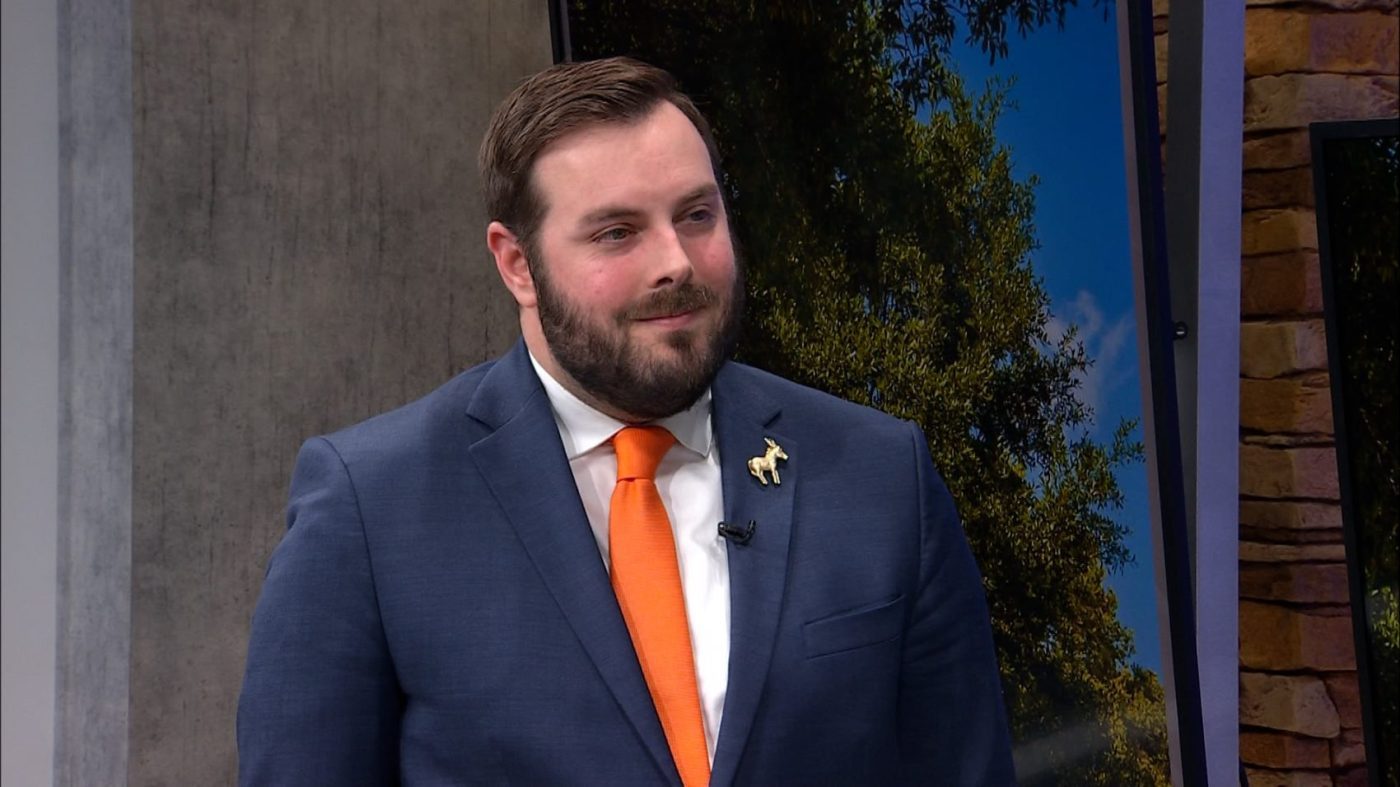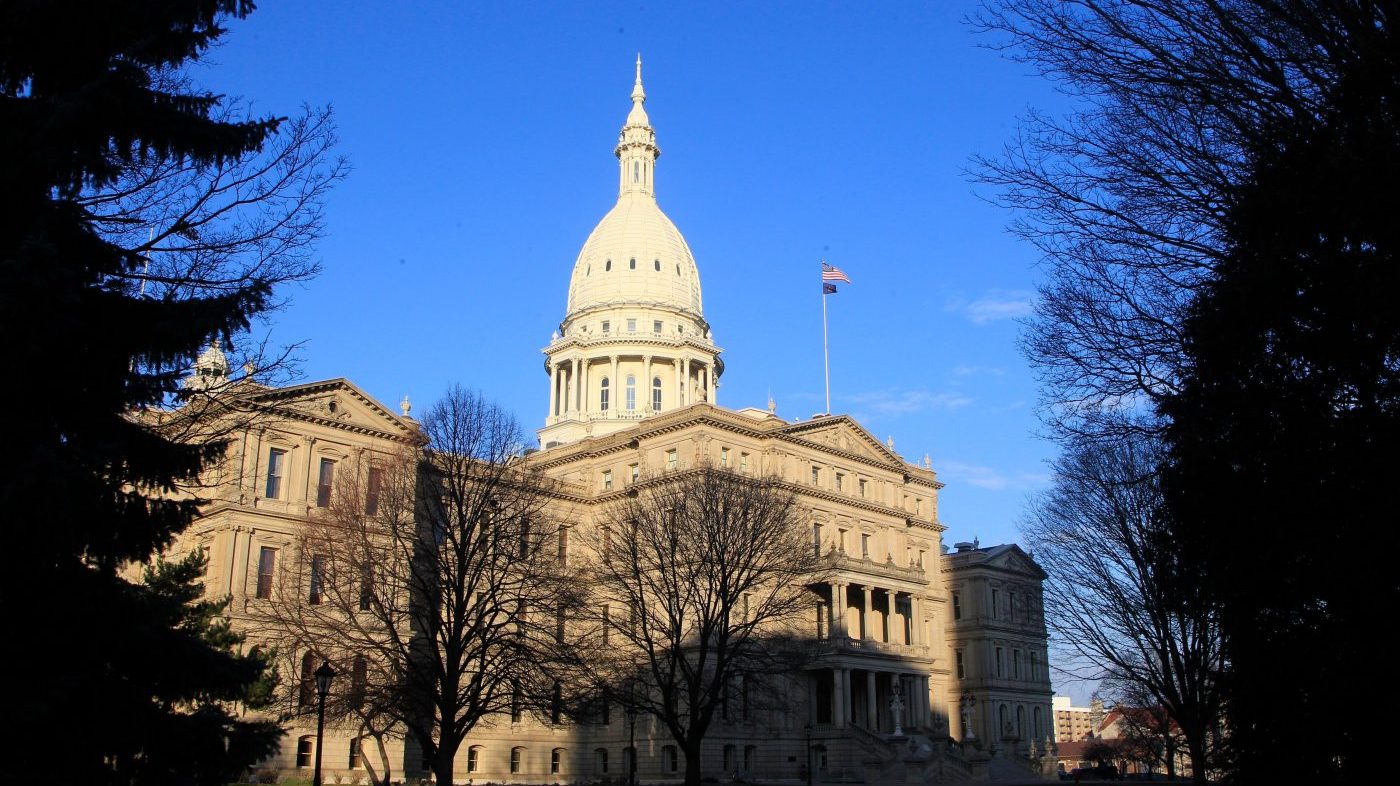
Democrats in Michigan have held onto their state Senate majority, thanks to a special election victory that gives them a slightly larger cushion in the chamber. Chedrick Greene, a firefighter from Saginaw, is projected to win the 35th District contest, according to Decision Desk HQ. The win shifts the partisan balance from a precarious 19-18 advantage to a more comfortable 20-18 split.
The special election was triggered when former state Senator Kristen McDonald Rivet vacated the seat after winning election to the U.S. House in November 2024. The district had been empty for 16 months, leaving Democrats with a razor-thin majority that made passing legislation a constant challenge. Republicans had hoped to flip the seat and force a tie, which would have allowed them to block bills despite Democratic control of the lieutenant governor's tie-breaking vote.
“This victory ensures we can keep moving forward on the priorities Michiganders expect,” Greene said in a statement. He will serve the remaining eight months of McDonald Rivet’s term and then face the regular August primary as the incumbent.
The district covers parts of Bay, Midland, and Saginaw counties—areas that voted for President Donald Trump in the 2024 election. However, the specific precincts within the district are more competitive. McDonald Rivet won the seat in 2022 with 53% of the vote, and Vice President Kamala Harris narrowly carried it in 2024, edging Trump 49.7% to 48.9%.
Greene, who previously worked as a state Senate aide to McDonald Rivet, defeated Republican Jason Tunney, a Saginaw attorney and former executive of his family’s roofing company, and Libertarian Ali Sledz, a clinical counseling graduate student and Army wife from Midland. The race drew attention as a bellwether for the state’s shifting political landscape, particularly as Democrats struggle to maintain their 2022 trifecta after losing the state House in 2024.
The expanded majority eases Democrats’ path to advance their agenda in the final months of the legislative session. Key issues include gas prices in the Great Lakes region, which have been volatile due to refinery issues, and frozen vaccine aid that a bipartisan Senate coalition is pushing to release. The outcome also provides a morale boost for Michigan Democrats as they look ahead to the 2026 midterms, where they will defend the Senate majority and try to reclaim the House.
Republicans, meanwhile, will likely view the loss as a missed opportunity in a district that leans Democratic but showed signs of competitiveness. The GOP has been building a $78 million war chest to defend their House majority nationally, but state-level gains in Michigan have proven elusive.
Political analysts note that the special election result underscores the importance of local organizing and candidate quality. Greene’s deep ties to the district and his background as a firefighter resonated with voters, while Tunney struggled to overcome the district’s Democratic lean. The race also highlighted the role of third-party candidates, as Libertarian Sledz may have drawn votes that could have otherwise gone to the Republican.