A bipartisan coalition of Senate appropriators is pressing the State Department to release $600 million in congressionally approved funding for Gavi, the international vaccine alliance, which the Trump administration has withheld. The funds, appropriated over fiscal years 2025 and 2026, are set to expire on September 30 unless the administration acts.
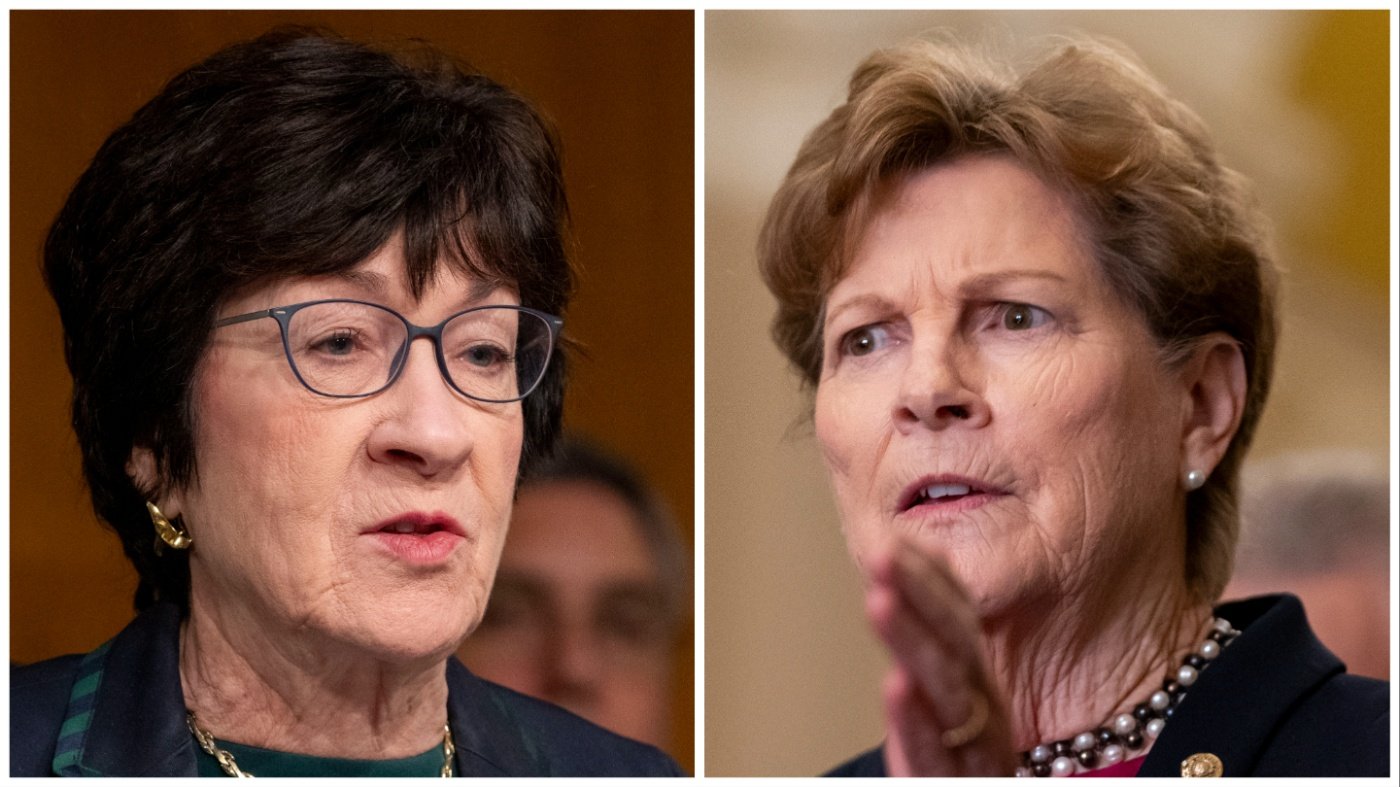
In a letter to Secretary of State Marco Rubio, led by Senate Appropriations Committee Chair Susan Collins (R-Maine) and Sen. Jeanne Shaheen (D-N.H.), the lawmakers questioned the rationale behind the freeze. The letter was also signed by Sens. Patty Murray (D-Wash.), Mitch McConnell (R-Ky.), Brian Schatz (D-Hawaii), and Lisa Murkowski (R-Alaska).
“Congressional support for Gavi endures because of its proven success as a public-private partnership, immunizing more than 1.1 billion children – and in turn preventing 20.6 million deaths – since its inception in 2000,” the senators wrote. They argued that Gavi “plays a critical role in averting the spread of preventable diseases around the globe, and helps protect public health in our country by stopping outbreaks before they reach our borders.”
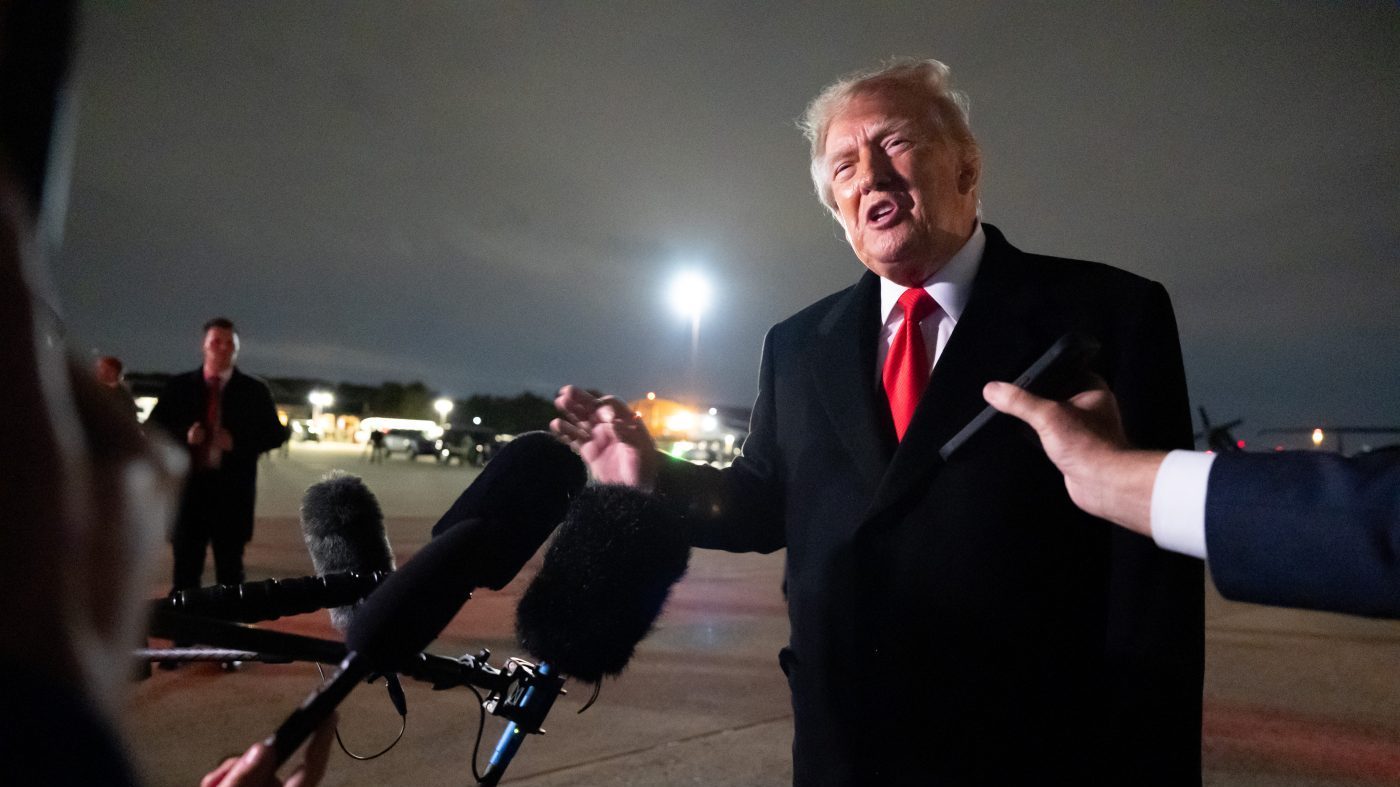
The funding standoff comes as the Trump administration, particularly Health Secretary Robert F. Kennedy Jr., has raised concerns about vaccine safety and transparency. Kennedy has cited the use of thimerosal, a mercury-based preservative, in some Gavi-supplied vaccines, as well as fears that U.S. dollars could indirectly support the World Health Organization. A Department of Health and Human Services spokesperson said Gavi has refused to provide a detailed accounting of how federal funds are used and has not agreed to phase out thimerosal-containing vaccines.
“Secretary Kennedy has made clear that global health decisions must be grounded in transparent evidence and open scientific debate. The United States is calling on Gavi to address these issues and strengthen public trust; until then, U.S. financial contributions will remain paused,” the HHS spokesperson said.
Kennedy’s skepticism about thimerosal dates back to his 2014 book, where he described it as “toxic to brain tissue” and linked it to autism. However, numerous studies have debunked that connection, and the Centers for Disease Control and Prevention considers thimerosal safe. The preservative was largely removed from pediatric vaccines in the U.S. by 2001, though it remains in some flu shots. Gavi continues to use multi-dose vials containing thimerosal in developing countries, largely because those nations lack adequate refrigeration for single-dose vials.
During a recent Senate Appropriations Committee hearing, Kennedy told Shaheen that Gavi has been “intransigent” on the issue. He also raised concerns about a diphtheria-tetanus-pertussis vaccine used by Gavi, which he said was discontinued in the U.S. due to brain injury risks. A 1976 British study suggested a link, but subsequent research did not confirm it. The U.S. switched to a less reactive version in 1997. “They’re still giving it to 161 million African and Asian children a year,” Kennedy said.
The senators countered that U.S. funding supports American jobs, noting that Gavi purchases more than $12.5 billion in U.S. goods and services. The U.S. has been a consistent supporter of Gavi since its founding, providing $290 million annually from fiscal 2018 through 2023. In 2024, the U.S. pledged nearly $1.6 billion over five years, representing about 13% of the organization’s funding through 2030.
The standoff highlights broader tensions between Congress and the administration over foreign aid and public health priorities. As the September 30 deadline approaches, the impasse could have significant implications for global vaccination efforts, particularly in the world’s poorest countries.
For more on how political dynamics are shaping foreign policy, see O'Reilly Warns GOP Faces 'Slaughter' If They Abandon Trump Before Midterms. The administration’s approach to international health funding also echoes its broader stance on multilateral institutions, as explored in Congressional Inaction Enables Trump's Potentially Illegal Iran War.