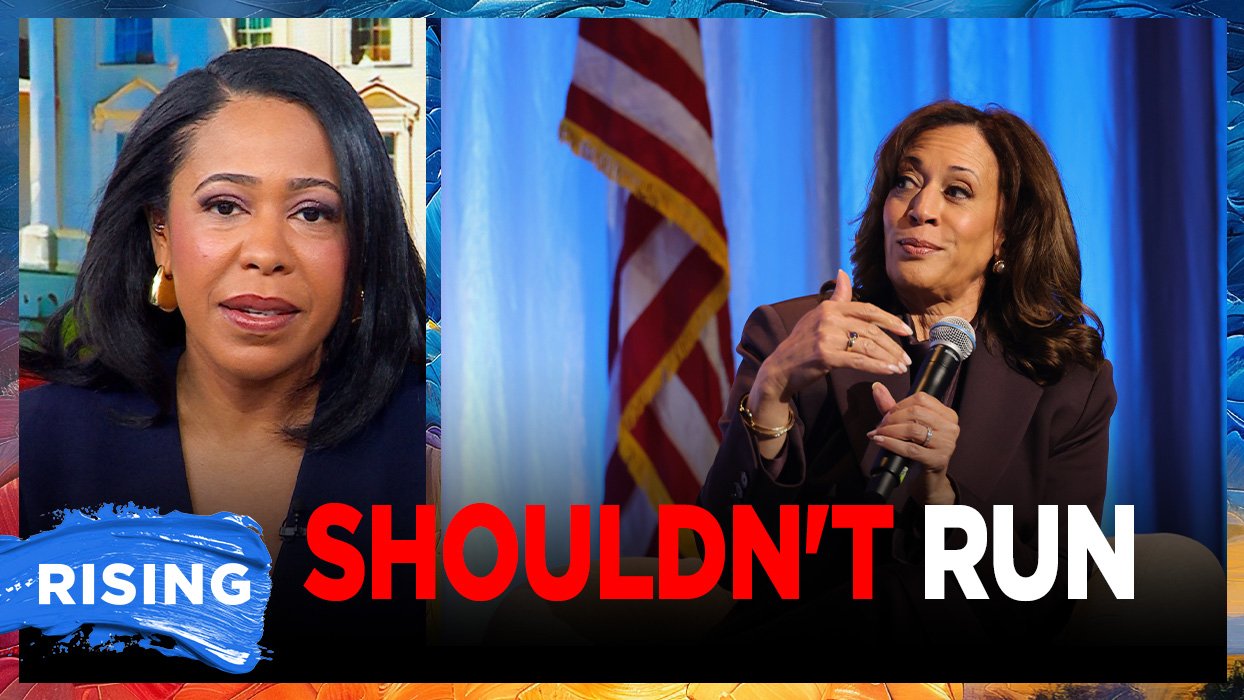
Kamala Harris is at the top of most early Democratic primary polling for the 2028 presidential race. But the question isn't whether she's qualified—it's whether the political conditions and the memory of her 2024 defeat will allow voters to see her differently this time.
Harris is not inexperienced. She has served as district attorney, California attorney general, U.S. senator, and vice president—making history as the first woman, first Black woman, and first South Asian American in that role. She cast a record number of tie-breaking votes in the Senate and helped push through major legislation like the Inflation Reduction Act and the American Rescue Plan.

But voters delivered a harsh verdict in 2024. This was no narrow loss that could be spun away with timing. Harris lost all seven swing states on Election Day, and Donald Trump improved his margins in all 50 states. Four issues defined that defeat: the economy—not inflation as a concept, but actual prices that squeezed families daily; immigration policy under the Biden administration, which consistently polled poorly; Gaza, where her unwavering support for arming Israel clashed with a majority of Americans wanting a policy shift; and her inability to clearly separate herself from those policies.
As vice president, Harris was tethered to President Biden's record, yet she didn't create enough daylight. By the Democratic convention, any early sense that she might chart a different path was gone. She sounded like continuity, not change—and in an election where voters demanded something different, that was a fatal flaw.
This brings up a major missed opportunity: the California governorship. That role is not just a state job; it's a national platform. Ronald Reagan, Jerry Brown, Arnold Schwarzenegger, Gavin Newsom—all used it to lead a massive economy, tackle real-world crises, and shape policy at scale. Harris likely would have won easily. And it would have given her something she now lacks: distance from Biden-era policies. A chance to govern independently, own her decisions, and rebuild a national narrative.
Even some Democrats are saying the quiet part out loud, telling The New York Times that a 2028 run carries "a real burden" and a lot to explain. A governorship could have been the reset—a proving ground for a future presidential run, maybe in 2032, built not just on résumé but on recent, visible leadership. Instead, she's back in the conversation for 2028.
The core question remains: not whether Harris is qualified, but whether the political landscape and the sting of 2024 will let voters see her differently. For now, the data suggests they won't.
Lindsey Granger is a NewsNation contributor and co-host of The Hill's commentary show "Rising." This column is an edited transcription of her on-air commentary.