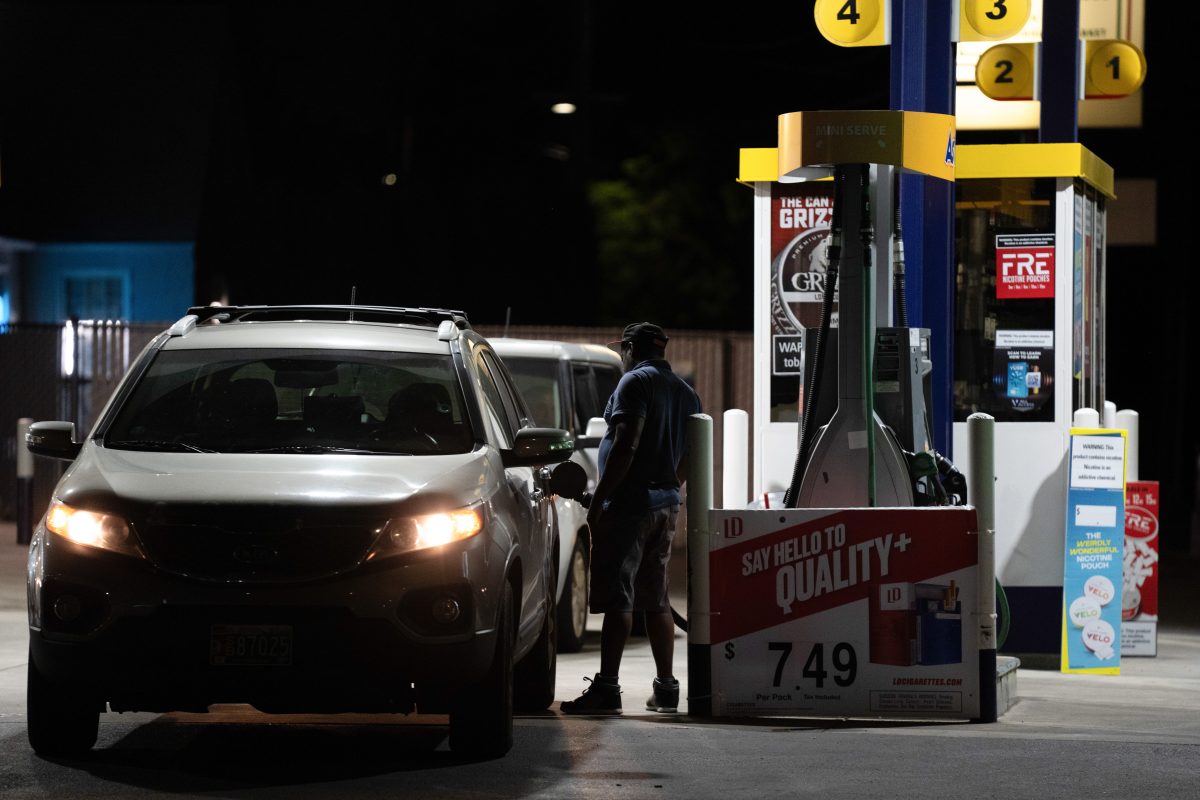
Drivers across the Great Lakes region may soon catch a break at the pump. According to Patrick De Haan, head of petroleum analysis at GasBuddy, gas prices in five states — Indiana, Illinois, Ohio, Minnesota, and Wisconsin — are poised to fall by 20 to 40 cents per gallon in the coming weeks, as regional refinery problems that sent prices soaring last week begin to clear up.
Refinery Troubles Spike Prices
Last week, the average price for a gallon of regular gasoline bolted past $4 in Indiana, Michigan, Ohio, and Wisconsin — states that had largely stayed below that threshold since the Middle East conflict escalated. Illinois briefly flirted with $5 a gallon on Wednesday. The sudden surge was driven by what De Haan called “refinery challenges in the region,” compounded by seasonal maintenance that typically tightens supply this time of year.
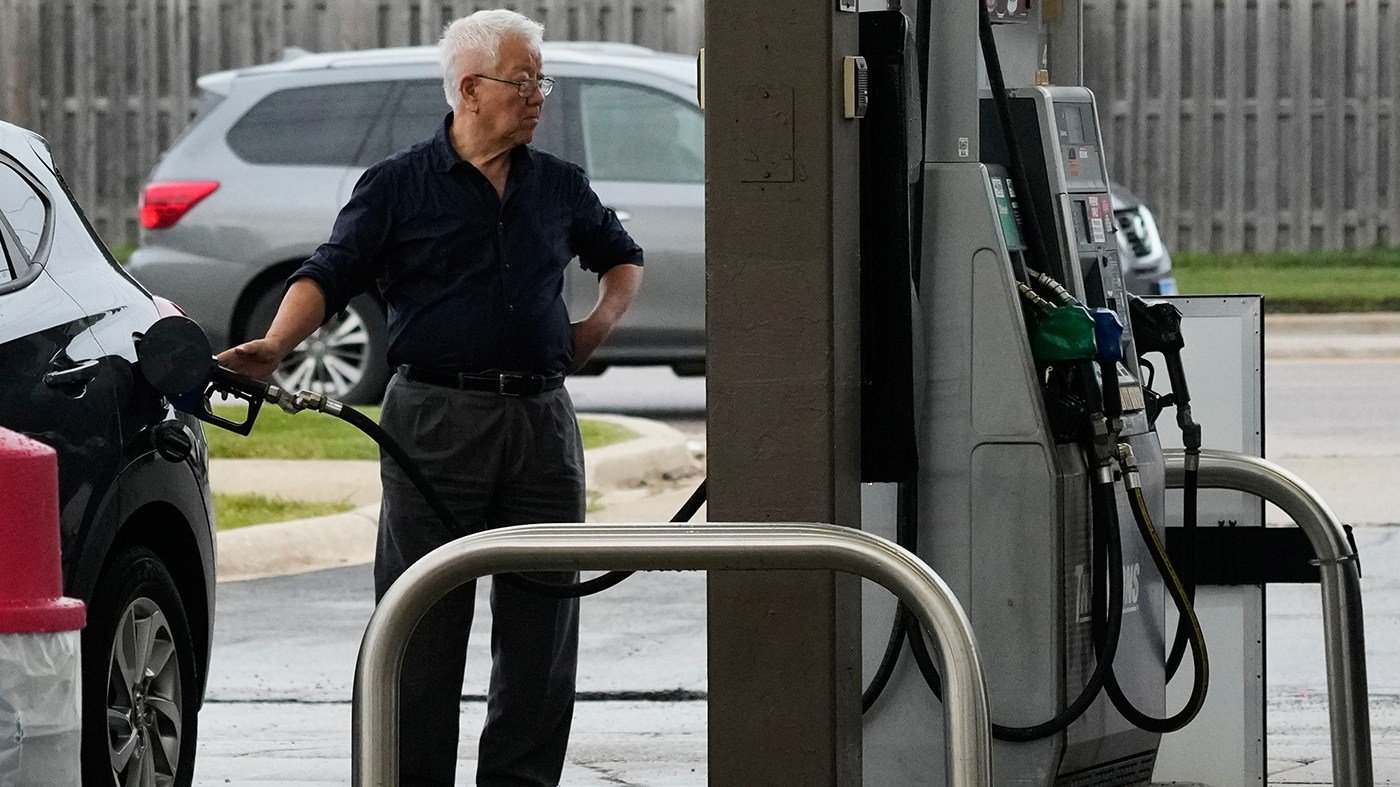
Nearby states like Kentucky, Minnesota, Iowa, Missouri, Nebraska, and Kansas also saw price increases, though not as dramatic. But in an update Tuesday, De Haan reported that the refinery bottlenecks were “clearing up,” paving the way for significant relief. He estimated that prices could fall 20 to 40 cents per gallon in Indiana, Illinois, Ohio, Minnesota, and Wisconsin, with Iowa, Kentucky, and Minnesota also seeing some easing.
Diesel Prices Also Expected to Cool
The reprieve isn’t limited to gasoline. Diesel prices, which have broken records in Illinois, Michigan, and Wisconsin this week, are also forecast to drop. GasBuddy’s models suggest diesel could fall by 25 to 60 cents per gallon. Indiana and Ohio, while still high, were within historic ranges as of Monday night, according to De Haan.
But De Haan warned drivers not to rush to the pump just yet. “It could take another week or two before you notice prices come down,” he said, cautioning that the timing depends on how quickly refineries return to normal operations.
Geopolitical Risks Loom
Any price relief could be short-lived if the Strait of Hormuz destabilizes further. Over the weekend, President Trump announced “Project Freedom,” a plan for the U.S. Navy to guide vessels through the strategic waterway. Secretary of State Marco Rubio said Tuesday the administration would push for a United Nations Security Council resolution demanding Iran “cease attacks, mining, and tolling” in the strait.
The war in Iran remains the primary driver of elevated fuel prices nationwide. Crude oil, which accounts for about 51% of the price of a gallon of gasoline, has been pushed to $112 a barrel by what the International Energy Agency called the largest supply disruption in oil market history. The national average for regular gasoline stood at $4.483 on Tuesday, up more than 30 cents from a week earlier, while diesel hit $5.659 — a nearly 20-cent increase.
For context, the price of crude is the single biggest factor in what drivers pay at the pump. When supply tightens, as it has with the effective closure of the Strait of Hormuz, prices spike. The recent refinery issues in the Great Lakes only added to the pressure. As De Haan noted, any further instability in the strait could undo the expected decline.
Meanwhile, the broader economic toll of the conflict continues to mount. Inflation data has been called “bad” by financial commentators, with the Iran war driving up costs across the board. And one senator has doubled down on estimates that the war has already cost $50 billion, calling the Pentagon’s projection “too low.”
For now, drivers in the Great Lakes region can expect some relief, but the geopolitical picture remains volatile. As De Haan put it, “Any price changes could be impacted if the Strait of Hormuz destabilizes.”