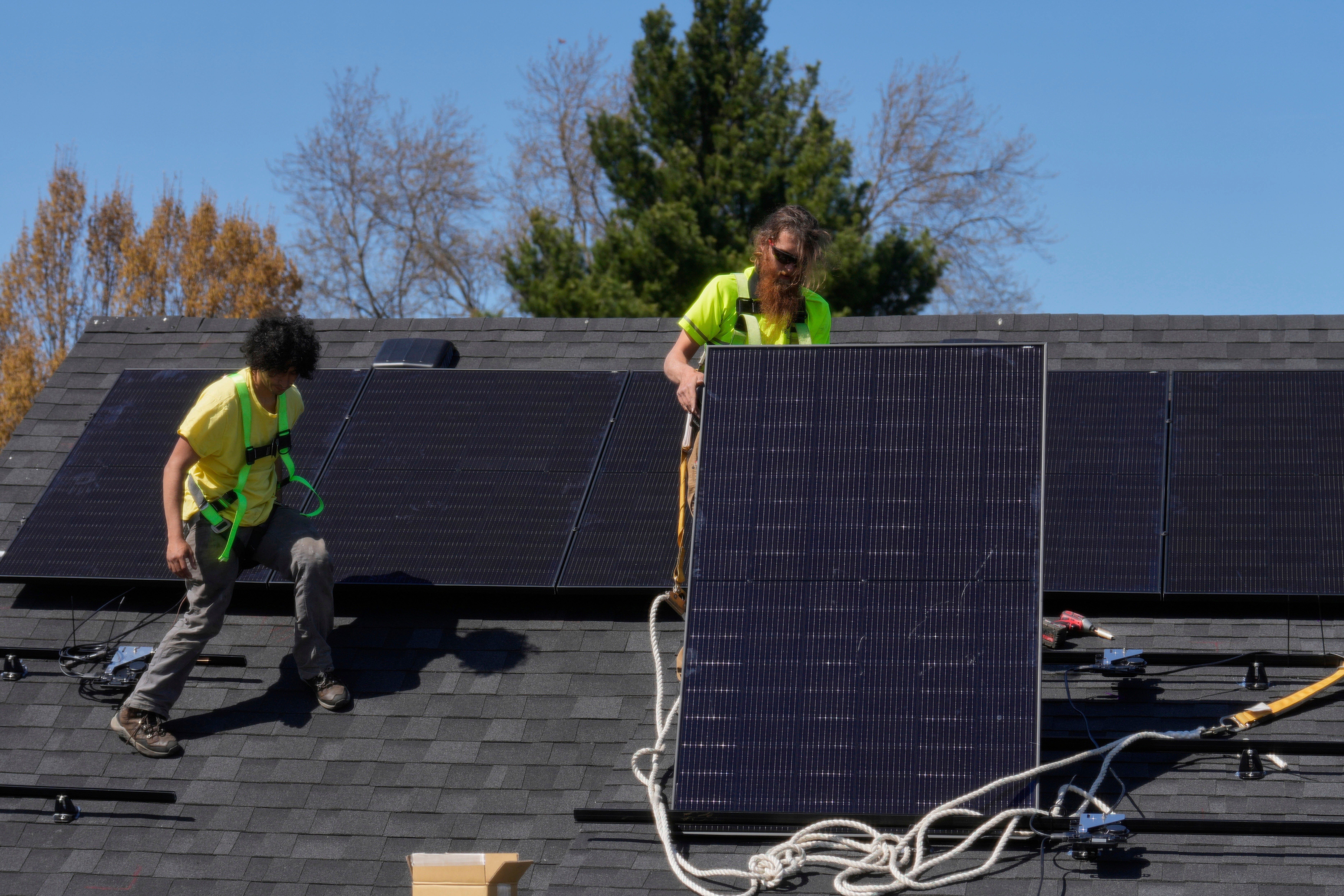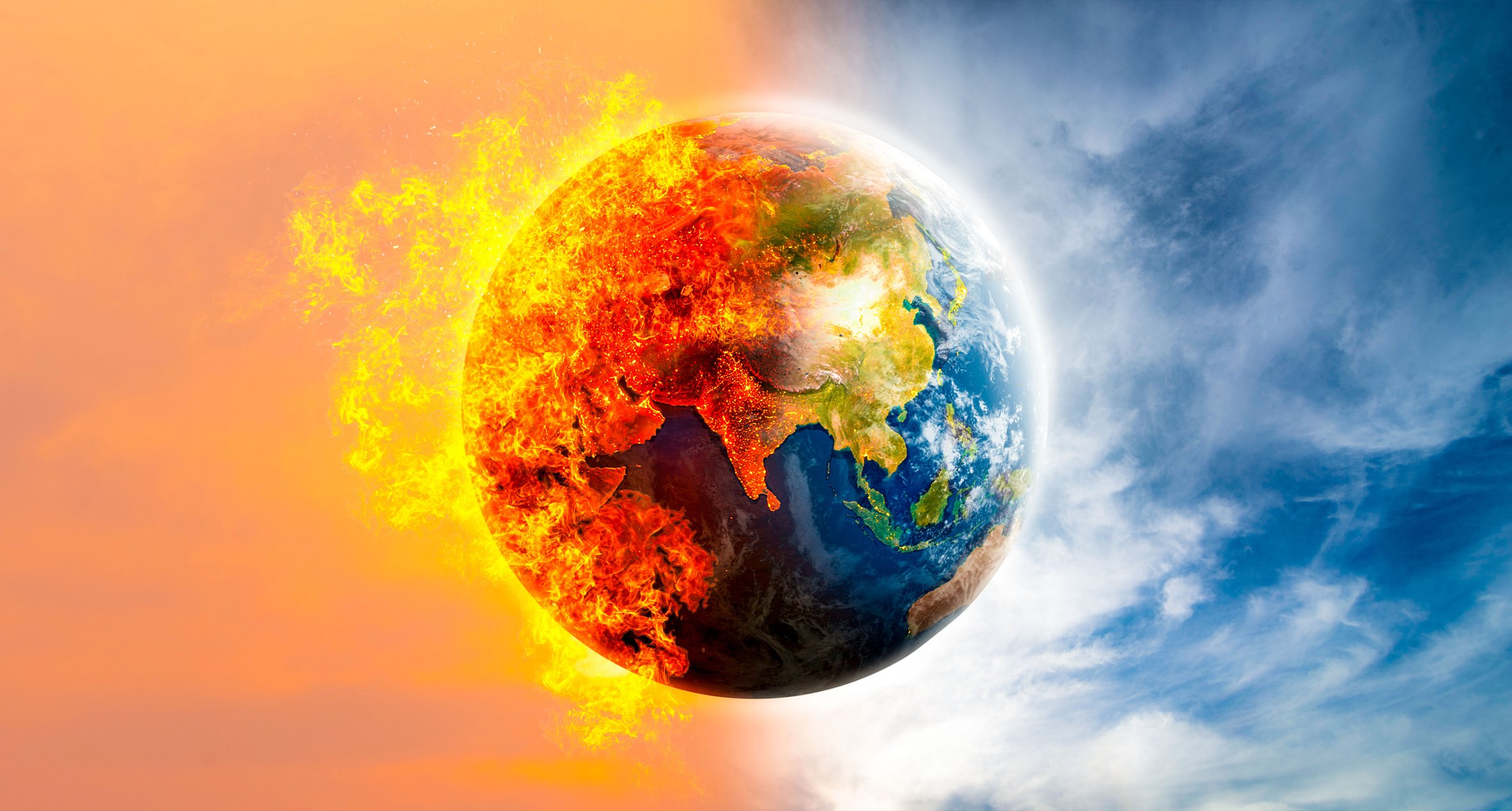
In 2011, a London-based think tank, E3G, urged the Pentagon to shift from planning for the most likely climate outcomes to preparing for the worst-case scenarios. That advice was taken seriously at the time, but the world has largely failed to act. Now, with the Trump administration doubling down on fossil fuel subsidies and blocking clean energy growth, the worst case is becoming far more severe.
Governments, corporations, and financial markets have not confronted the existential threats climate change poses to social and economic security. Instead, the fossil fuel industry has captured policy in most nations. By 2030, global subsidies for coal, oil, and gas are expected to exceed $8 trillion—a perverse approach that essentially pays drug dealers to lower prices while addiction deepens.
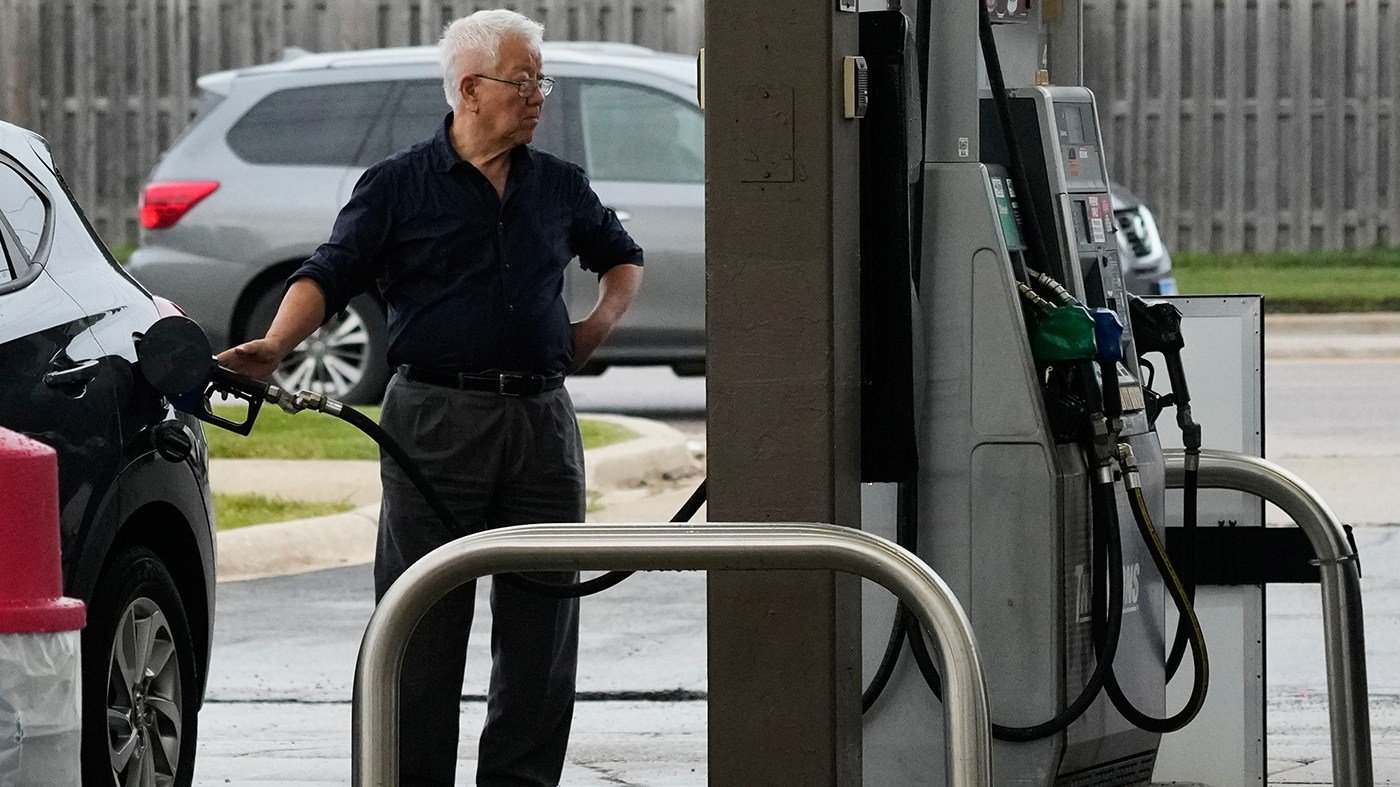
Under President Trump, the United States has become the poster child for this regressive practice. Trump has aggressively boosted the oil industry while suppressing renewable energy. During his 2024 campaign, he was recorded telling oil executives he would give them “the keys to the kingdom” in exchange for campaign donations. Since taking office, he has traded America’s energy security for industry contributions to his inauguration and even the construction of his White House ballroom. Trump dismisses the mounting evidence that global warming is already undermining the government’s ability to anticipate and mitigate risks, and he is working to dismantle state-level climate policies as well.
The result: the worst-case scenario today is considerably worse than it was in 2011, and it will keep deteriorating unless action is taken. The Paris Agreement’s goal of limiting warming to 1.5 degrees Celsius is now widely seen as unattainable. Current national pledges put the world on track for 2.8 degrees of warming, and some models project 4 degrees—a rise that would bring over six feet of sea-level rise, rendering entire regions uninhabitable.
The United Nations Environment Program warns that Trump’s inaction alone will add an additional 0.1 degree of warming. While that might sound trivial, the UN stresses that “every 0.1°C exacerbates drought, heatwaves, and flood intensity,” and that even small fractions are critical for tipping points and irreversible damage. A new study in Nature echoes what E3G advised 15 years ago: effective policy must account for worst-case scenarios, not just average projections.
The warning signs are unmistakable. Global emissions hit a record high last year. Atmospheric CO₂ levels are approaching 430 parts per million—far above the safe threshold of 350 ppm—and are higher than at any point in the last 2 million years. The last 11 years have been the hottest on record, and global warming is accelerating nearly twice as fast as it did in 2015.
Despite this, the world’s response has been to hope for adaptation and technological fixes, such as geoengineering sunlight or oceans, rather than changing energy habits. The Pentagon initially took climate risks more seriously after the 2011 briefing, but when Trump took office in 2017, climate change disappeared from U.S. national security strategy. As federal courts push back on some Trump administration actions, the administration continues to ignore the security implications of a warming planet.
Americans may disagree on many issues, but tens of millions share a belief: this is a terrible time to have climate deniers in government. The International Court of Justice ruled last year that countries have a legal obligation under international law to prevent greenhouse gas emissions from causing significant harm—effectively declaring the alliance between governments and big oil potentially illegal.
Gallup reports that 44 percent of Americans—the highest level in nearly 40 years—worry a great deal about climate change. There are many reasons to revolt against the federal government’s regressive policies today. The enormous threat to the quality of our lives, and our children’s, is certainly one.