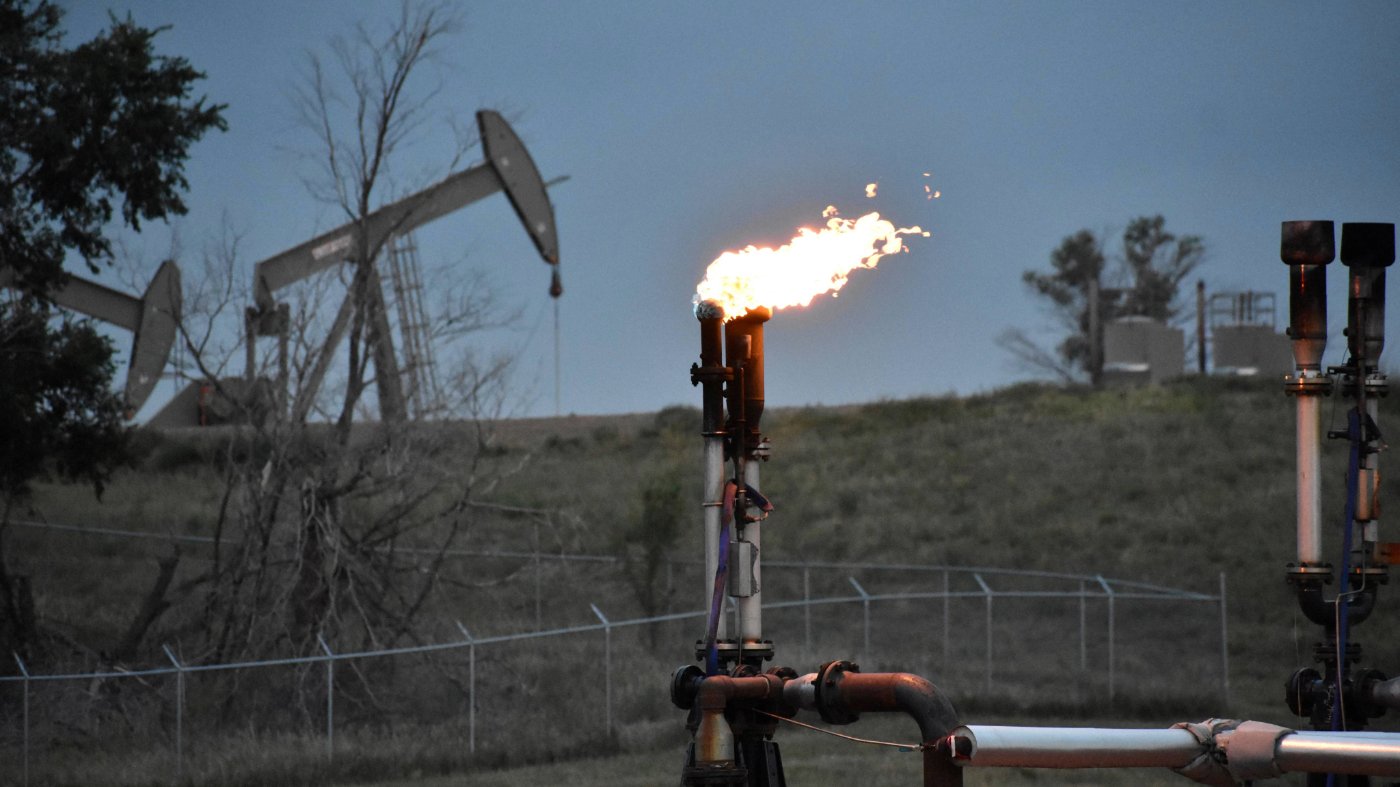
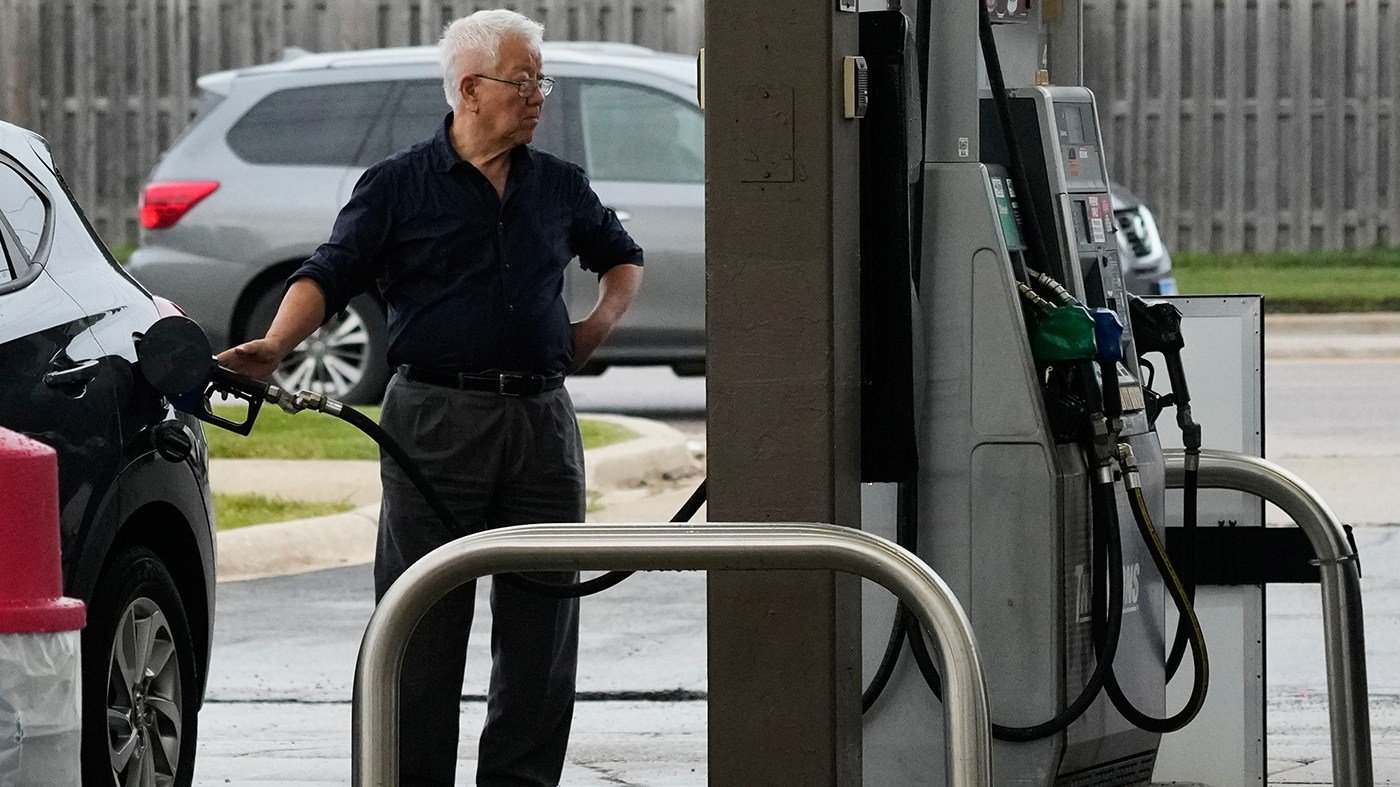
The phrase “drill baby drill” first entered the political lexicon at the 2008 Republican National Convention, when GOPAC Chairman Michael Steele used it ahead of Sarah Palin’s speech. It quickly became a GOP rallying cry, embraced by oil executives and lobbyists who saw a simple slogan that promoted their interests. Today, with gasoline prices topping $4 a gallon, a confused voter recently asked on national news: “What ever happened to drill baby drill?”
That question reflects a fundamental misunderstanding of how oil markets work. The United States has been the world’s leading oil producer since 2018, pumping more than Russia or Saudi Arabia. Under the Biden administration, domestic oil production actually hit all-time highs. Yet American drivers still pay more at the pump when conflict in the Middle East—such as the ongoing war with Iran—disrupts shipments through the Strait of Hormuz.
Oil is a globally traded commodity. Its price is set by worldwide supply and demand, not by how much the U.S. produces. As Washington’s Iran strategy has backfired, filling Russia’s war chest, the limits of domestic drilling become clear. The “drill baby drill” approach was never a magic bullet—it could not insulate Americans from price spikes caused by events half a world away. Those who sold it as such, the article argues, misled the public on behalf of the oil industry.
Geology adds another layer. Much of U.S. oil is shale, which is deeper and costlier to extract than the easy oil in Saudi Arabia. If global prices fall below $50 a barrel, domestic drilling becomes unprofitable. So the industry has a built-in incentive to keep prices high enough to sustain its operations—no matter how much the U.S. produces.
So what would actually deliver stable, affordable gasoline and real energy security? The answer, according to David Jenkins of Conservatives for Responsible Stewardship, is a shift toward electric vehicles (EVs) and a diversified power grid. “There is a reason the oil industry has poured countless millions into efforts to sour the public and politicians on EVs,” Jenkins writes. “It views electric cars and trucks as an existential threat to the industry’s $2.7 trillion in annual profits.”
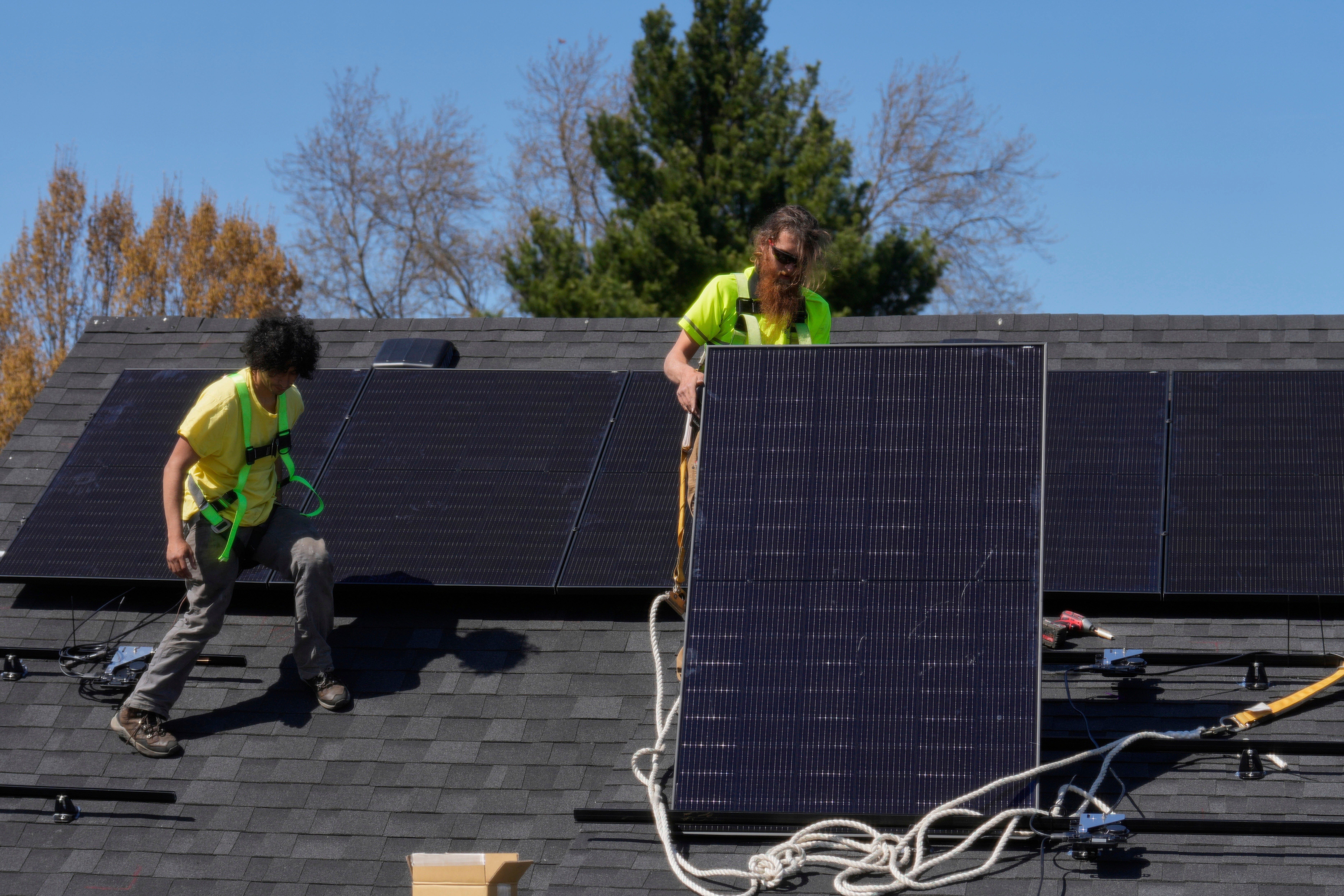
Oil companies have funded academic studies and op-eds attacking EVs, giving them an aura of scholarly legitimacy. Yet the only Americans untouched by today’s high gasoline prices are those driving EVs. Those drivers remain vulnerable to natural gas price spikes, since natural gas fuels about 43% of U.S. electricity. But that risk can be managed by expanding domestic solar, wind, geothermal, and nuclear power—sources that already produce cheaper electricity than natural gas.
The current administration’s hostility toward EVs and non-fossil energy, Jenkins argues, is anything but conservative. It locks the nation into a more expensive and uncertain energy future. “American innovation and new technology can win, but only if we let it,” he concludes.
As Trump’s Iran strategy shows no exit in sight and costs mount, the debate over energy policy grows more urgent. The “drill baby drill” myth persists, but the data—and the economics—tell a different story.