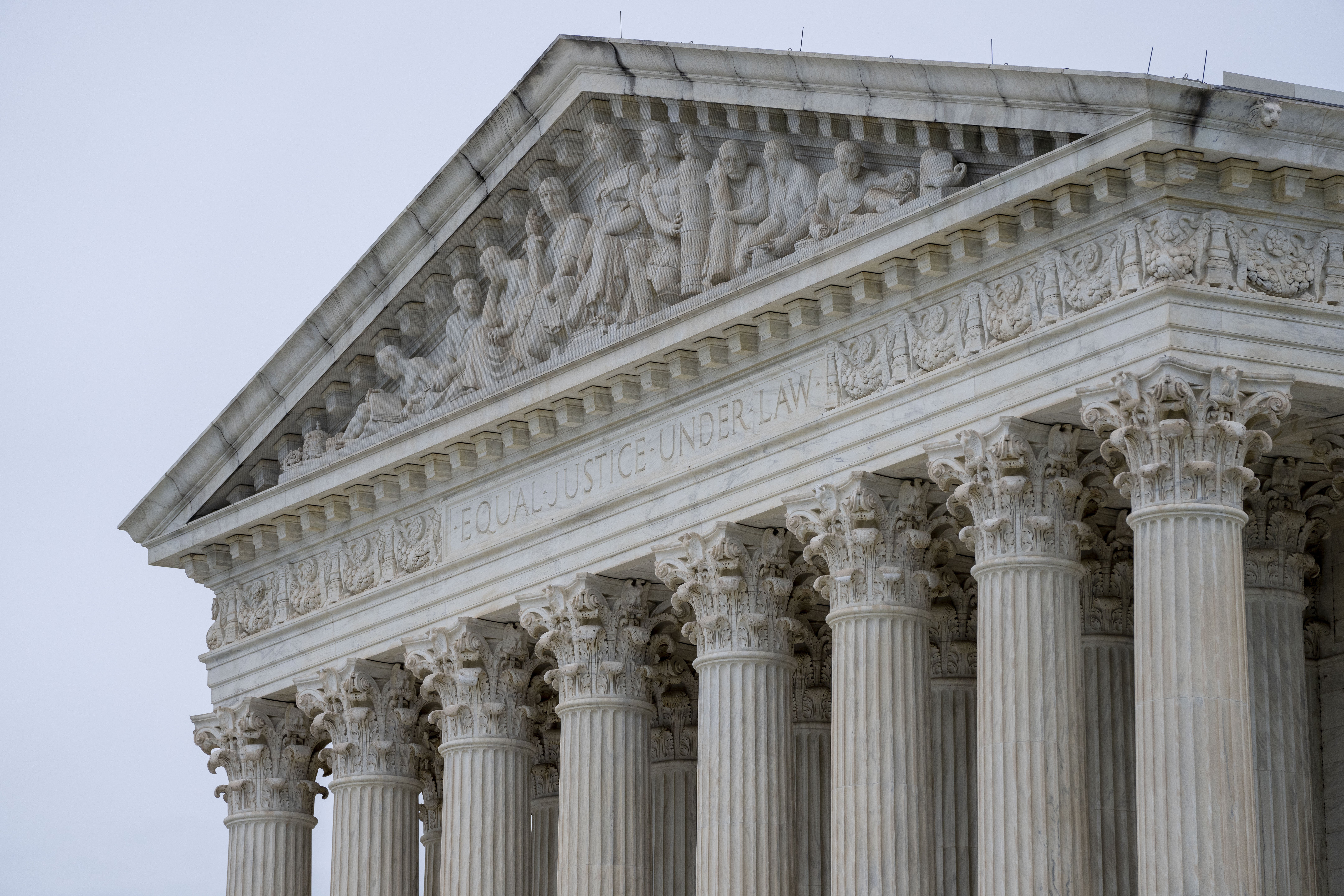
In a landmark First Amendment ruling, the Supreme Court unanimously decided last week that state officials who target ideological opponents with demands for private donor information can be sued in federal court. The case, brought by Alliance Defending Freedom on behalf of First Choice Women's Resource Centers, struck down New Jersey's attempt to force disclosure of donor identities without any evidence of misconduct.
Former New Jersey Attorney General Matthew Platkin had issued a sweeping subpoena against First Choice, a network of five faith-based pregnancy centers, demanding the names, phone numbers, addresses, and employers of donors, along with a decade of internal documents. The state offered no proof of wrongdoing, but the subpoena was part of a broader campaign to shut down the centers, which do not provide abortions but offer free parenting classes, ultrasounds, baby clothes, and food.
The Supreme Court, in an opinion by Justice Neil Gorsuch, held that the subpoena violated the First Amendment by burdening First Choice's associational rights. "By restricting how First Choice may interact privately with its donors, the attorney general's subpoena burdened First Choice's associational rights," Gorsuch wrote. The ruling allows First Choice to seek a federal court order halting enforcement of the subpoena.
This decision has far-reaching implications beyond pregnancy centers. Groups across the ideological spectrum—including tech giants, oil and gas companies, gun manufacturers, media organizations, and immigrant advocacy groups—have faced similar invasive demands from state officials. The court's unanimous stance reinforces that the First Amendment protects the right to anonymous association, a principle the court had previously affirmed in a 2021 case against California's attorney general.
Alliance Defending Freedom has been active defending pro-life pregnancy centers from state overreach in Washington, Vermont, California, and New York. In some cases, officials seek donor data; in others, they try to criminalize informing women about the possibility of reversing a chemical abortion. In all instances, the government is violating nonprofits' constitutionally protected freedoms of speech, association, and religious exercise.
In New Jersey, Platkin's tactics were particularly aggressive. He created a pro-abortion "Strike Force" and openly coordinated with Planned Parenthood to issue a "consumer alert" against First Choice. The attorney general's goal was clear: shut down a nonprofit simply because it does not provide abortions. First Choice offers life-affirming services entirely free of charge, including parenting classes and baby supplies, yet Platkin sought to frustrate its work rather than support efforts to make parenting more affordable.
The ruling serves as a warning to state officials who would use their power to harass ideological opponents. As the court recognized, the Constitution protects donors from having their private information turned over to government officials who might use it against them. The case now returns to federal court, where First Choice will argue for a permanent injunction against the subpoena.
Erik Baptist, senior counsel and director of the Center for Life with Alliance Defending Freedom, represented First Choice. He noted that the decision is a victory for all nonprofits that face hostile state actors. "Everyone deserves to support causes they love without having their private information turned over to government officials who may use it against them," Baptist said.