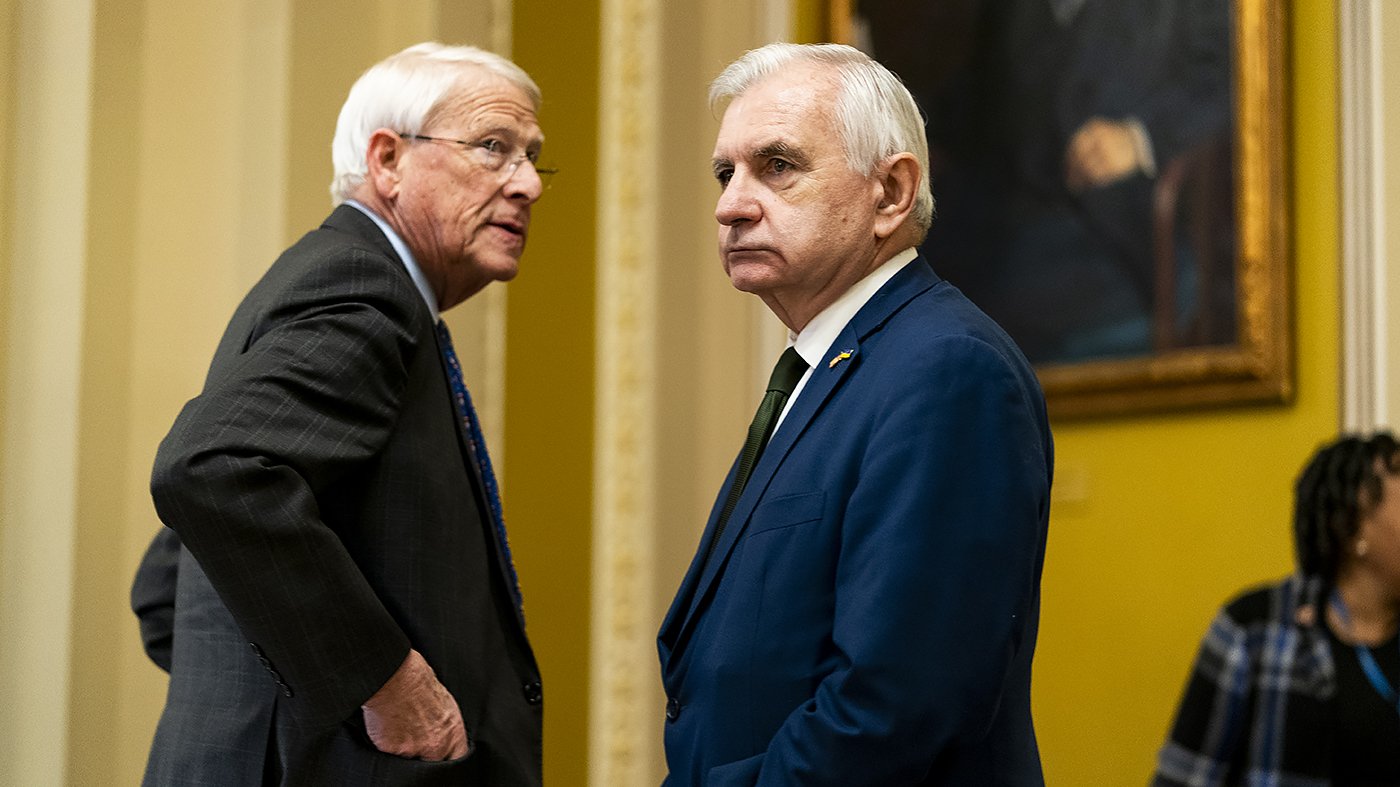
Sen. Jack Reed (D-R.I.), the top Democrat on the Senate Armed Services Committee, forcefully rejected the Trump administration's assertion that a ceasefire with Iran pauses the 60-day clock under the War Powers Act, accusing the president of flouting the law.
"The language of the statutes does not provide for timeouts like in a football game. From the day you begin—60 days—the president has to comply with the law," Reed told ABC News's Martha Raddatz on "This Week." "There can be a 90, 30-day extension to 90 days, but that has to be requested by the president."

Reed emphasized that the administration has not notified Congress of any such extension, saying, "No such notification's come through. The president's ignoring the law. He does that constantly. This is not the first example, where he just completely ignores the law."
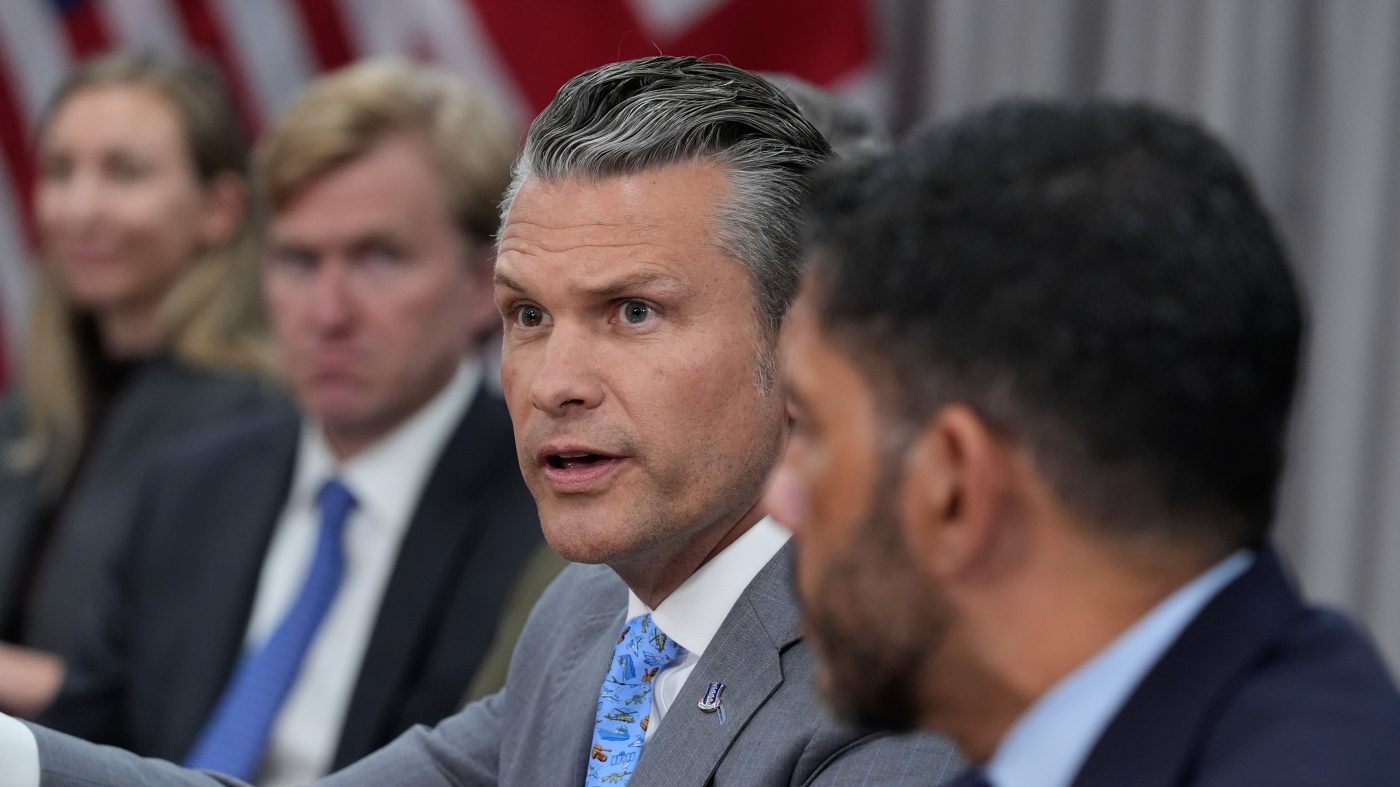
The dispute centers on the War Powers Act, which requires the president to begin withdrawing U.S. forces from hostilities after 60 days unless Congress authorizes the action. President Trump notified Congress of operations against Iran on March 2, making Friday the 60-day deadline. But Defense Secretary Pete Hegseth told the Armed Services Committee that the administration considers the clock paused during a ceasefire that began in early April.
"We are in a ceasefire right now, which our understanding means the 60-day clock pauses or stops in a ceasefire," Hegseth said during a hearing.
Trump himself questioned the constitutionality of the War Powers Act on Friday, telling reporters, "It's never been sought before, there's been numerous, many, many times and nobody's ever gotten it before, they consider it totally unconstitutional."
Reed contrasted Trump's approach with that of former President George W. Bush, who sought congressional authorization for the Iraq War. "In contrast to President Trump, at least President Bush came before the United States Congress and asked for authority to conduct operations in Iraq," Reed said. "Now, I disagreed with that, I thought it was going to be a disastrous situation. But nevertheless, he provided Congress the opportunity to opine and decide, and gave him legitimacy that this president lacks."
The clash highlights a broader standoff between Trump and congressional Democrats over war powers. Reed's criticism echoes concerns from other Democrats who see the administration's interpretation as a dangerous precedent. The Hill has reached out to the White House for comment.