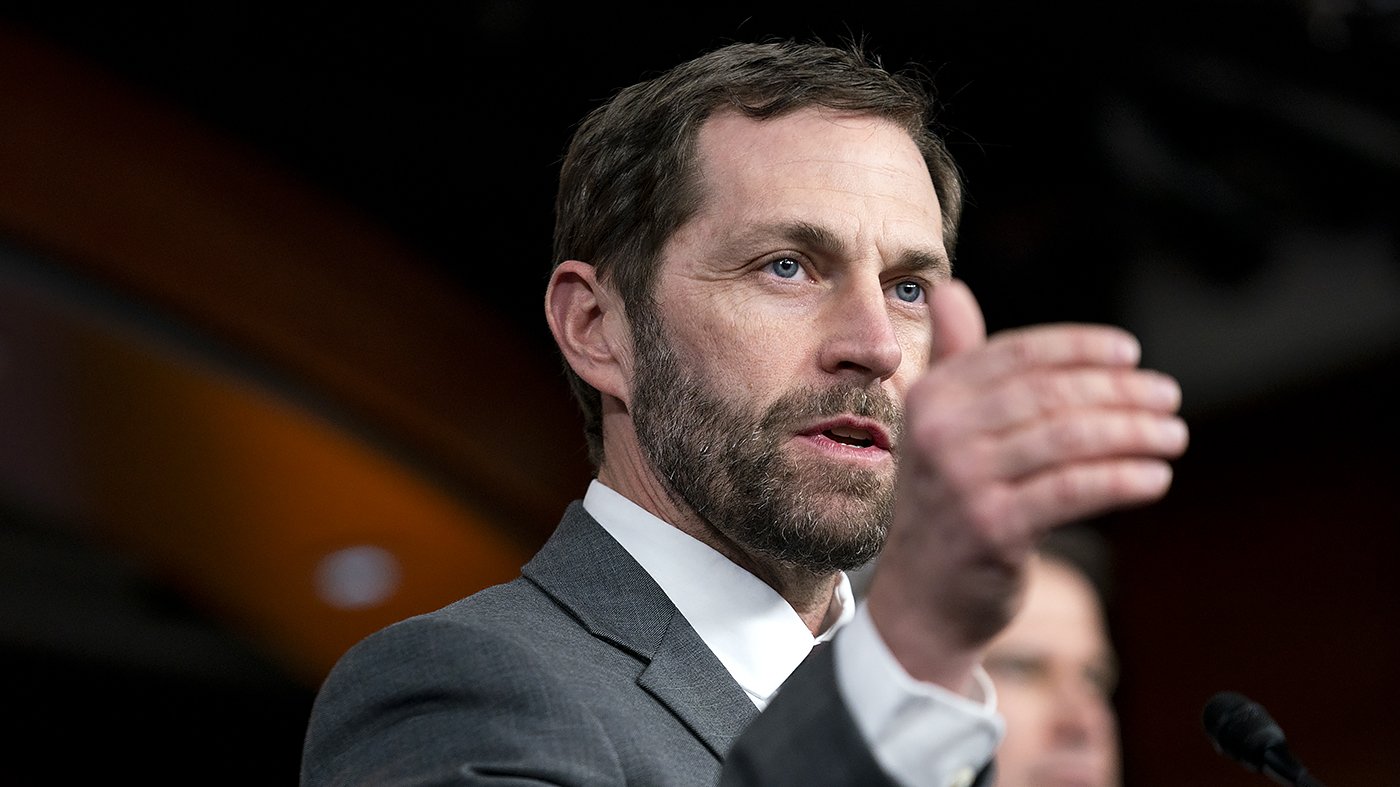
Rep. Jason Crow (D-Colo.) on Sunday condemned the Trump administration's decision to withdraw 5,000 U.S. troops from Germany, arguing the move was driven by presidential pique rather than strategic necessity. The Colorado Democrat, speaking on CBS News's Face the Nation, said the order appeared to be a retaliatory response to German Chancellor Friedrich Merz's recent comment that Washington was being “humiliated” by Iran over the Strait of Hormuz closure.
“It seems like this decision was made because Donald Trump got upset by something the German chancellor said,” Crow said. “He's getting emotional and angry, and he's making really consequential troop movements based on being upset by a foreign leader's remarks. That's no way to run a foreign policy.”
The troop reduction, first reported last week, escalates a public feud between Trump and Merz. The German chancellor's remarks about U.S. humiliation in the Strait of Hormuz drew sharp criticism from Trump, who then ordered the pullout. The move has alarmed lawmakers from both parties who see Germany as a linchpin of NATO's eastern flank.
Crow noted that Congress had passed legislation—the Fiscal Year 2026 National Defense Authorization Act—signed by Trump himself, which sets a minimum of 76,000 U.S. troops in Europe. The law bars the Pentagon from reducing forces below that level for more than 45 days without a formal assessment and certification that the cut does not harm U.S. or NATO security interests.
“We passed these laws out of grave concern about rhetoric from this administration about drawing down in Europe,” Crow said. “That troop footprint is one of the most important we have—it secures Europe, protects our economy, and safeguards hundreds of thousands of American citizens living and working there. We're going to enforce the law.”
The congressman, a former Army Ranger, stressed that he is not categorically opposed to troop movements. “If we need to move brigades to respond to genuine national security threats, we should do that. That's the commander in chief's prerogative. But we have to ensure these moves are based on risk assessments, proper timelines, and the best interests of the United States—not personal grudges.”
Trump previously attempted to reduce the U.S. presence in Germany by 12,000 troops during his first term, a plan that was blocked by President Biden. The current 5,000-troop withdrawal has drawn bipartisan criticism, with GOP Armed Services Committee leaders also blasting the decision as strategically unwise. Crow's comments echo those concerns, adding that the move could expose troops to unnecessary risks if executed hastily.
As the Pentagon reviews the order, Crow said his committee will scrutinize whether the administration complies with the NDAA's troop-level requirements. “We're looking into it,” he said. “We'll make sure any movements are actually in our interests.”