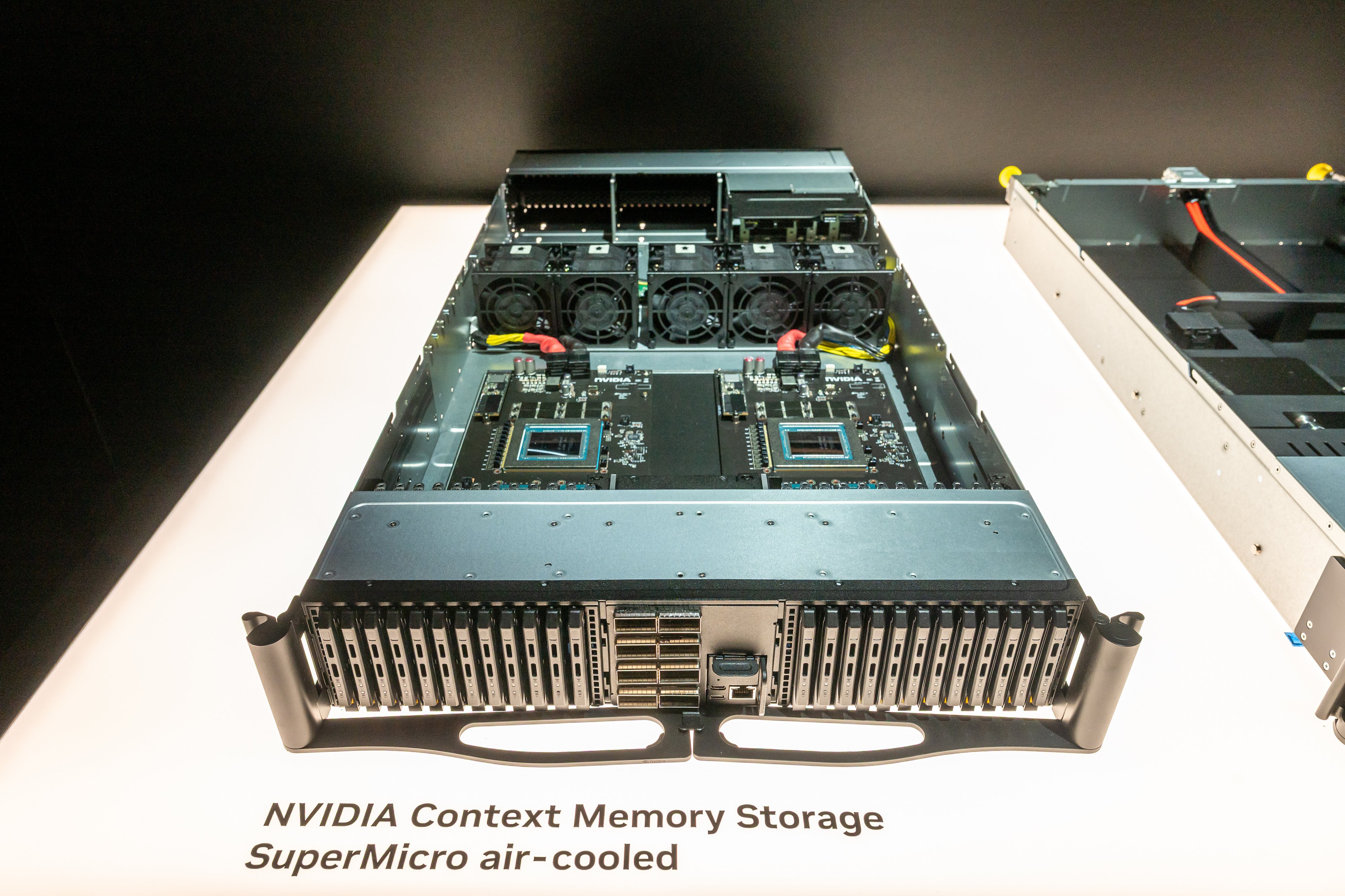
The Justice Department announced on March 19 the arrest of Supermicro co-founder Wally Liaw, charging him with orchestrating a scheme to smuggle an estimated $2.5 billion worth of restricted AI servers to China. While much of the media coverage has focused on the sheer scale of Liaw's alleged crimes, a more critical element of the scandal has received far less attention: how the operation actually worked and why it evaded U.S. export controls for nearly two years.
Key details buried in the Justice Department's press release reveal that the success of the scheme hinged on a Southeast Asian company whose identity remains unnamed. This firm coordinated with Supermicro conspirators to place orders and provide falsified documentation. Once the servers were received, they were forwarded to China, bypassing export restrictions with alarming ease. For almost two years, U.S. regulators were thrown off the trail, allowing the Supermicro team to execute increasingly audacious deals.
The question of why the smuggling wasn't caught sooner might prompt arguments that the scheme was too sophisticated for an overstretched export control system. But the frustrating reality is that this disaster stems not from a lack of resources, but from a failure of institutional memory. In 1998, the Senate Committee on Governmental Affairs investigated what became known as "Chinagate" — the campaign finance scandal surrounding the 1996 elections. That report concluded that China had used Southeast Asian companies as intermediaries to influence U.S. elections, with strong evidence that "the use of businesses and individuals as intermediaries [was] becoming increasingly common among Chinese intelligence and military organizations."
A central target of those investigations was the Lippo Group, an Indonesian conglomerate run by Mochtar Riady and his son James, implicated in funneling foreign money into U.S. politics. Though Lippo was Indonesian, the Senate report concluded that the Riadys "had a long-term relationship with a Chinese intelligence agency." In the decade prior, Lippo had established deep ties with Chinese state banks and China Resources, an entity identified by U.S. intelligence as a front for Chinese military and intelligence operations. The hearings revealed a clear strategic play: Beijing cultivated business moguls based outside its territory, specifically firms with commercial exposure inside China and financial links to state-linked entities. Lippo's Jakarta headquarters was precisely the point; its location outside China provided ideal cover.
The unnamed Asian company in the current indictment bears a stark resemblance to the one in the Chinagate scandal. Its identity remains officially unconfirmed, but Singapore-based computing firm Megaspeed is actively being investigated by the U.S. Commerce Department for the same crime. Like Lippo Group, Megaspeed is incorporated outside China and owned by Singapore citizens, giving it a corporate structure that, on paper, places it beyond Beijing's reach. Yet reports indicate Megaspeed is an offshoot of 7Road International, a Chinese gaming company backed by state-connected investors. Senator Tom Cotton has even called Megaspeed a "Chinese government spin-off." The company's rapid rise to become the largest Southeast Asian buyer of Nvidia chips raises the same questions that ultimately ensnared the Riadys: Who is really behind this firm, and whose interests does it serve?
The parallels with Chinagate are undeniable. As the House Super PACs unleash $425 million ad blitz for midterm control, the lessons of past scandals remain critical. The markers of a Chinese intermediary were identified nearly 30 years ago. Today's export control authorities don't need a new screening strategy — they simply need to dust off the autopsy reports they already have.
It is easy to point out errors in judgment after a disaster, and U.S. export control authorities deserve support for their efforts to protect national security. But it is essential to take the right lessons from the Supermicro scandal amid the shaming of the guilty, and remember the hard-earned lessons of the past. With the anonymous company the Justice Department refers to, China is showing us, again, that its pawns are scattered beyond its borders, and that its financial tentacles have a real and devastating influence.